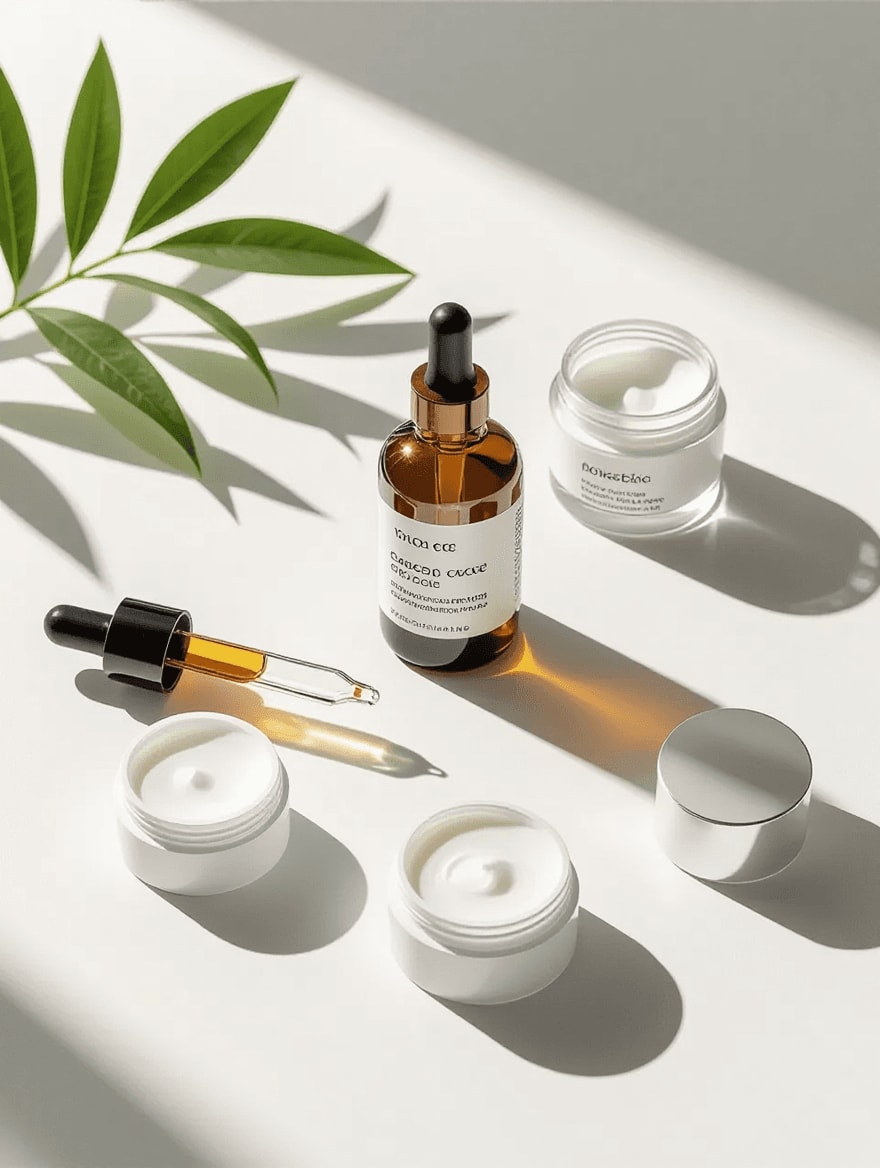
Why Oily Skin Needs Different Anti-Aging Strategies
The biggest misconception about the best anti-aging products for oily skin is that you need to choose between treating aging or controlling oil. The reality? Your 30s present a unique advantage—excess sebum production that everyone complains about actually provides natural protection against oxidative stress and moisture loss. The challenge isn't your oil production; it's finding active ingredients in delivery systems that won't trigger congestion while still penetrating effectively.
What dermatological research reveals: oily skin types show visible aging signs approximately 5-7 years later than dry skin types, but when lines do appear, they're often deeper due to years of skipping moisturizer. Your sebaceous glands produce natural emollients that maintain barrier function, but this doesn't exempt you from targeted intervention. The best anti-wrinkle for 30s approach for oily skin focuses on prevention through exfoliation and antioxidant protection rather than heavy hydration.
The critical distinction that most product recommendations miss: oily skin needs hydration (water) but not additional oils (lipids). This means hyaluronic acid and glycerin become your primary anti-aging vehicles, while common anti-aging ingredients like rich ceramide creams and facial oils actually work against your skin's natural balance. For comprehensive strategies on managing oil production during hormonal transitions, explore our guide to skincare for oily menopausal skin.
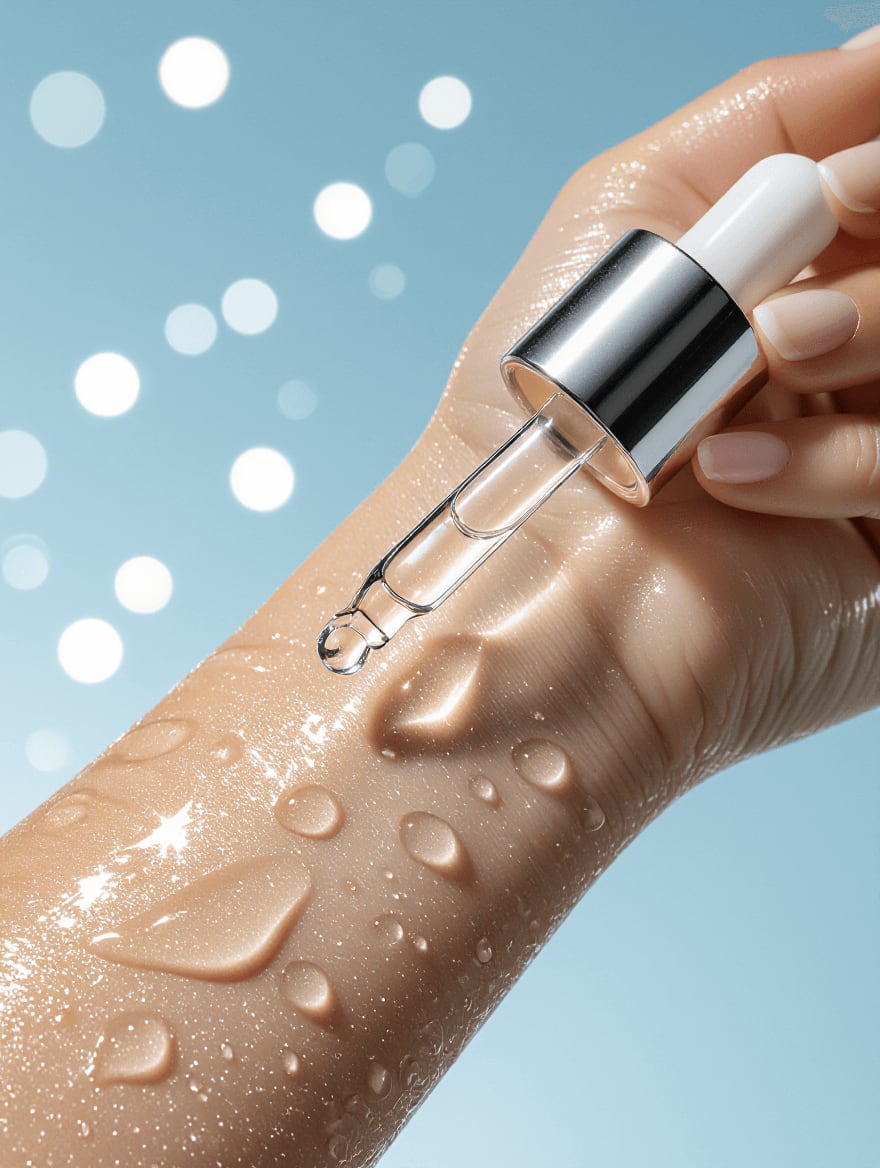
Common Myths Derailing Your Anti-Aging Routine
Myth 1: Oily Skin Should Skip Retinoids to Avoid Irritation
The truth contradicts popular advice: oily skin actually tolerates retinoids better than dry skin because excess sebum buffers irritation. Your natural oil production creates a protective layer that moderates retinoid penetration, reducing the flaking and sensitivity that dry-skinned users experience. The mistake isn't using retinoids—it's choosing cream-based formulations when gel or serum versions work better. Start with 0.25% retinol in a gel base three times weekly, increasing as tolerated.
Myth 2: You Need Rich Creams to Fight Aging
What beginners misunderstand about the best skin care routine for oily aging skin is that anti-aging benefits come from active ingredients, not texture. A lightweight gel moisturizer with niacinamide and peptides delivers identical collagen-stimulation benefits as a heavy cream, but without clogging pores or triggering compensatory oil production. The trade-off? Gel formulas feel less luxurious and don't provide the immediate plumping effect of occlusive creams, even though long-term results are equivalent.
Myth 3: Chemical Exfoliants Make Oily Skin Worse
Here's the misconception that costs you years of prevention: people confuse temporary purging with worsening oily skin. Chemical exfoliants like salicylic acid and glycolic acid initially bring congestion to the surface, creating the appearance of new breakouts. But after 2-3 weeks, they clear both existing blockages and prevent new ones while improving cell turnover for anti-aging benefits. The evidence shows that consistent exfoliation (2-3 times weekly) is actually the most effective anti-aging strategy for oily skin, outperforming moisturizers in clinical studies.
The Optimal Anti-Aging Routine for Oily Skin in Your 30s
What experienced practitioners do differently starts with understanding ingredient synergy. The most effective routine combines three mechanisms: exfoliation to prevent pore congestion, antioxidants to neutralize free radicals, and targeted actives to stimulate collagen. These work in sequence, not competition—morning antioxidants protect against daily damage while nighttime retinoids trigger repair processes during skin's natural regeneration cycle.
Your morning routine should prioritize protection without adding oil:
- Vitamin C serum (L-ascorbic acid 10-15%): Neutralizes UV-induced free radicals and brightens post-inflammatory hyperpigmentation from previous breakouts. Apply to clean, dry skin and wait 2-3 minutes before next step. Learn more about vitamin C results and application techniques.
- Lightweight gel moisturizer with niacinamide: Regulates sebum production while strengthening skin barrier. Niacinamide also reduces inflammation that accelerates collagen breakdown.
- Mineral sunscreen SPF 30-50: Zinc oxide and titanium dioxide provide UV protection without the comedogenic potential of chemical filters. This single step prevents 90% of visible aging.
Evening routines focus on active intervention. Double cleanse with oil-based cleanser followed by gel cleanser to remove sunscreen without stripping skin. Apply either salicylic acid toner (2-3 times weekly) or retinoid serum (alternate nights). Finish with hyaluronic acid serum layered under a featherlight moisturizer. The key insight: multiple thin layers of water-based products deliver more hydration than one thick cream, without congestion.
When Standard Anti-Aging Advice Fails for Oily Skin
Here's the edge case that derails typical recommendations: some women experience hormonal oil fluctuations where skin is oily in summer but normal-to-dry in winter, or oily during certain menstrual cycle phases. The standard year-round oily skin routine causes dehydration during dry phases, while switching to richer products during those times triggers breakouts that persist for weeks. The solution requires flexible layering—maintain the same lightweight actives (vitamin C, retinoid) year-round, but adjust only the final moisturizer layer based on current needs. Use gel moisturizer as your baseline, adding a thin layer of squalane oil only on exceptionally dry days. This preserves treatment efficacy while accommodating fluctuations. The limitation? It requires daily assessment rather than autopilot routine, and most people prefer consistency over optimization.