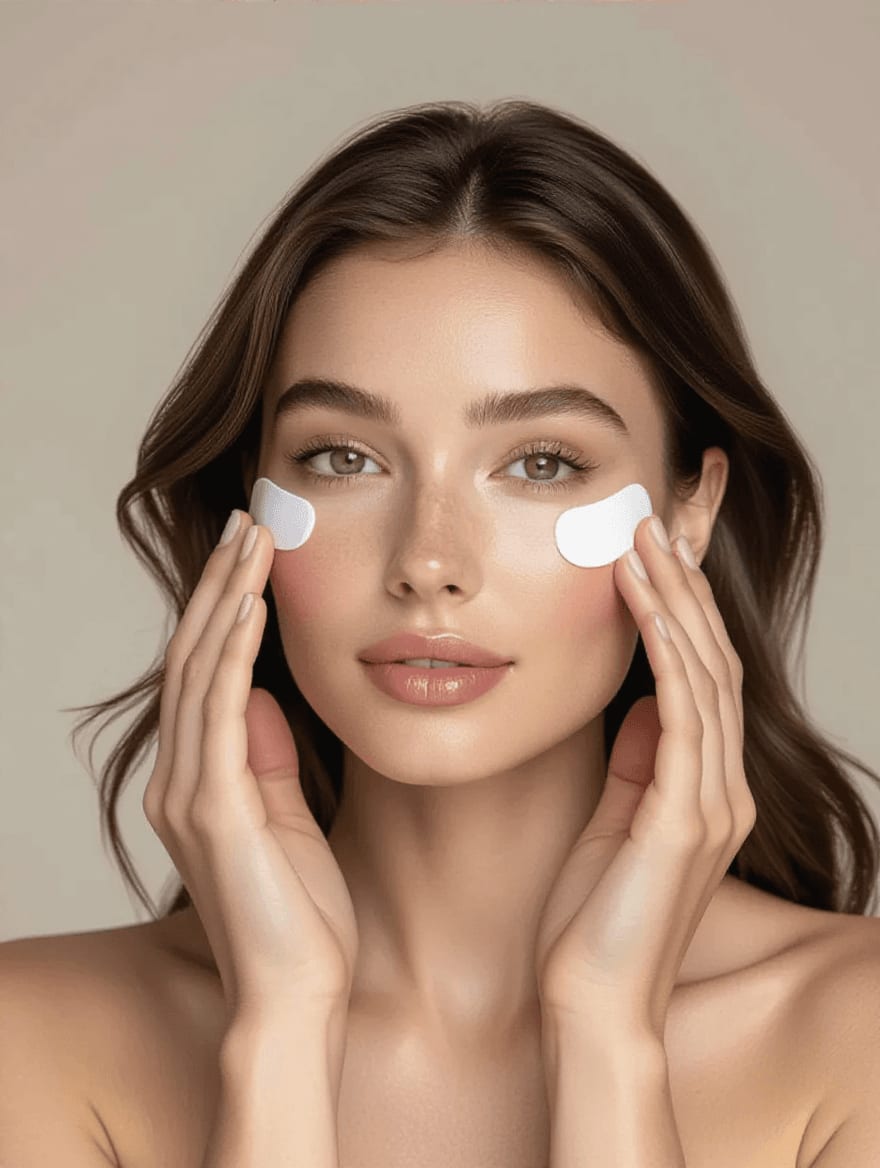
Why Regular Concealer Triggers Reactions on Sensitive Skin
The best concealer for sensitive eyes must navigate a minefield of common cosmetic ingredients that trigger reactions in the delicate eye area. The skin around your eyes is ten times thinner than facial skin elsewhere, with a compromised barrier that allows irritants to penetrate more easily and cause inflammation, redness, or allergic contact dermatitis. Standard concealers contain fragrances for consumer appeal, preservatives to extend shelf life, and emulsifiers to create smooth texture—all potential allergens that sensitive eyes cannot tolerate. Additionally, many concealers use synthetic dyes and lakes for color matching that can migrate into tear ducts and cause stinging, watering, or swelling even when applied carefully to avoid direct eye contact.
Here's what dermatologists understand about concealer for sensitive skin that cosmetic marketing obscures: the term hypoallergenic has no regulated definition and can be applied to products containing known irritants. A concealer labeled hypoallergenic might simply mean the manufacturer believes it's less likely to cause reactions than their other products, not that it's been tested on sensitive individuals or formulated to specific safety standards. True sensitivity-friendly concealers require ophthalmologist testing for eye-area products, elimination of the most common allergens including fragrance and certain preservatives, and formulation with mineral-based pigments rather than synthetic dyes that frequently cause reactions.
The critical factor most advice overlooks: sensitivity can develop suddenly even to products you've used successfully for years. Hormonal changes, particularly during perimenopause and menopause, increase skin reactivity as declining estrogen compromises barrier function and inflammatory response regulation. The concealer that worked beautifully at 35 might cause redness, itching, or contact dermatitis at 50 not because the formula changed but because your immune system and barrier integrity fundamentally shifted. Best hypoallergenic concealer selection requires understanding your specific sensitivity triggers rather than assuming all natural or clean products will automatically work for you.
The Most Common Concealer Allergens to Avoid
Fragrance—whether synthetic or natural essential oils—represents the number one cause of cosmetic allergic reactions, yet it appears in the majority of concealers under various names including parfum, fragrance, and even unlisted as part of proprietary blends. Even products marketed as unscented may contain masking fragrances to hide the natural smell of ingredients. For genuinely best eye concealer for sensitive eyes, fragrance-free must mean absolutely zero fragrance compounds, confirmed by checking that neither fragrance nor parfum appear anywhere in the ingredient list.
Preservatives protect against microbial contamination but certain types frequently trigger sensitivity. Parabens, formaldehyde-releasing preservatives like quaternium-15 and DMDM hydantoin, and methylisothiazolinone commonly cause delayed hypersensitivity reactions—redness and irritation that appear hours after application rather than immediately, making the connection to your concealer less obvious. Hypoallergenic under eye concealer formulas use gentler preservation systems like phenoxyethanol, potassium sorbate, or natural alternatives like radish root ferment, though these have shorter shelf lives requiring more frequent replacement to maintain product safety.

Which Concealer Formulas Work for Sensitive Skin Types
The best clean under eye concealer for sensitive individuals prioritizes mineral-based pigments over synthetic dyes and uses simple formulations with minimal ingredients. Iron oxides and titanium dioxide—the minerals that create concealer color—rarely trigger reactions because they're inert compounds that don't penetrate skin or interact with immune systems. Clean concealers built on these mineral pigments suspended in gentle carrier bases like squalane, jojoba oil, or caprylic/capric triglyceride provide coverage without the complex chemical cocktails that cause sensitivity in conventional formulas. Shorter ingredient lists generally indicate lower reaction risk, though length alone doesn't guarantee safety if the few ingredients include known allergens.
For best under eye concealer for dry skin that's also sensitive, you need formulas balancing hydration with gentleness—a combination that eliminates most conventional options formulated for normal skin. Look for concealers containing ceramides, which strengthen barrier function while moisturizing, or hyaluronic acid, which hydrates without occlusive ingredients that can trap irritants against skin. Avoid concealers with heavy silicones like dimethicone in high concentrations, as these can cause congestion and sensitivity reactions in some individuals despite being technically inert. Natural oils like rosehip or marula provide gentler moisture delivery for dry, sensitive skin, though you must ensure they're free of fragrance or essential oil additions.
- Mineral-based concealers ophthalmologist-tested: Best for sensitive eyes; uses iron oxides without synthetic dyes or fragrance
- Concealers with ceramides or niacinamide: Ideal for sensitive skin with compromised barrier; strengthens while covering
- Fragrance-free formulas with minimal ingredients: Lower reaction risk from simpler formulations without complex chemical interactions
- Concealers free of parabens and formaldehyde-releasers: Use gentler preservation like phenoxyethanol or natural ferments
- Avoid: Concealers with essential oils or plant extracts: Natural doesn't mean non-irritating; these frequently trigger sensitivity despite clean marketing
Application technique becomes crucial for good concealer for sensitive skin because mechanical irritation from rubbing or pulling can trigger reactions even with gentle formulas. Use your ring finger—the weakest finger with the lightest touch—to press concealer into skin with gentle patting motions rather than rubbing or dragging. Replace concealer applicators frequently, cleaning them weekly with gentle cleanser to prevent bacterial buildup that can cause inflammation in sensitive individuals. Never apply concealer with dirty hands or reused applicators, as introducing bacteria to already-reactive skin compounds sensitivity issues and can create infections requiring medical treatment.
The shelf-life consideration for sensitive skin: natural preservative systems used in clean, hypoallergenic concealers typically maintain product safety for 6-8 months after opening rather than the 12-24 months conventional formulas provide. While this means more frequent replacement, it's a necessary trade-off for avoiding harsh preservatives that trigger reactions. Write the opening date on your concealer with permanent marker and discard after the recommended period even if product remains, as using expired concealer with depleted preservatives can introduce bacterial contamination that causes severe reactions in sensitive individuals.
For comprehensive guidance on clean, ethical makeup options that prioritize gentleness alongside performance, particularly during life stages when sensitivity increases, explore our cruelty-free and vegan makeup guide that addresses ethical beauty choices alongside sensitivity considerations.
When Hypoallergenic Concealer Advice Completely Fails
The universal recommendation to switch to natural or clean beauty concealers fails for individuals with specific plant allergies or sensitivities to botanical extracts. Many clean concealers replace synthetic ingredients with plant-derived alternatives—essential oils for fragrance, botanical extracts for preservation, seed oils for moisturization—that can be more allergenic than their synthetic counterparts for certain individuals. Chamomile, lavender, and tea tree oil, despite being natural, frequently cause contact dermatitis in sensitive people. The assumption that natural equals safe represents dangerous oversimplification that leaves sensitive individuals worse off than with carefully formulated synthetic products.
Another scenario where conventional wisdom backfires: patch testing concealers on your inner arm to check for reactions. The skin on your inner arm has different characteristics than periocular skin—it's thicker, less permeable, and less reactive. A concealer that passes arm patch testing may still trigger reactions around your eyes where skin is dramatically more sensitive and absorbent. Proper testing for concealer for sensitive eyes requires applying a small amount to the under-eye area itself for 48 hours, monitoring for delayed reactions that develop after initial application. This realistic testing accounts for the actual usage site's unique vulnerability.
The critical contradiction between dermatologist recommendations and beauty industry marketing: products claiming to be dermatologist-tested may have been evaluated by a single dermatologist on a handful of people without diverse skin types or sensitivity profiles. This minimal testing doesn't guarantee safety for your specific sensitivities. Ophthalmologist-tested claims for eye products carry more weight because they indicate specific evaluation for ocular safety, but even these don't guarantee individual tolerance. The gold standard is looking for products labeled non-comedogenic, fragrance-free, and ophthalmologist-tested while still conducting your own careful introduction with any new product.
What actually fails that nobody discusses: assuming sensitivity reactions happen immediately upon application. Many allergic responses to concealer are delayed hypersensitivity reactions that develop 24-72 hours after exposure, making it difficult to identify the culprit product. You might use a new concealer for several days thinking it's fine, then develop redness, itching, or swelling that you attribute to a different product introduced more recently. This delayed reaction pattern requires introducing only one new product at a time with at least a week between additions, allowing adequate time to identify specific triggers before compounding variables.
The hidden challenge with sensitive skin during hormonal transitions: declining estrogen increases skin sensitivity while simultaneously triggering pigmentation changes that make you feel you need more coverage, creating a frustrating catch-22. Perimenopause and menopause intensify reactivity to products you previously tolerated while worsening the dark circles and discoloration you're trying to conceal. This intersection requires acceptance that you may need to use less coverage and focus more on color correction and strategic highlighting rather than attempting full concealment that requires product amounts your newly sensitive skin cannot tolerate. The goal shifts from perfect coverage to adequate improvement that respects your skin's changing tolerance levels.
For understanding how concealer fits into your complete makeup approach during hormonal changes that increase sensitivity, including coordination with other products to minimize cumulative irritation, see our comprehensive makeup guide for menopausal skin changes that addresses how declining estrogen affects every aspect of product tolerance and performance.