
Why Tinted Moisturizer Becomes the Perfect Solution During Menopause
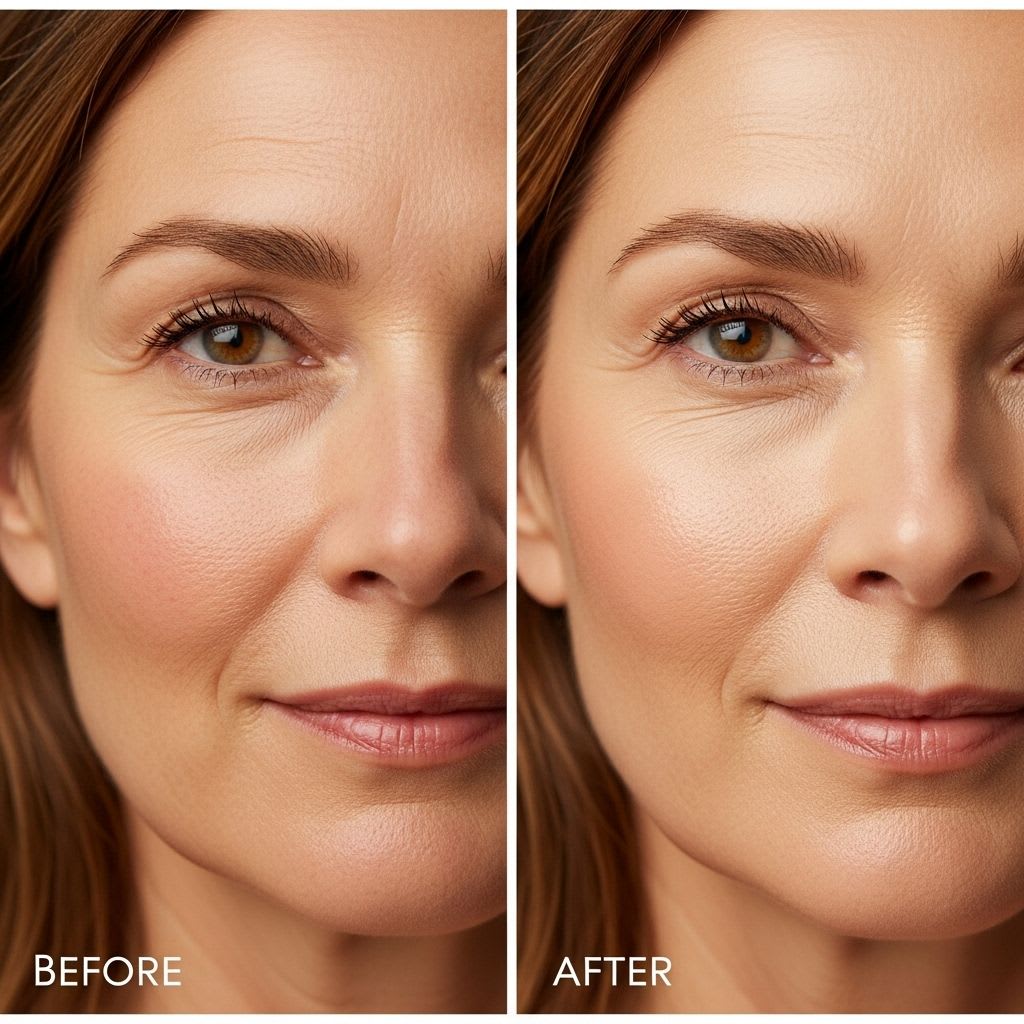
A cruelty-free tinted moisturizer represents the intersection of skincare and makeup that mature, hormonal skin desperately needs but traditional foundation can't provide. When estrogen decline reduces your skin's natural oil production by 60%, wearing conventional foundation becomes uncomfortable—it emphasizes every dry patch and settles into lines that weren't visible months ago. Tinted moisturizers solve this by prioritizing hydration delivery while providing just enough pigment to even tone and blur imperfections, creating the 'your skin but better' appearance that looks most natural on mature complexions.
The shift to ethical beauty products aligns perfectly with aging skin's increased sensitivity to irritants. Animal-derived ingredients commonly found in traditional makeup—carmine from crushed beetles, lanolin from sheep's wool, beeswax—can trigger inflammatory responses in skin experiencing hormonal reactivity. Plant-based tinted moisturizers using mineral pigments, vegetable-derived emollients, and synthetic alternatives to animal proteins provide the same coverage and hydration without the immunological response that sensitized mature skin often experiences with conventional formulas.
What dermatologists observe but beauty marketing rarely states: the best tinted moisturizer for mature skin contains legitimate skincare actives at therapeutic concentrations, not just token amounts for label appeal. Look for hyaluronic acid, niacinamide, or peptides in the first seven ingredients—these molecules can actually improve skin texture over time while providing coverage. Women over 50 who switch from traditional foundation to quality tinted moisturizer often report better skin condition after three months, as their complexion receives continuous treatment throughout the wear time rather than being suffocated under occlusive makeup.
The Coverage Misconception That Keeps Women Dissatisfied
The most damaging myth about tinted moisturizers is that they can't provide adequate coverage for mature skin concerns like age spots, redness, or uneven tone. This belief stems from comparing them to full-coverage foundation rather than understanding their different mechanism. Tinted moisturizers don't create opacity by laying pigment on top of skin—they work by diffusing light across imperfections through optical blurring particles while the sheer tint creates color correction. For hormonal hyperpigmentation or rosacea, this approach often looks more natural than heavy concealment because it softens rather than masks.
Women in perimenopause experiencing unpredictable combination skin benefit from cruelty-free tinted moisturizer formulas that adapt to varying moisture needs throughout your face. Quality hybrid products use intelligent polymers that absorb excess oil in the T-zone while delivering hydration to dry areas simultaneously—traditional foundation can't make these adjustments. Post-menopausal women with uniform dryness need formulas where shea butter, squalane, or ceramides appear in the first five ingredients, creating a moisture barrier that prevents transepidermal water loss throughout the day.
What Actually Distinguishes Quality Formulas for Aging Skin
The ingredient architecture of effective cruelty-free tinted moisturizer for mature skin requires a specific balance most drugstore options miss. The base should be water or aloe, followed immediately by humectants like glycerin or sodium hyaluronate, then emollients like jojoba oil or squalane, with mineral pigments appearing mid-list. If you see silicones or synthetic polymers before moisturizing ingredients, the formula prioritizes texture and finish over hydration delivery—acceptable for young skin but problematic for menopausal dryness.
The trade-off rarely discussed: truly hydrating tinted moisturizers have a learning curve for application and setting. Unlike powder-dry matte foundations that feel set immediately, moisture-rich formulas need 3-5 minutes to settle and may feel slightly tacky during that period. This temporary texture doesn't indicate poor quality—it signals the humectants are actively binding water to your skin. Rushing to apply powder or touching your face during this critical absorption window disrupts the hydration delivery and can create patchiness.
- Niacinamide: Strengthens skin barrier and reduces appearance of pores while evening tone—critical for menopausal skin losing structural integrity
- Squalane (plant-derived): Mimics skin's natural sebum to prevent moisture loss without heaviness or breakouts
- Zinc Oxide (non-nano): Provides sun protection and natural tint while calming inflammation from hot flashes or rosacea
- Avoid: Denatured Alcohol: Creates quick-dry finish but strips lipids that mature skin desperately needs to retain
Application technique determines whether tinted moisturizer looks professional or amateurish on mature skin. Never rub product into skin—this stretches delicate tissue and creates uneven coverage. Instead, dot small amounts on forehead, cheeks, nose, and chin, then use a damp beauty sponge to press and bounce the product into your skin. The bouncing motion deposits pigment evenly while the moisture from the sponge helps the formula meld with your natural texture. For areas needing more coverage like around the nose or on age spots, add a second thin layer rather than applying heavily in one pass.
When selecting your complete ethical beauty routine for mature skin, consider how products work together synergistically. Our guide to cruelty-free and vegan makeup for aging skin shows how to build a complete cosmetics wardrobe that maintains your values while addressing the specific challenges of hormonal skin changes.
When Standard Tinted Moisturizer Advice Actually Fails
The universal recommendation to use tinted moisturizer alone without primer fails for approximately 40% of women experiencing significant texture irregularities from hormone loss. If you have visible pores, uneven surface, or areas of flakiness, applying tinted moisturizer directly to bare skin emphasizes these issues rather than minimizing them. You need a smoothing primer underneath—but not the silicone-heavy versions marketed to younger demographics. Look for hydrating primers with blurring particles that fill texture without creating the slippery base that causes tinted moisturizer to slide off mature skin.
Another scenario where typical advice backfires: assuming cruelty-free tinted moisturizer with SPF eliminates the need for separate sunscreen. Even formulas advertising SPF 30 or higher don't provide adequate protection unless you apply 1/4 teaspoon to your face—far more than anyone uses for tinted moisturizer. During menopause, when declining estrogen increases UV sensitivity and hyperpigmentation risk, relying on makeup SPF is genuinely dangerous. Always layer dedicated broad-spectrum sunscreen underneath your tinted moisturizer for actual protection.
The contradiction between marketing claims and performance reality: products labeled as providing 'medium coverage' often deliver barely-there tint on mature skin with significant discoloration. The coverage level a formula provides depends heavily on your skin's contrast—if you have pronounced age spots, redness, or uneven tone, what appears as medium coverage on even-toned younger skin will look nearly invisible on yours. Test tinted moisturizers on your specific concerns, not your hand or jawline. If the shade seems perfect but coverage disappoints, you likely need actual foundation with the hydrating properties of tinted moisturizer, not the reverse.
For comprehensive guidance on adapting your entire makeup approach to hormonal changes, including how tinted moisturizer fits into your complete beauty routine alongside eye, lip, and cheek products, explore our complete makeup guide for menopausal skin that addresses every aspect of beauty during this transitional life stage.