
Why Powder Foundation Usually Fails on Menopausal Skin
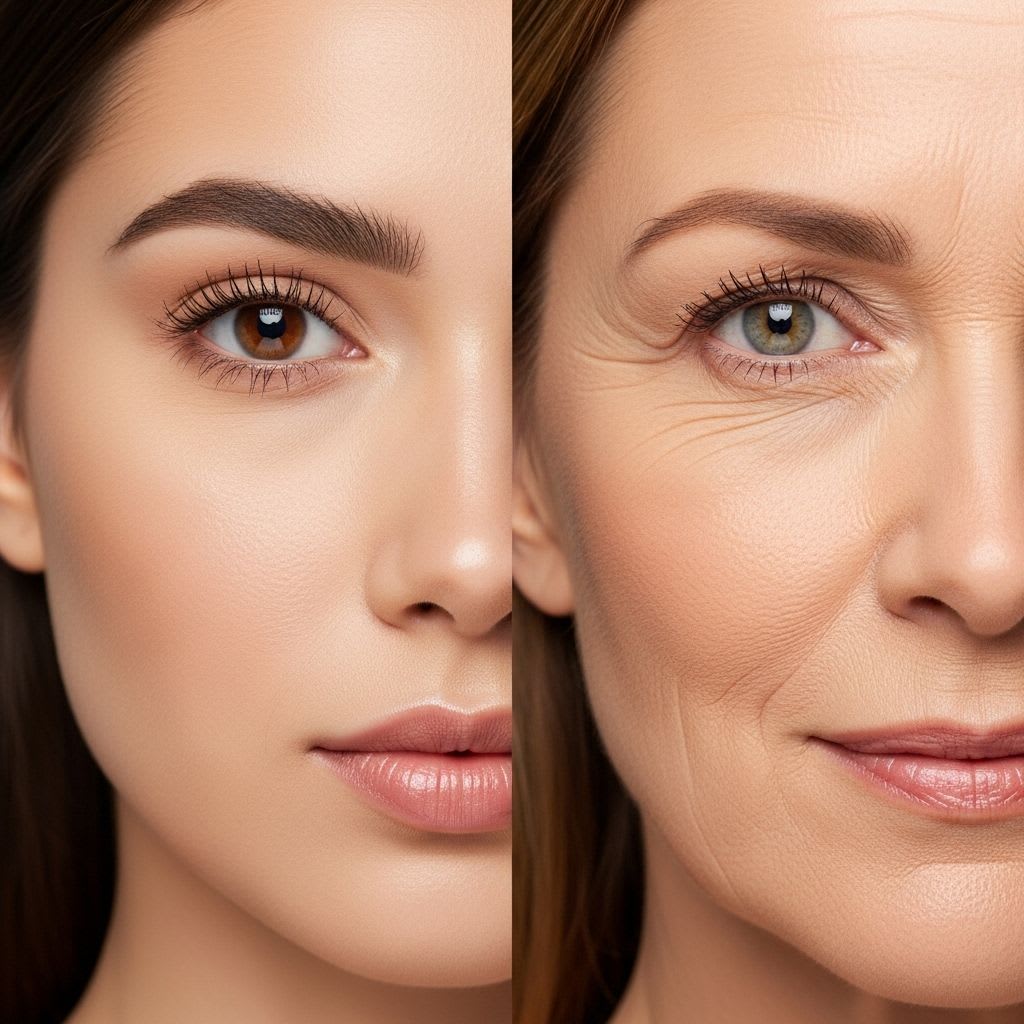
Powder foundation represents one of the worst foundation choices for most menopausal women because it's fundamentally designed to solve a problem mature skin rarely has: excess oil production. Powder foundations work by absorbing sebum and providing coverage through pressed pigments and oil-absorbing minerals like talc, silica, or kaolin clay. On young, oily skin producing abundant sebum, these powders create a beautiful matte finish and long wear. On menopausal skin that's lost 40% of its natural oil production, powder foundations catastrophically emphasize every wrinkle, settle into enlarged pores within hours, and create a flat, chalky appearance that ages rather than enhances.
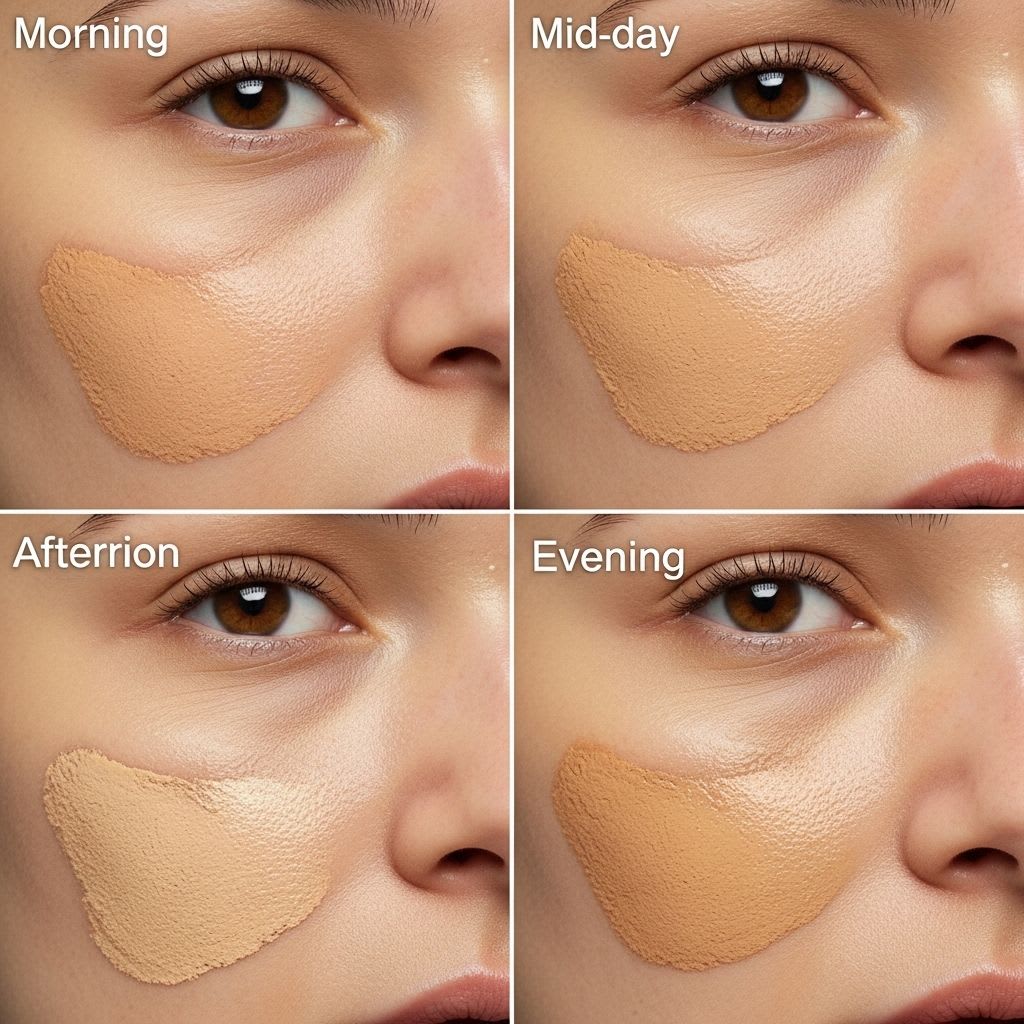
The fundamental incompatibility intensifies because powder foundation lacks the emollients that make skin look healthy. While liquid or cream foundations contain oils and humectants that mimic skin's natural moisture and light-reflecting properties, powder formulas are deliberately dry to control oil. This dryness looks fresh and natural on dewy young skin but reveals every texture issue on mature skin that lacks natural luminosity. By midday, powder foundation on menopausal skin typically shows visible caking in laugh lines, creasing around the nose, and a dusty, obviously made-up appearance that no amount of setting spray can rescue.
What beginners misunderstand is conflating powder foundation with setting powder—they're entirely different products with different purposes. Setting powder is applied over liquid foundation to set makeup; powder foundation is the foundation, providing both coverage and finish. This confusion leads women to purchase powder foundation believing it's a time-saving alternative to liquid foundation plus powder, only to discover it looks terrible on their changed skin. The honest reality most beauty content avoids: powder foundation works for less than 5% of menopausal women—those rare individuals who retain genuinely oily skin throughout hormonal transition. For everyone else, it's a formula type to avoid regardless of how appealing the convenience seems. Learn why skin changes during menopause in our complete makeup guide for menopausal skin changes.
Common Misconceptions About Powder Foundation for Mature Skin
Myth: Mineral Powder Foundation Is Better for Aging Skin
Mineral powder foundations are heavily marketed as natural, skin-healthy alternatives perfect for sensitive or mature skin, but they're still fundamentally dry powder formulas that absorb oil and emphasize texture. The 'mineral' designation simply means the coverage comes from mineral pigments like titanium dioxide and zinc oxide rather than synthetic dyes—this doesn't change the powder's oil-absorbing properties or make it more compatible with dehydrated menopausal skin. While mineral formulas may be gentler for reactive skin due to fewer synthetic ingredients, they still create the same chalky, texture-emphasizing appearance on dry mature skin that conventional powder foundations do.
The exception is loose mineral powders applied very lightly over liquid foundation as a setting element rather than standalone coverage—this can work when the underlying liquid foundation provides the moisture and coverage while mineral powder just sets without caking. However, this isn't using mineral powder as foundation but as a hybrid setting approach. For standalone mineral powder foundation on mature skin, the result is typically the same drying, aging effect as conventional powder, regardless of the 'natural' or 'clean' marketing. The mineral designation addresses ingredient sensitivity, not mature skin texture compatibility.
Myth: Powder Foundation Offers Quick Touch-Ups for Mature Skin
Many women choose powder foundation believing it's ideal for quick application and easy touch-ups throughout the day, but on mature skin this convenience backfires spectacularly. Each powder application on already-dry menopausal skin compounds the drying effect, making the situation progressively worse rather than refreshing coverage. By afternoon, attempting to touch up powder foundation on textured mature skin creates visible layering and caking that looks obviously bad—the powder sits on the surface in patches rather than blending seamlessly like liquid foundation touch-ups can.
What actually works for quick mature skin makeup is cushion compacts or cream-to-powder formulas that provide liquid foundation convenience in portable packaging. These contain emollients and moisture that refresh skin rather than drying it further, while still offering the compact portability powder foundation promises. Alternatively, hydrating setting spray refreshes makeup better than powder touch-ups ever could on mature skin. The trade-off is carrying a slightly larger product than a compact, but avoiding the progressively worsening appearance powder reapplication creates. Powder foundation's supposed convenience advantage disappears entirely when the touch-ups make you look worse rather than better.
Myth: Full Coverage Powder Foundations Hide Age Spots Effectively
The appeal of full coverage powder foundation for covering age spots and hyperpigmentation is undermined by how powder pigments settle unevenly on textured skin. While these formulas do contain high pigment loads theoretically capable of covering discoloration, the powder particles accumulate in enlarged pores, fine lines, and texture variations, creating patchy coverage where some spots are hidden while others remain visible. The heavy powder application required to achieve full coverage on pigmented areas causes severe caking and emphasizes every wrinkle, making you look older despite covered spots.
The superior approach for age spot coverage is targeted cream concealer over liquid foundation—the cream concealer provides genuine spot coverage with flexibility that doesn't emphasize texture, while liquid foundation creates an even base. This combination delivers better pigmentation coverage with more natural appearance than attempting to use full coverage powder foundation for everything. The honest limitation is that no powder formula, regardless of coverage claims or price point, can match liquid or cream formulas for covering pigmentation on mature skin while maintaining natural appearance. The contradiction between needing heavy coverage and avoiding heavy texture makes powder foundation inherently problematic for this purpose.
The Rare Exceptions: When Powder Foundation Can Work
Exception One: Genuinely Oily Mature Skin
A small percentage of menopausal women—estimated at less than 5%—retain genuinely oily skin throughout hormonal transition, often due to genetic factors, PCOS, or other hormonal conditions that maintain sebum production despite declining estrogen. For these rare individuals, drugstore powder foundation can actually work well and may be the best option for controlling shine that liquid foundations can't manage. The key identifier is whether your skin produces visible oil that requires blotting by midday even without makeup—not just slight shine, but actual greasy-feeling oil accumulation.
If you're in this minority, look for drugstore powder foundations with finely-milled textures and buildable coverage like Maybelline Fit Me Matte + Poreless Powder Foundation or L'Oréal True Match Super-Blendable Powder. Apply with a damp sponge rather than dry brush to prevent powder overload, and focus coverage on oily zones while using minimal product on drier areas like around the eyes. Even with oily mature skin, some facial zones are likely drier than others, requiring strategic application. The trade-off is accepting a completely matte finish that lacks the luminosity most mature skin benefits from, but controlling breakthrough oil that ruins other foundation types justifies this compromise for truly oily individuals.
Exception Two: Extremely Humid Climates or Heavy Sweating
Women living in tropical or extremely humid climates where liquid foundation separates within hours from moisture may find powder foundation the lesser evil despite its texture-emphasizing properties. Similarly, women experiencing severe hot flashes with profuse facial sweating sometimes need powder foundation's moisture-resistant properties even though it's not ideal for their skin type. In these edge cases, the formula incompatibility with dry skin is outweighed by liquid foundation's complete failure in high-moisture environments. However, this works only with intensive skin preparation.
The technique requires hydrating primer and minimal powder application to create a compromise between moisture resistance and mature skin needs. Apply heavy moisturizer, wait 15 minutes, then use hydrating primer before very light powder foundation application. This provides some moisture barrier while the powder resists environmental humidity or sweating. The result isn't perfect—powder still emphasizes texture—but maintains better appearance than liquid foundation that slides off completely in these conditions. Consider this approach temporary for specific circumstances rather than permanent solution, and explore liquid-to-powder or cushion foundations that might bridge the gap better.
The Better Alternative: What to Choose Instead
For the vast majority of menopausal women, hydrating liquid or cream foundations deliver infinitely better results than any powder foundation regardless of formula quality or application technique. These formulas work with mature skin's decreased oil production rather than against it, providing coverage while maintaining the slight luminosity that makes skin look healthy and youthful. If convenience is the appeal of powder foundation, consider cushion compacts that offer liquid foundation in portable packaging, or stick foundations that provide cream coverage with powder-foundation-like convenience.
The honest acknowledgment is that powder foundation is simply wrong for most mature skin, and no amount of technique or product quality changes this fundamental incompatibility. If you're searching for drugstore powder foundation hoping to find the one that works, the better investment is redirecting that search toward drugstore liquid foundations designed for dry or mature skin. Brands like L'Oréal, Neutrogena, and Revlon offer affordable liquid options with hydrating formulas that actually suit menopausal skin needs. For clean beauty preferences, explore options in our guide to cruelty-free makeup for mature skin. The trade-off is slightly less convenient application, but dramatically better appearance that makes you look polished rather than obviously made-up with emphasized texture. Sometimes the best recommendation is what not to buy.