
Why Drugstore Tinted Moisturizers Can Outperform Luxury Options for Menopausal Skin
The assumption that expensive tinted moisturizers work better for aging skin ignores a crucial reality: drugstore formulas often contain higher concentrations of hydrating ingredients because they compensate for less sophisticated textures with more aggressive moisturization. During menopause, when skin becomes dramatically drier due to declining estrogen, this tradeoff actually works in your favor. A slightly thicker, less elegant texture matters less than whether the product prevents the tight, flaky appearance that plagues menopausal skin by midday.
Menopausal skin changes fundamentally alter what makes a tinted moisturizer successful. Pre-menopause, you might have prioritized lightweight feel and matte finish. Post-menopause, those same qualities cause makeup to crack along fine lines and emphasize texture. Drugstore brands targeting mature demographics understand this shift and formulate accordingly with glycerin, hyaluronic acid, and sometimes peptides at concentrations luxury brands reserve for their serums. The challenge isn't finding effective ingredients—it's identifying which affordable formulas balance coverage, hydration, and wearability without the trial-and-error expense of testing multiple products.
What makes this particularly relevant for menopausal women is the financial reality of skincare during this transition. As skin needs multiply—you're suddenly buying targeted serums, richer moisturizers, and specialized treatments—spending premium prices on makeup becomes unsustainable. Drugstore tinted moisturizers with SPF offer genuine value by combining three products: hydration, sun protection, and light coverage. For comprehensive guidance on building an affordable routine during this transition, explore our best skincare for menopausal skin guide.
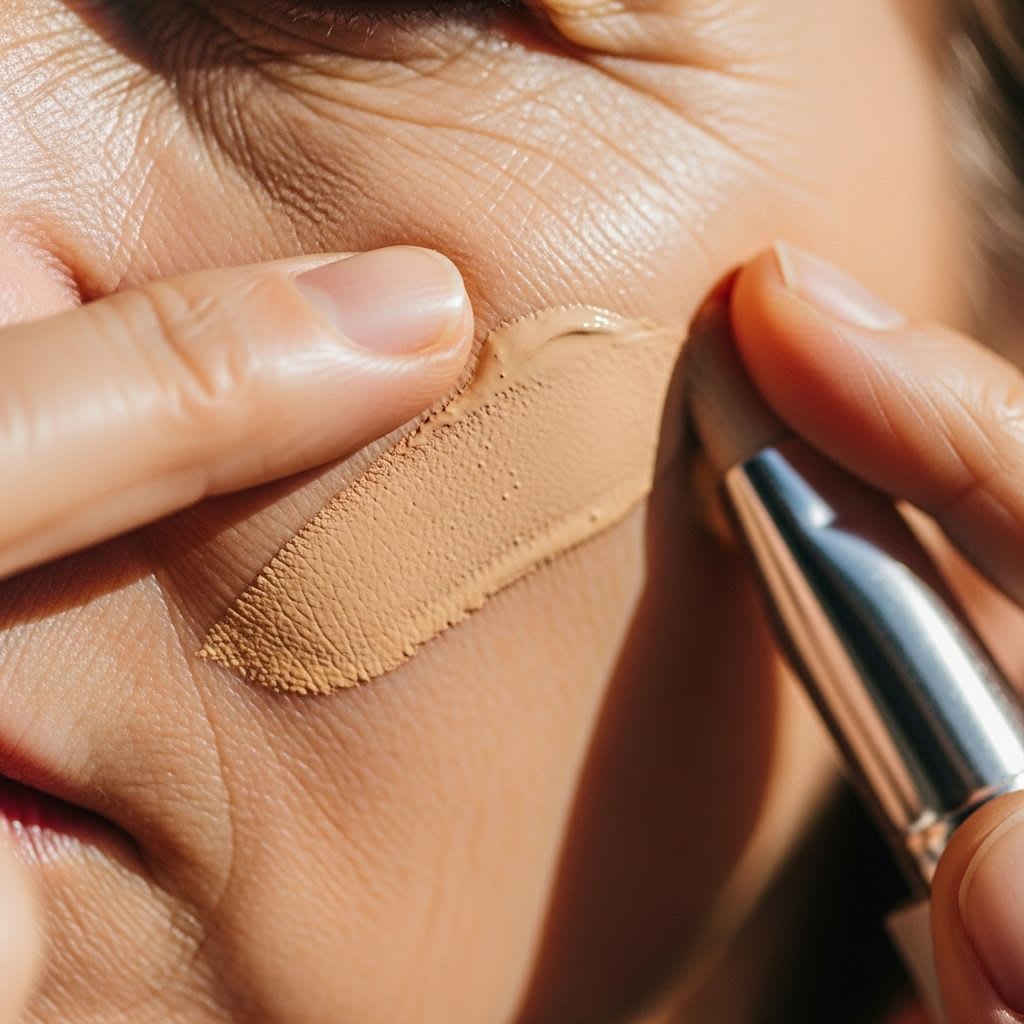
What Separates Good Drugstore Tinted Moisturizers from Disappointing Ones
The SPF Paradox: Protection vs. Wearability
Nearly every drugstore tinted moisturizer includes SPF, which seems ideal until you understand the formulation compromises this creates. Chemical sunscreen filters often cause a slight white cast or greasiness, while mineral filters create that chalky, mask-like appearance particularly noticeable on textured menopausal skin. The SPF 30-50 range requires significant sunscreen concentration that can make formulas pill, separate, or sit heavy on skin.
However, some drugstore formulas solve this brilliantly by using newer sunscreen technologies or hybrid filter systems. The ones that work feel lightweight despite high SPF and blend seamlessly without pilling over serums. The contradiction: you need SPF protection during menopause when skin becomes more susceptible to sun damage, but many affordable SPF formulas make skin look worse. Test products on your jawline first—if they pill or create a heavy film within 10 minutes, they'll be unwearable by afternoon regardless of other benefits.
Shade Range Reality: Why 'Universal' Tints Usually Fail
Drugstore tinted moisturizers typically offer 3-8 shades compared to luxury brands' 15-30 options. Many compensate with 'universal' or 'adaptive' tints that claim to match any skin tone. The reality for menopausal skin: these work only for a narrow medium range and often oxidize differently on skin with altered pH and oil production. What reads as a perfect match in-store can turn orange or gray within hours as the formula interacts with your changing skin chemistry.
The honest assessment: if you're outside the light-to-medium range, drugstore options become frustrating. Fair skin often looks muddy, while deeper tones find everything ashy or too light. Some brands specifically formulate for mature skin with better shade depth, but this requires research rather than grabbing the first affordable option. The trade-off here is genuine—saving money may mean compromising on perfect color match, which matters more when skin texture changes make imperfect shades more obvious. For overall makeup strategies during this transition, see our complete makeup guide for menopausal skin changes.
When Affordable Formulas Fail: Recognizing the Limitations
There's a specific point where drugstore tinted moisturizers can't meet menopausal skin needs: severe dryness with significant texture issues. When skin is so dehydrated that products separate and sink into every line within an hour, the problem isn't the product—it's that your skin barrier needs intensive repair before any makeup will perform well. In these cases, even expensive formulas fail, but the disappointment stings less when you haven't invested premium money.
Additionally, drugstore tinted moisturizers rarely offer the sophisticated finish of luxury products. They work well for everyday wear but may not photograph beautifully or withstand close scrutiny in certain lighting. For important events or professional settings where appearance matters significantly, this limitation becomes relevant. The practical approach recognizes these boundaries: use affordable options for daily life while potentially investing in one premium product for special occasions.
Finally, the biggest misconception about drugstore tinted moisturizers is that cheaper always means less effective. Sometimes formulas fail because they're genuinely inferior, but often they fail because application technique needs adjustment for menopausal skin. Using a damp beauty sponge instead of fingers, applying to properly hydrated skin, and setting realistic coverage expectations transform results dramatically. The honest limitation isn't usually the product price—it's understanding that menopausal skin requires different handling regardless of what you spend. Success comes from matching realistic expectations to affordable products rather than believing expensive formulas will somehow override fundamental skin changes that require adapted techniques and proper preparation.