
Why Pre-Made Makeup Kits Fail Menopausal Skin (And What Actually Works)
The frustration is universal: you purchase a "mature skin" makeup kit only to discover it emphasizes every texture change menopause created. These kits typically include the same product categories as kits for younger skin—matte foundations, powder highlighters, setting powders—without acknowledging that declining estrogen fundamentally changes what your skin needs. The real issue isn't product quality but formula selection. Menopausal skin losing 30% of its collagen in the first five post-menopausal years requires hydration-focused formulas, not the mattifying products most kits contain.
The kit paradox: Manufacturers create "all-in-one" solutions for convenience, but menopausal skin varies dramatically between individuals. Some women experience persistent oiliness through perimenopause while others develop severe dryness immediately. A standardized kit can't address this spectrum. What you actually need is a customized core collection addressing your specific hormonal changes, not a generic "over 50" assortment. Your complete makeup approach during menopause requires this personalization.
What beginners misunderstand: they assume more products equal better results. In practice, menopausal skin performs better with fewer, higher-quality items that work synergistically. A kit with 15 products sounds comprehensive but creates layering conflicts—heavy primers under dewy foundations, mattifying powders over cream blushes. The ideal mature skin kit contains 6-8 carefully selected essentials that complement each other's finishes and address the specific texture, hydration, and pigmentation changes hormonal shifts create.
Common Kit-Building Mistakes That Worsen Results
Misconception #1: Full-coverage foundation is essential for mature skin kits. The reality experienced users discover: heavy coverage on thinning, drier menopausal skin looks mask-like and settles into every fine line by midday. Medium buildable coverage in hydrating formulas provides better results—you can layer where needed without the overall heavy appearance. This single swap transforms kit performance more than any other change.
Misconception #2: You need both powder and cream products for versatility. On menopausal skin, powder formulas generally perform poorly—they emphasize texture, settle into lines, and accelerate visible aging throughout wear. The contradiction between marketing and results: cream or liquid formulas across all categories (blush, bronzer, highlighter) maintain the dewy finish that makes mature skin look healthy rather than highlighting its changes. Powder should be minimal or eliminated entirely from kits for post-menopausal skin.
The edge case where standard kits fail completely: If you're experiencing hormonal acne alongside menopausal dryness—common during perimenopause—typical mature skin kits create disaster. Rich, emollient formulas designed for dry skin clog pores and worsen breakouts. You need a hybrid approach: lightweight, non-comedogenic bases with spot concealing rather than full coverage, and targeted treatments instead of overall heavy hydration. No pre-made kit addresses this specific contradiction.
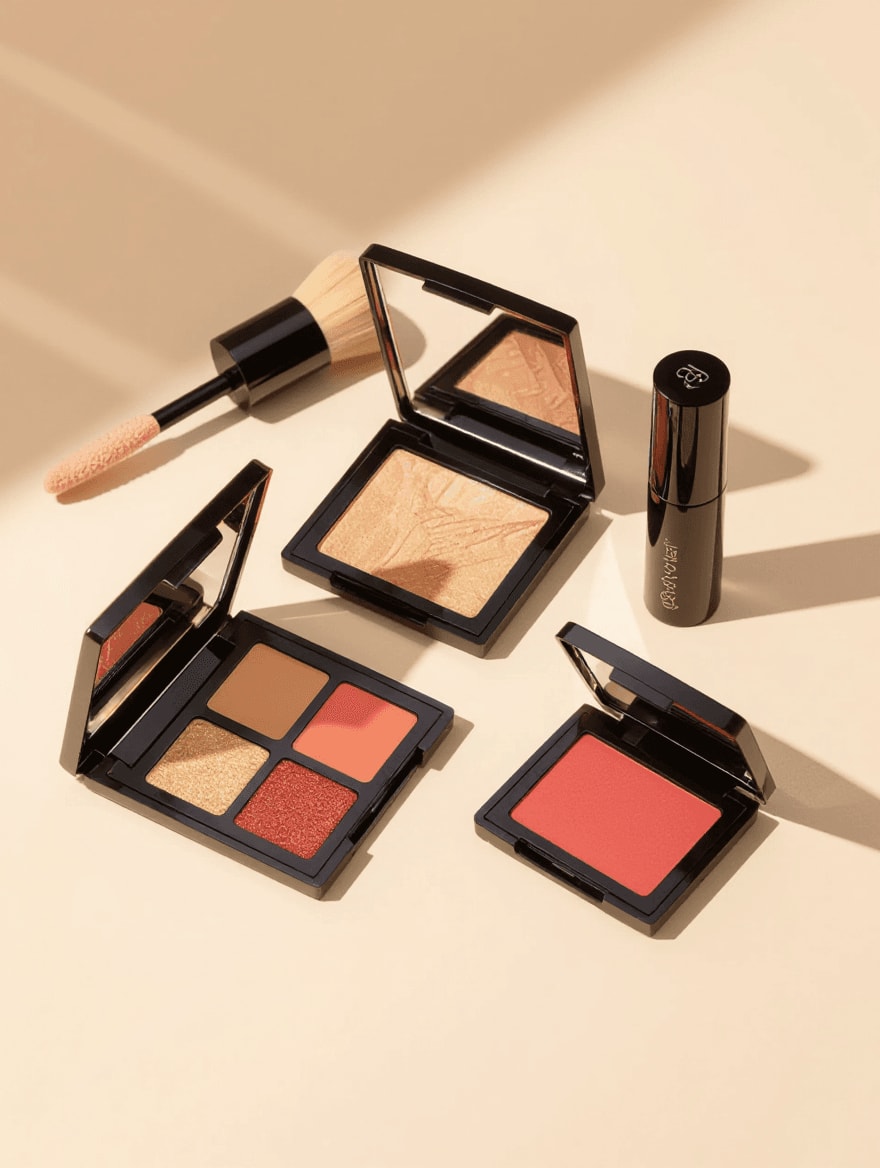
Building Your Personalized Mature Skin Makeup Kit
The non-negotiable foundation: Choose a hydrating, buildable formula with satin or luminous finish. Look for ingredients like hyaluronic acid, glycerin, or squalane in the first seven ingredients listed. Avoid anything labeled "long-wear" or "24-hour" as these typically contain higher alcohol content that dehydrates skin. Your foundation should feel comfortable after 8 hours, not tight or flaky. This single product determines whether your entire kit succeeds or fails on menopausal skin.
Essential kit components by priority: Start with creamy concealer for targeted coverage rather than heavy foundation everywhere. Add cream blush in a buildable formula—this provides the healthy flush declining circulation no longer creates naturally. Include a hydrating primer for pore-prone areas only, not full-face application. Choose a tinted brow gel over powder to avoid the harsh, dated appearance powder creates on thinning brows. Select cream or liquid highlighter, never powder, to add dimension without emphasizing texture.
What to deliberately exclude: Skip mattifying primers and setting powders that create the flat, aged appearance most women trying to avoid. Eliminate powder bronzers and eyeshadows in favor of cream formulas that blend seamlessly into changing skin texture. Avoid lip products with matte finishes—they emphasize the vertical lip lines that develop as collagen depletes. These exclusions matter as much as your inclusions because the wrong products actively worsen menopausal skin's appearance regardless of application skill.
Adapting Your Kit Through Menopause Stages
Early perimenopause kit (40-48): You're experiencing unpredictable changes—some days require oil control, others intense hydration. Build a hybrid kit with medium-coverage foundation, minimal powder for T-zone only, and both cream and liquid blush options. Include targeted treatments like under-eye patches for puffiness that hormonal fluctuations cause. This transitional stage requires more products than later menopause because your skin hasn't stabilized into consistent behavior patterns.
Post-menopause kit (55+): Skin is consistently drier with pronounced textural changes. Simplify dramatically to 5-6 core products—all with dewy or satin finishes, all cream or liquid formulations. Focus on strategic placement rather than full-face coverage. A tinted moisturizer or serum foundation often outperforms traditional foundation. Cream products in stick form allow precise application exactly where needed without disturbing delicate skin through blending. This streamlined approach prevents the product overload that emphasizes rather than conceals age-related changes.
What experienced practitioners learn: your kit needs seasonal adjustment. Winter requires richer formulas as heating systems dehydrate skin further, while summer allows slightly lighter textures. Rather than maintaining two complete kits, have one core collection with seasonal foundation and moisturizer alternatives. This prevents waste while ensuring products perform optimally year-round despite environmental challenges that affect menopausal skin more severely than younger complexions.
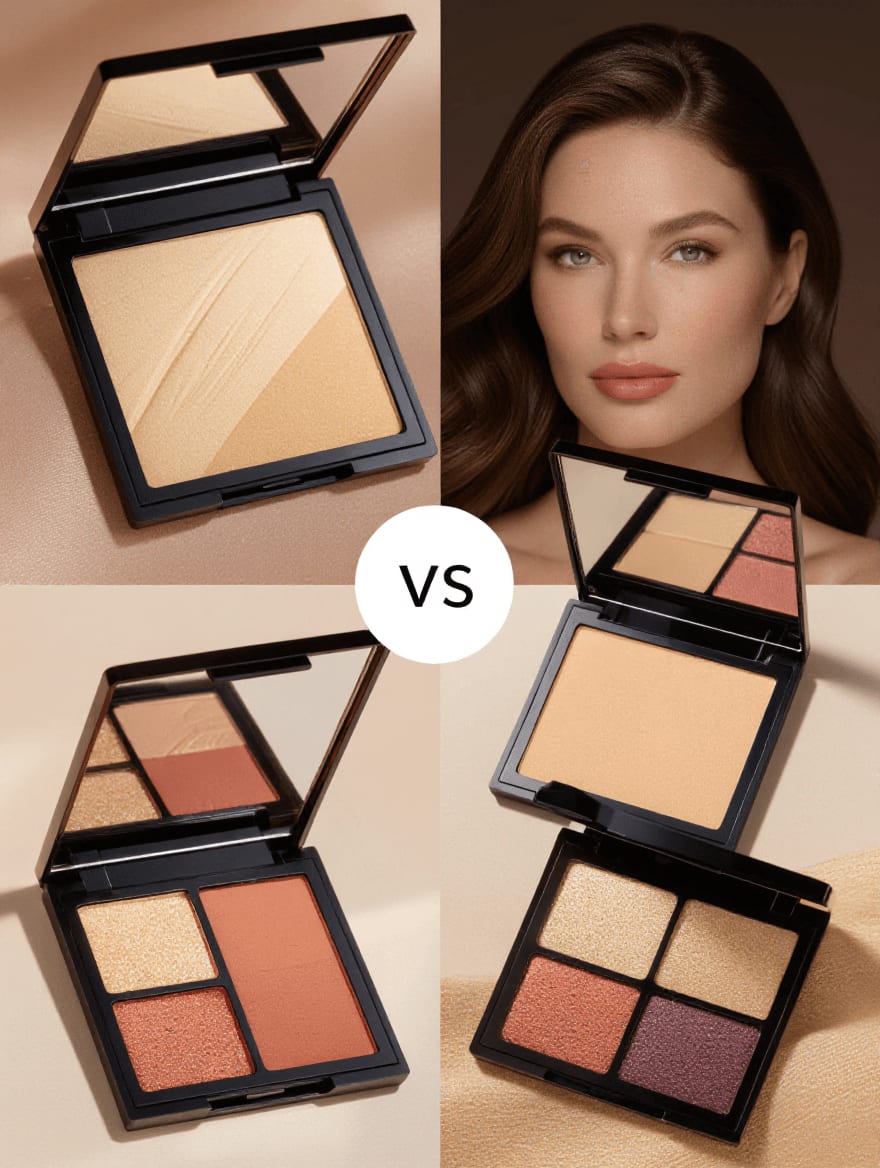
Tools and Application Essentials for Your Kit
The honest limitation nobody discusses: even perfect products fail without appropriate tools for mature skin application. Traditional makeup brushes designed for younger skin often drag on thinner, more fragile menopausal skin, causing irritation and poor product distribution. Damp beauty sponges work better for foundation—they provide gentle, bouncing application that deposits product without pulling. For cream blush and highlighter, use fingertips for warmth-activated blending that looks seamless rather than placed.
The mirror and lighting requirement: Your kit needs a magnifying mirror for precision work but here's the contradiction—don't use it for overall assessment. Magnification shows texture and details you'll obsess over that others never notice. Apply foundation and base products using a standard mirror in natural lighting, then switch to magnification only for brows, lashes, and lips. This prevents the over-correction that makes makeup look heavy when viewed at normal social distances.
Maintenance and replacement reality: Mature skin makeup requires more frequent replacement than products for younger users. Cream formulas oxidize faster, and contamination risks increase as skin becomes more reactive during hormonal changes. Replace foundations every 6-9 months, cream blushes every 8-10 months, and any product that changes smell or texture immediately. This isn't wasteful—it's essential for preventing irritation and ensuring consistent performance on skin that's becoming more sensitive.
The budget consideration: Building a proper mature skin kit costs more initially than buying a pre-made set, but provides better long-term value. Expect to invest in 2-3 premium products (foundation, concealer, and one cream color product) while selecting mid-range options for supporting items. The performance difference between drugstore and prestige foundations on menopausal skin is significant—splurge here. For tools and other products, quality mid-range options perform comparably to luxury alternatives. This strategic spending ensures your kit actually works rather than sitting unused because products emphasize rather than enhance.
What changes as you age: your kit should become simpler and more refined, not larger. Women often accumulate products trying to solve problems, but menopausal skin responds better to mastering fewer, superior items. By your 60s, you should have perfected a streamlined routine with 4-5 products you understand completely—how they layer, where to apply them, how much to use. This expertise with a focused kit outperforms a drawer full of products you're still experimenting with, providing reliable, flattering results that actually save time rather than creating morning frustration.