
Why Mineral Makeup Behaves Differently on Menopausal Skin
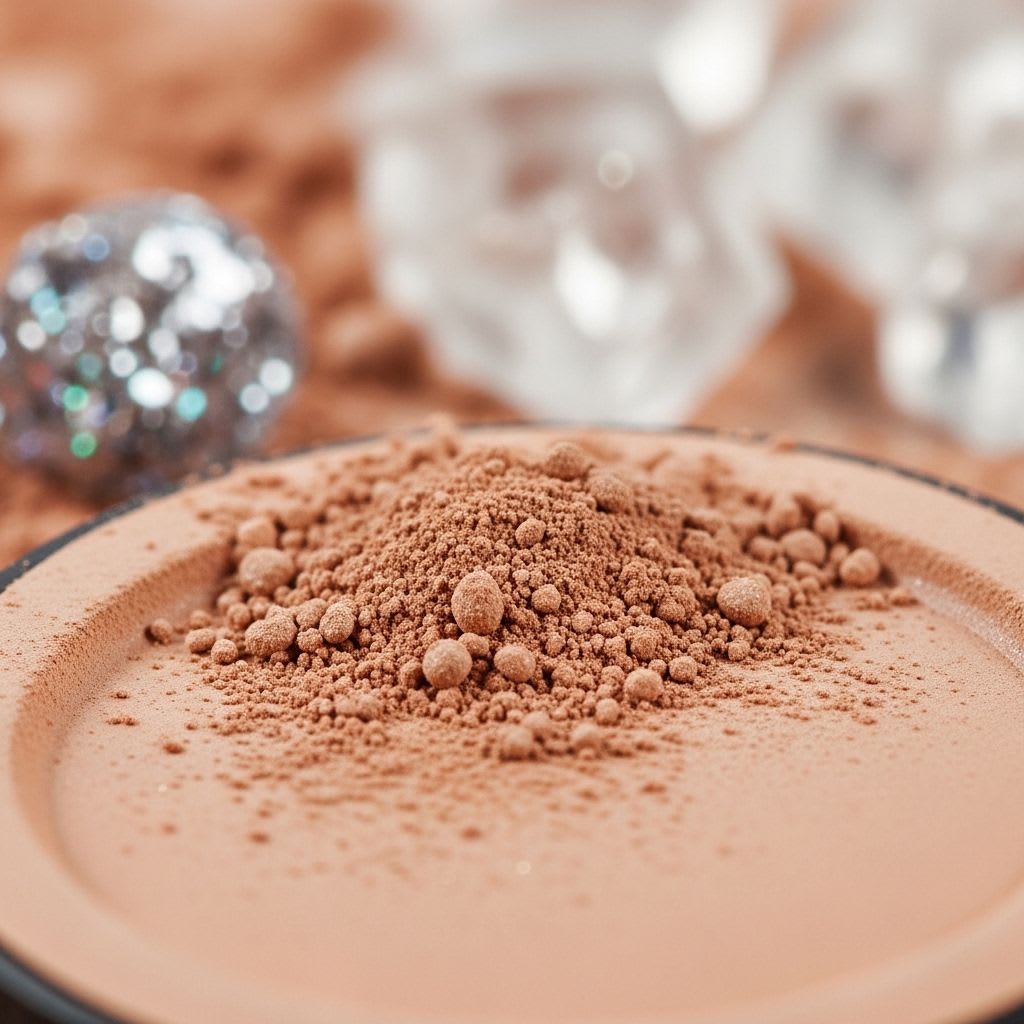
Mineral makeup's reputation for being ideal for mature skin stems from legitimate benefits—no synthetic preservatives, fewer pore-clogging ingredients, and natural sun protection from zinc oxide and titanium dioxide. However, the powder-based formulation that makes mineral makeup safe creates a critical problem for menopausal skin: it absorbs moisture relentlessly. When estrogen declines, sebum production drops by 40%, leaving skin chronically dehydrated. Traditional loose mineral powders exacerbate this by drawing out remaining moisture, causing makeup to look chalky and settle into every line within hours.
The contradiction most dermatologists don't explain: mineral ingredients themselves are excellent for mature skin—anti-inflammatory, non-comedogenic, and protective—but the delivery system requires complete adaptation. What works is switching from loose powder minerals to pressed or liquid mineral formulations that incorporate hydrating bases. These maintain mineral benefits while preventing the desiccating effect that makes traditional mineral makeup age skin visually. Understanding this distinction prevents the common experience of trying mineral makeup, seeing worse results than conventional foundations, and abandoning minerals entirely when the real issue was formulation type.
Additionally, particle size matters dramatically on older skin. Micronized minerals (particles under 100 nanometers) provide sheerer, more natural coverage that doesn't emphasize texture, while standard-size particles visible under magnification create the heavy, obvious appearance many associate with mineral makeup. For comprehensive makeup strategies during menopause, explore our complete beauty guide for skin changes.
Common Myths About Mineral Makeup for Mature Skin
Myth: All Mineral Makeup Provides Natural Sun Protection
While zinc oxide and titanium dioxide offer inherent UV protection, most mineral makeup contains insufficient concentrations to meet SPF claims you'd rely on. A mineral foundation might contain 10% zinc oxide, providing theoretical SPF 15-20, but only if applied at the density used in laboratory testing—about 6 times thicker than anyone actually wears foundation. The coverage that looks natural provides SPF 3-5 at best, insufficient for menopausal skin that's more vulnerable to photodamage due to collagen loss.
What actually works: always apply dedicated broad-spectrum sunscreen under mineral makeup, never relying on the makeup itself for sun protection. The minerals provide a modest boost and physical barrier against environmental damage, but treating them as primary sun protection leaves mature skin exposed to accelerated aging. This misconception leads many women to skip proper sunscreen, then wonder why their skin shows increasing sun damage despite using mineral makeup.
Myth: Mineral Makeup Never Causes Breakouts or Sensitivity
The 'minerals can't clog pores' claim ignores that many mineral makeup products contain bismuth oxychloride, a processed mineral that creates luminosity but causes irritation in 20-30% of users, particularly those with rosacea-prone menopausal skin. Additionally, some formulations include plant-based oils or waxes in pressed versions that can trigger acne in women experiencing hormonal breakouts during perimenopause. The assumption that 'natural' equals 'universally safe' leads to frustration when mineral products cause reactions conventional makeup never did.
The evidence-based approach: check ingredient lists specifically for bismuth oxychloride if you have sensitive or rosacea-prone skin. For those experiencing menopausal acne, avoid mineral formulas with coconut oil, shea butter, or other comedogenic bases in pressed versions. True minimal mineral makeup contains only zinc oxide, titanium dioxide, iron oxides for color, and possibly mica for finish—anything beyond this introduces potential sensitivities. This selective approach prevents the common pattern of switching to mineral makeup for health benefits, experiencing problems, and concluding your skin simply can't tolerate minerals when specific ingredients were the issue.
Choosing and Applying Mineral Formulas That Work for Older Skin
Liquid Mineral Foundations: The Best Starting Point
For menopausal skin, liquid mineral foundations solve the hydration problem inherent in powder formulas while maintaining clean ingredient profiles. These combine micronized minerals with hydrating bases like squalane, hyaluronic acid, or plant extracts that keep skin plump throughout wear. The application method differs critically from conventional foundation—use damp beauty sponges with pressing motions rather than brushes or rubbing. Brushes can create streaky coverage and emphasize texture because mineral particles don't blend as seamlessly as synthetic pigments without moisture assistance.
Look for formulas explicitly stating 'buildable coverage' rather than 'full coverage'—mineral pigments can't achieve the opacity of conventional makeup without becoming mask-like. The benefit for mature skin is this sheerness creates a skin-like finish that doesn't settle into wrinkles or look heavy. Build coverage in thin layers only where needed rather than coating the entire face densely. This approach takes 2-3 minutes longer than single-layer application but prevents the cakey appearance that makes mineral makeup look aging. For ethical beauty options, see our guide to cruelty-free vegan makeup for mature skin.
When Loose Powder Minerals Can Work: Specific Use Cases
Despite general recommendations against loose powder minerals for older skin, they excel in one scenario: combination menopausal skin where the T-zone remains oily while cheeks become dry. In this case, use liquid mineral foundation everywhere, then lightly dust loose mineral powder only on the forehead, nose, and chin using a fluffy brush with minimal product. This strategic zoning controls shine in oily areas without dehydrating dry zones. The key is using genuinely minimal amounts—the brush should appear to have no visible powder when you look at it.
The trade-off with this approach: it requires carrying both liquid and powder products, takes extra time to apply selectively, and may need touch-ups mid-day as oil breaks through powder. However, for women whose skin hasn't fully transitioned to completely dry, this hybrid method provides better results than using either formula alone. What doesn't work: applying loose mineral powder across the entire face hoping the 'breathable' nature compensates for dehydration—within 3-4 hours, powder-covered areas look noticeably older than liquid-foundation areas, creating obvious demarcation that's worse than using conventional makeup.
The Honest Limitation: Mineral Makeup Offers Less Coverage
No mineral makeup matches the coverage capabilities of conventional full-coverage foundations. The largest mineral particles that remain safe and non-irritating still provide only light-to-medium coverage maximum. For women with significant hyperpigmentation, melasma, or redness from rosacea—all common during menopause—mineral makeup alone may not provide sufficient coverage for comfort. This represents a genuine trade-off: cleaner ingredients and skin-friendlier formulations in exchange for accepting more visible imperfections or layering multiple products for adequate coverage.
The practical solution: use mineral foundation as a base for its skin health benefits, then spot-conceal with conventional concealer only where necessary. This hybrid approach provides clean ingredients across most of the face while achieving adequate coverage on problem areas. Alternatively, some women find mineral makeup works perfectly for everyday wear but keep conventional foundation for special occasions requiring photography or longer wear. There's no shame in acknowledging that while mineral makeup offers significant benefits for mature skin, it doesn't solve every coverage need—adaptability based on circumstances represents realistic product use rather than failure.