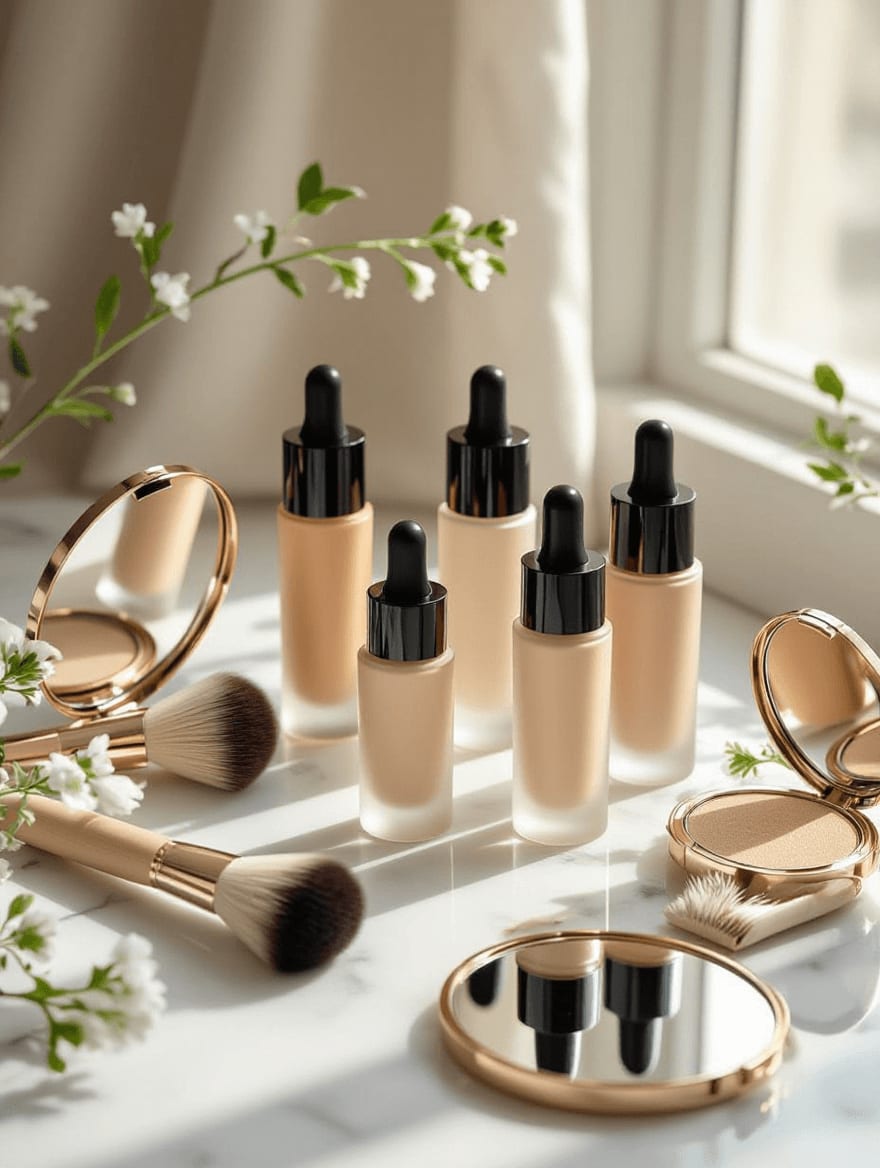
Why Conventional Foundation Becomes Problematic During Menopause
Your skin doesn't just become drier during menopause—it becomes fundamentally more permeable. Declining estrogen levels reduce the skin's natural barrier function by up to 30%, meaning ingredients you previously tolerated now penetrate deeper into your system. Synthetic fragrances, parabens, and silicone-heavy formulas that once felt weightless can now trigger inflammation, exacerbate rosacea, or settle into fine lines that weren't visible a year ago.
The shift to non-toxic foundation isn't just about avoiding harmful chemicals—it's about recognizing that hormonal skin behaves differently. Traditional foundations rely on occlusive silicones to create smoothness, but these can trap heat and worsen menopausal hot flashes. They also prevent proper moisture exchange, leaving already-dehydrated skin feeling simultaneously greasy and tight. Clean formulas using plant-based emollients and mineral pigments allow your skin to breathe while providing genuine nourishment through ingredients like squalane, jojoba oil, and non-nano zinc oxide.
What most articles won't tell you: the term clean beauty has no regulatory definition. A foundation labeled organic might contain only 2% organic ingredients. Look for third-party certifications like EWG Verified, USDA Organic, or Ecocert rather than trusting marketing language alone. The best natural foundation for your menopausal skin will have a full ingredient disclosure and avoid the twelve most concerning endocrine disruptors: phthalates, synthetic fragrances, triclosan, oxybenzone, BHA/BHT, lead, mercury, formaldehyde-releasing preservatives, toluene, and certain UV filters that mimic estrogen.
The Coverage Paradox Clean Foundations Actually Solve
Here's the misconception that keeps women cycling through products: believing that full coverage non-toxic foundation doesn't exist because early natural formulas were sheer and cakey. Modern mineral-based foundations using micronized mica and iron oxides provide buildable opacity that rivals conventional formulas. The difference is the finish—instead of a flat, airbrushed look that emphasizes texture, quality clean foundations create what dermatologists call optical blurring—light-reflecting particles that soften imperfections without settling into pores or creases.
Women in early perimenopause often experience combination skin with unpredictable oil production. The best clean foundation for this stage uses kaolin clay or tapioca starch to absorb excess sebum in the T-zone while delivering hydration through hyaluronic acid or plant ceramides. Post-menopausal skin, conversely, needs organic foundation formulas that prioritize moisture retention—look for shea butter, marula oil, or snow mushroom extract in the first five ingredients. What actually fails here is one-size-fits-all advice telling all menopausal women to switch to dewy finishes, when some experience increased oiliness throughout the transition.
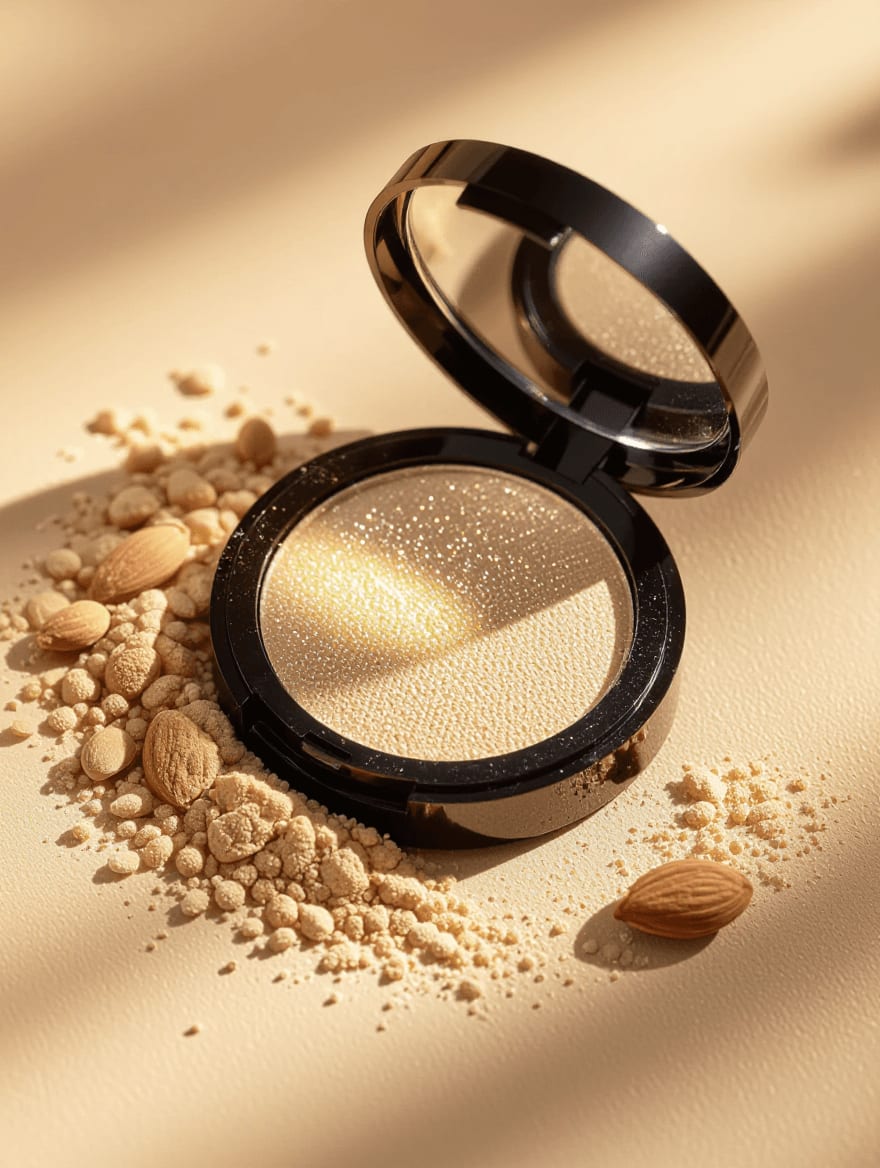
What to Actually Look for in Clean Foundation Formulas
The ingredient list reveals more than any marketing claim. Chemical-free foundation technically doesn't exist—water is a chemical—but the term signals avoidance of synthetic compounds linked to hormone disruption or skin irritation. Start by identifying your non-negotiables. If you're managing rosacea or dermatitis alongside menopause symptoms, prioritize formulas without essential oils, which can be irritating despite being natural. For sensitive skin experiencing hormonal inflammation, seek best natural foundation for sensitive skin options with colloidal oatmeal, bisabolol, or green tea extract that provide anti-inflammatory benefits.
Here's the trade-off rarely discussed: best organic foundation for mature skin formulas often have shorter shelf lives than conventional products. Natural preservatives like radish root ferment or leuconostoc protect against microbial growth but degrade faster when exposed to air and light. This means your foundation may last 6-8 months instead of 2 years—not a defect, but a feature of genuinely preservative-free formulas. Store them in cool, dark places and watch for changes in smell or texture that signal it's time to replace.
- Zinc Oxide (non-nano): Provides sun protection and natural coverage while calming inflammation without penetrating skin barrier
- Squalane (plant-derived): Mimics skin's natural sebum to prevent moisture loss without clogging pores or feeling greasy
- Mica and Iron Oxides: Create soft-focus effect and natural pigmentation without synthetic dyes that can irritate sensitized skin
- Avoid: Dimethicone and Cyclopentasiloxane: These silicones create instant smoothness but trap heat and prevent transepidermal water loss
The application method matters as much as formula choice. Menopausal skin loses elasticity and becomes more fragile—rubbing foundation in with fingers or sponges can stretch delicate skin around the eyes and mouth. Instead, use a dense, flat-topped brush to press and pat product into skin, which deposits pigment without pulling. For best full coverage clean foundation results, apply thin layers rather than one thick application, building coverage only where needed. This technique prevents the masklike appearance that makes fine lines more visible and allows your skin's natural texture to show through in a flattering way.
For comprehensive guidance on adapting your entire makeup routine to hormonal changes, explore our complete menopause makeup guide that addresses every product category affected by declining estrogen.
When Clean Foundation Recommendations Actually Backfire
The standard advice to switch to powder mineral foundation during menopause fails for approximately 40% of women experiencing significant dryness. Pure powder formulas, even those marketed as healthy foundation options, can emphasize flakiness and settle into dehydration lines, particularly around the nose and chin where skin loses density first. Women on hormone replacement therapy often regain some moisture retention and may find powder formulas work beautifully, while those managing menopause without HRT typically need cream or serum-based foundations with built-in hydration.
Another scenario where conventional wisdom fails: assuming all clean foundation brands are automatically better for your skin. Some natural ingredients—citrus oils, high concentrations of essential oils, certain botanical extracts—can be more irritating than their synthetic counterparts, especially for skin experiencing increased reactivity. A foundation containing bergamot oil might be certified organic but trigger photosensitivity and hyperpigmentation, which menopausal women are already prone to developing. The safest approach combines clean ingredient philosophy with individual skin testing.
The contradiction between marketing and experience: products labeled as best foundation without harmful chemicals often tout their SPF protection, but mineral sunscreens in foundation rarely provide adequate coverage for daily protection. You'd need to apply 1/4 teaspoon to your face—far more than anyone uses for foundation—to get the stated SPF. Don't rely on foundation SPF as your primary sun protection during menopause, when declining estrogen increases UV sensitivity and age spot formation. Layer a dedicated broad-spectrum sunscreen underneath your toxic-free makeup for actual protection.
If you're committed to fully clean beauty across all products, pair your foundation choice with cruelty-free and vegan options that align with both ethical values and the specific needs of mature, hormonally-changing skin. The intersection of clean ingredients and mature skin formulation requires more research than simply choosing products marketed to younger demographics.