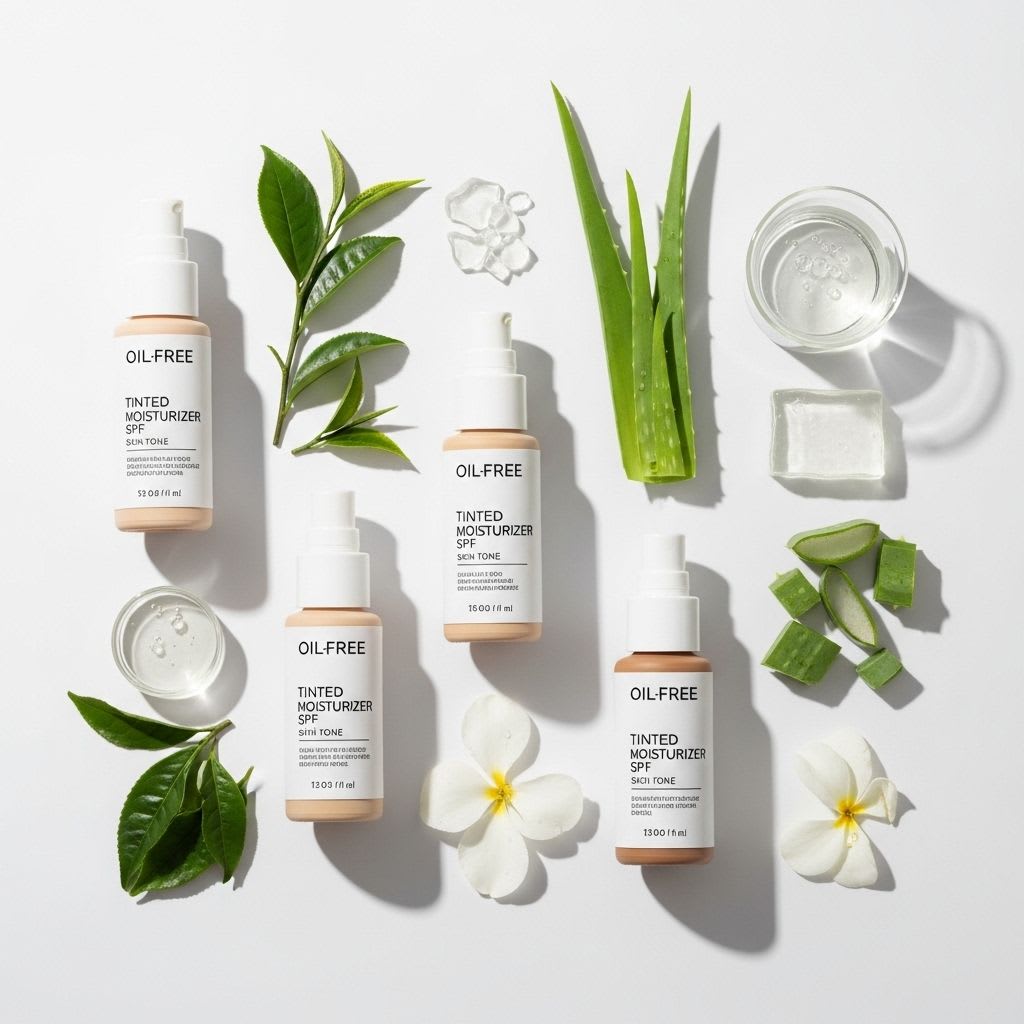
Why Tinted Moisturizers Suddenly Feel Greasy During Menopause
The best oil free tinted moisturiser addresses a paradox many women discover during hormonal transitions: your skin simultaneously becomes drier overall yet produces unexpected oil in concentrated zones. Declining estrogen reduces your skin's natural moisture retention by up to 40%, while hormonal fluctuations can trigger localized sebaceous activity that creates shine across your T-zone, chin, or even areas that were never oily before. Traditional tinted moisturizers, formulated with rich emollients to combat dryness, now slide off these oily patches within hours, oxidize into an orange cast, and emphasize pores you're trying to minimize.
What dermatologists understand but product marketing rarely explains: the term oil-free doesn't mean moisture-free or beneficial-ingredient-free. The best tinted moisturizer with spf for oily skin uses water-based hydrators like hyaluronic acid, glycerin, and aloe vera to deliver serious moisture without the lipid content that triggers shine. These formulas replace traditional oils with silicone derivatives or plant-based alternatives like squalane that feel weightless, absorb completely, and create a smooth canvas for the tinted pigments without adding greasiness.
The most critical misconception is that oil-free formulas will dehydrate your skin. Quality oil free tinted moisturizer spf products contain humectants that actually hold more water than oil-based formulas, providing superior hydration for the dry zones while controlling shine in oily areas. The key is distinguishing between formulas that are genuinely oil-free with intelligent hydration versus those that are simply mattifying through alcohol or absorbent powders that strip moisture and trigger compensatory oil production.
The SPF Integration Problem Nobody Addresses
Here's the technical challenge that affects every oil free tinted moisturizer spf formula: mineral sunscreens (zinc oxide and titanium dioxide) require oil-based dispersion systems to prevent the white cast and achieve smooth application. Chemical sunscreens can be water-based but often have greasy textures that negate the oil-free benefit. The breakthrough formulas use encapsulation technology or specialized silicones to suspend mineral filters in water-based systems, providing genuine sun protection without the heaviness that makes oily skin look shinier.
What professional makeup artists know from working with menopausal women: tinted moisturizers with SPF 30-50 provide adequate sun protection only if you apply the correct amount—approximately 1/4 teaspoon for your face. Most women apply half that quantity because they're using it as makeup rather than sunscreen. For hormonal skin that's increasingly vulnerable to UV damage and hyperpigmentation, layer a dedicated oil-free sunscreen underneath your tinted moisturizer, or accept that your tinted SPF provides secondary protection while a separate sunscreen does the heavy lifting.
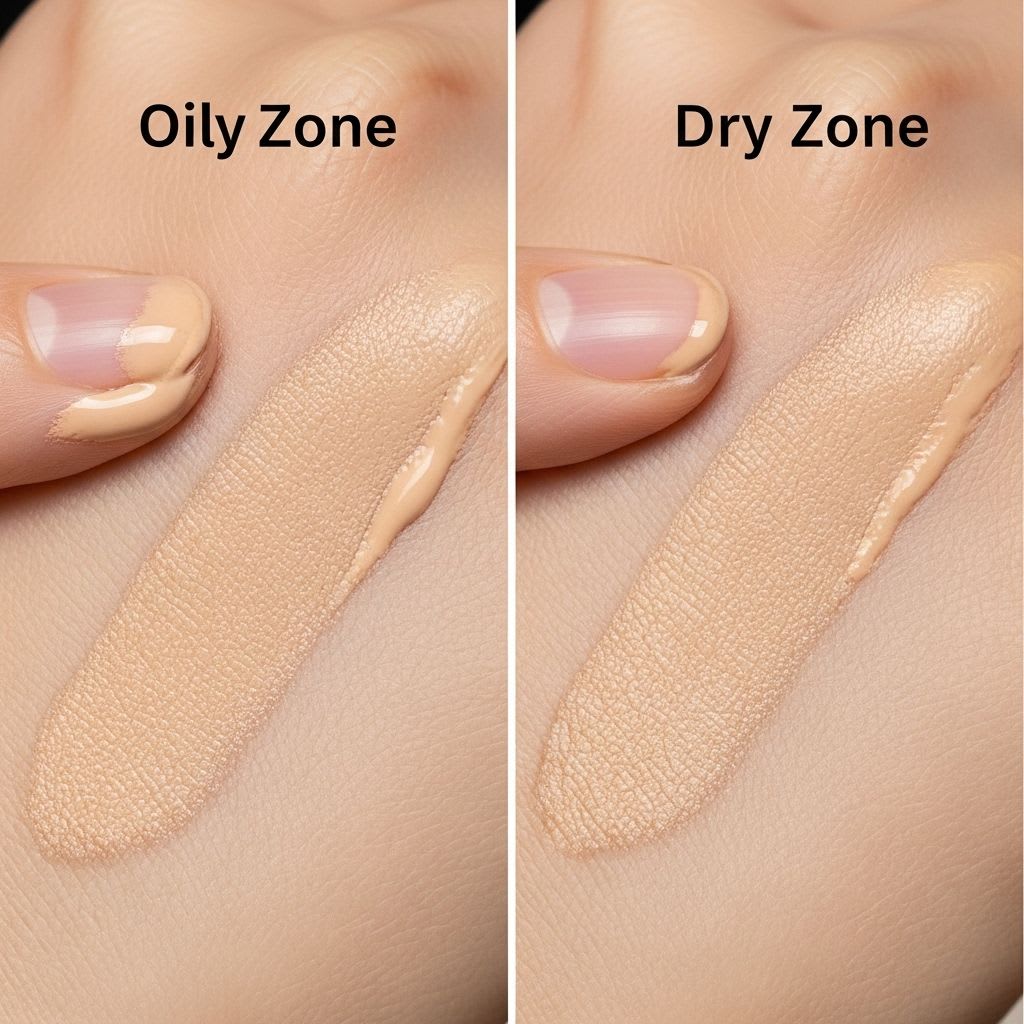
Formula Features That Actually Control Shine Long-Term
The best oil free tinted moisturiser for hormonally-influenced oily skin contains ingredients that regulate sebum production rather than simply absorbing surface oil. Niacinamide at 2-5% concentration clinically reduces sebum output by up to 30% over 4-8 weeks of consistent use. This means your tinted moisturizer becomes more effective the longer you use it, as it addresses the underlying cause of oiliness rather than creating a temporary matte appearance. Look for formulas that list niacinamide in the first five ingredients alongside zinc PCA, which provides additional sebum control without irritation.
The coverage paradox that confuses most shoppers: sheer tinted moisturizers often contain the same pigment load as medium-coverage formulas, but the base vehicle determines how the color appears on skin. Water-gel bases create a fresh, natural-looking tint that evens tone without looking like makeup, while cream bases with the identical pigment concentration appear more opaque and masklike. For menopausal skin experiencing texture changes, the lightweight water-gel format camouflages imperfections through light diffusion rather than heavy coverage that can settle into fine lines.
- Silica or Rice Powder: Absorbs excess oil throughout the day without creating the dry, cakey appearance of talc-based formulas
- Dimethicone or Cyclopentasiloxane: Creates slip and smoothness without oil, helps pigments spread evenly across uneven texture
- Hyaluronic Acid (multi-weight): Delivers hydration without greasiness, plumps skin to minimize pores and fine lines
- Avoid: Coconut Oil, Shea Butter: These comedogenic ingredients congest pores and create shine even in small concentrations
The finish consideration that determines real-world wearability: your best tinted moisturizer with spf for oily skin should dry down to a natural matte or satin finish within 5-10 minutes. Formulas that remain tacky or dewy beyond that window will attract environmental debris, emphasize pores, and break down faster on oily zones. The ideal texture feels like you're wearing nothing while providing even coverage—test this by touching your face 15 minutes after application. If you feel product transfer or stickiness, the formula is too heavy for oily skin regardless of oil-free claims.
For comprehensive strategies on managing all aspects of hormonally-changing oily skin beyond tinted moisturizers, explore our guide to complete skincare for menopausal skin that addresses cleansing, treatment, and protection for hormonal skin changes.
When Oil-Free Tinted Moisturizer Advice Completely Fails
The standard recommendation to use oil-free formulas for all oily skin fails for women experiencing severe dehydration alongside increased sebum production during menopause. If your skin feels simultaneously oily and tight, with flaking around your nose while your forehead shines, you're dealing with a compromised moisture barrier—not simple oily skin. Purely oil-free formulas in this scenario will make the situation worse by failing to repair barrier damage. You need what the industry rarely discusses: a hybrid formula that's technically oil-free but contains barrier-repair lipids like ceramides or cholesterol that don't trigger oiliness.
Another scenario where conventional wisdom backfires: assuming that oil free tinted moisturizer formulas will automatically prevent breakouts. Some women develop adult acne during perimenopause due to hormonal fluctuations, and while avoiding comedogenic oils helps, the real culprits are often silicones or specific UV filters that clog pores. If you're breaking out despite using oil-free products, examine the full ingredient list for cyclopentasiloxane, dimethicone crosspolymer, or avobenzone—these can trigger congestion in hormonally-sensitive skin even without a drop of botanical oil.
The critical contradiction between marketing and performance: tinted moisturizers advertised as mattifying often achieve that effect through alcohol denat or witch hazel that temporarily tighten pores through mild irritation. This works for approximately two hours before your skin rebounds with increased oil production, leaving you shinier by afternoon than if you'd used a balanced oil-free formula. The ingredients that genuinely control oil long-term—niacinamide, green tea extract, azelaic acid—work gradually by regulating sebaceous activity rather than creating immediate cosmetic effects.
What estheticians observe but brands rarely acknowledge: your tinted moisturizer's performance varies dramatically based on your skin's hydration status and environmental humidity. The same best oil free tinted moisturiser that looks flawless in winter can separate and become patchy in summer humidity. Rather than switching products seasonally, adjust your underneath skincare—use a lighter serum in humid months, add a hydrating essence in dry climates. This maintains consistent tinted moisturizer performance regardless of environmental changes.
For guidance on building a complete makeup routine that works with oil-free tinted moisturizers during hormonal changes, see our comprehensive makeup guide for menopausal skin that addresses every product category affected by hormonal shifts.