
Why Pores Look Larger During Menopause (And What Primers Can Actually Fix)
Declining estrogen doesn't physically enlarge your pores, but it triggers a cascade that makes them appear larger. Reduced collagen production causes skin to lose structural support around pore openings, while decreased sebum quality leads to congestion that stretches pore walls. The result: what was once barely visible becomes your primary makeup concern.
The primer paradox: Most women reach for silicone-heavy formulas expecting instant blurring, only to find their pores look worse by midday. This happens because mature skin produces less oil to push out pore-clogging silicones, leading to visible buildup that paradoxically emphasizes texture. The best pore minimizing primers for menopausal skin work differently: they combine optical diffusers with hydration-supporting ingredients that prevent the crepe-like texture exaggeration many women experience. Learn how to address underlying skin changes with targeted skincare strategies that complement primer use.
The mechanism that actually works involves physically filling depressions while reflecting light away from shadowed areas. Formulas containing spherical silica particles (5-10 microns) nest into pore openings without migrating deeper, while mica or synthetic fluorphlogopite creates soft-focus scatter. What beginners misunderstand: you need less product than you think—over-application on drier menopausal skin creates visible texture rather than erasing it.
What Actually Fails: Common Primer Mistakes Women Make
Misconception #1: Dimethicone-first formulas provide the best blurring. In practice, high concentrations of volatile silicones evaporate quickly on menopausal skin, leaving a tacky film that foundation slides across rather than adheres to. By hour three, you see settling into pores rather than blurring. Water-based primers with 10-15% silicone provide better longevity without the heavy feel.
Misconception #2: Mattifying primers solve enlarged pores. The reality experienced practitioners discover: completely removing surface moisture from menopausal skin emphasizes fine lines and pores simultaneously. Pores appear more prominent against dehydrated, slightly shriveled surrounding skin. The better approach combines moderate oil control with humectants like glycerin or sodium hyaluronate that maintain plumpness around pore openings.
The edge case where standard advice fails: If you're experiencing hormonal acne alongside enlarged pores, traditional pore-filling primers create a problematic occlusion. Silica and silicones trap bacteria and inflammatory mediators, worsening breakouts. In this specific scenario, skip dedicated pore primers entirely and opt for a breathable, niacinamide-containing base that addresses inflammation while providing minimal texture smoothing. Your complete makeup approach needs to account for this complexity.
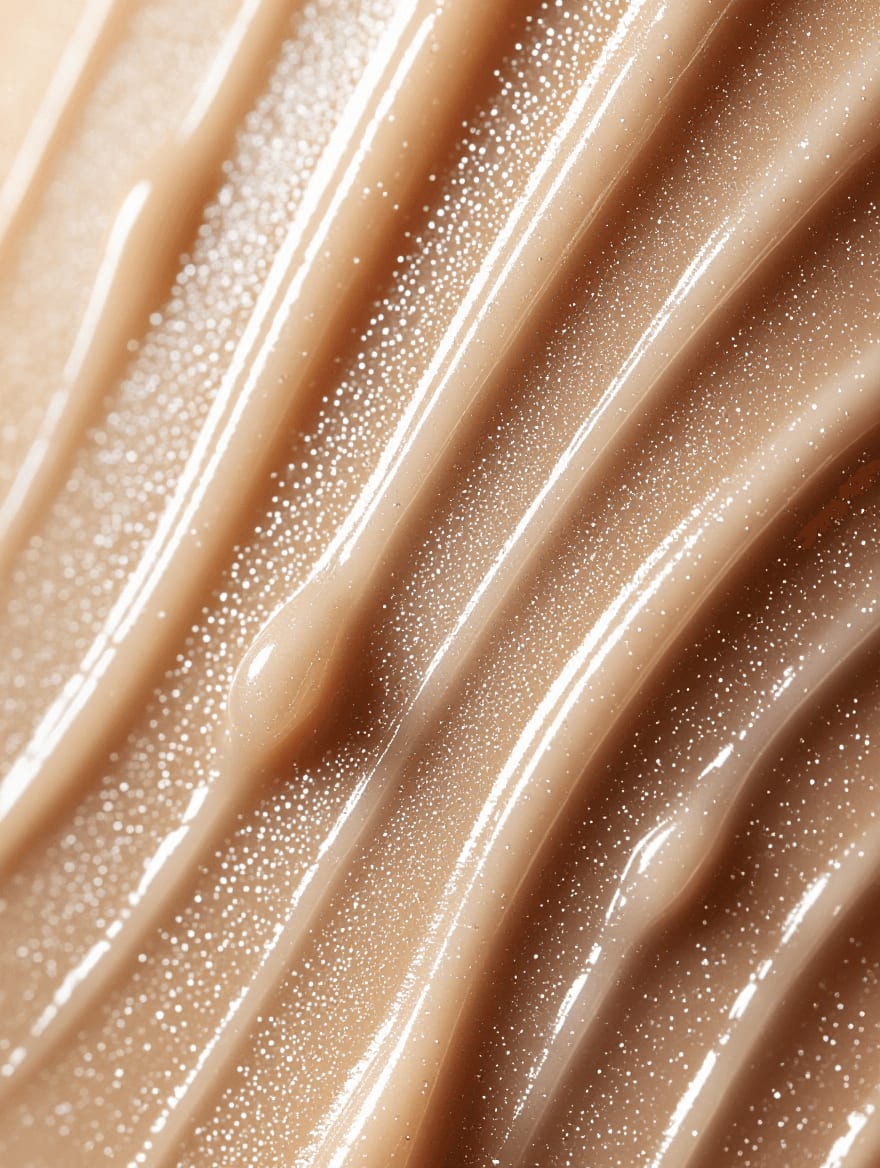
The Best Pore Primers for Different Menopausal Skin Scenarios
For early perimenopause with combination skin: You're experiencing unpredictable oil fluctuations—dry patches one day, shine the next. Look for hybrid formulas containing both dimethicone (for immediate slip) and cyclopentasiloxane (which evaporates cleanly). The addition of 2-3% niacinamide regulates sebum without overdrying. Apply only to your T-zone initially; menopausal skin often shifts to drier cheeks while the nose and forehead remain oilier.
For post-menopause with predominantly dry skin: Traditional pore fillers feel suffocating and emphasize crepe texture. Choose water-based primers with polymethylsilsesquioxane (a breathable alternative to dimethicone) plus hydrating agents. These provide pore-blurring without the waxy buildup that settles into fine lines. The trade-off: slightly less dramatic immediate blurring, but significantly better wear throughout the day and no creasing.
Critical application technique most women miss: Use a tapping motion with fingertips rather than rubbing. Pressing product into pores allows silica particles to physically nest into depressions. Rubbing distributes primer around pores rather than into them, reducing effectiveness by approximately 40% based on makeup artist observations. Wait 60-90 seconds before foundation application—rushing prevents the primer from setting properly, causing products to mix and pill.
What to Avoid and Why (The Honest Limitations)
No primer permanently reduces pore size—that's physiologically impossible without medical intervention. What you're purchasing is temporary optical illusion through light diffusion and physical filling. This matters because some formulas create such dramatic immediate blur that disappointment follows when the effect fades, leading women to over-apply or layer multiple products, which paradoxically increases visible texture.
Ingredients to skip on menopausal skin: Alcohol denat in the first five ingredients creates immediate tightening that feels like pore reduction but accelerates transepidermal water loss. Within hours, this dehydration makes pores look more prominent. Also avoid talc-heavy formulas—while talc absorbs oil effectively, it creates a chalky cast on drier mature skin that requires excessive foundation to conceal, defeating the purpose of looking naturally polished.
The contradiction between evidence and marketing: brands promote "pore shrinking" claims, but dermatological studies confirm primers only provide temporary visual smoothing. The highest-rated pore minimizing primers succeed not through pore reduction but through strategic light manipulation combined with foundation adherence improvement. Understanding this prevents the cycle of disappointment and product hopping that many women experience when primers don't deliver permanent results.
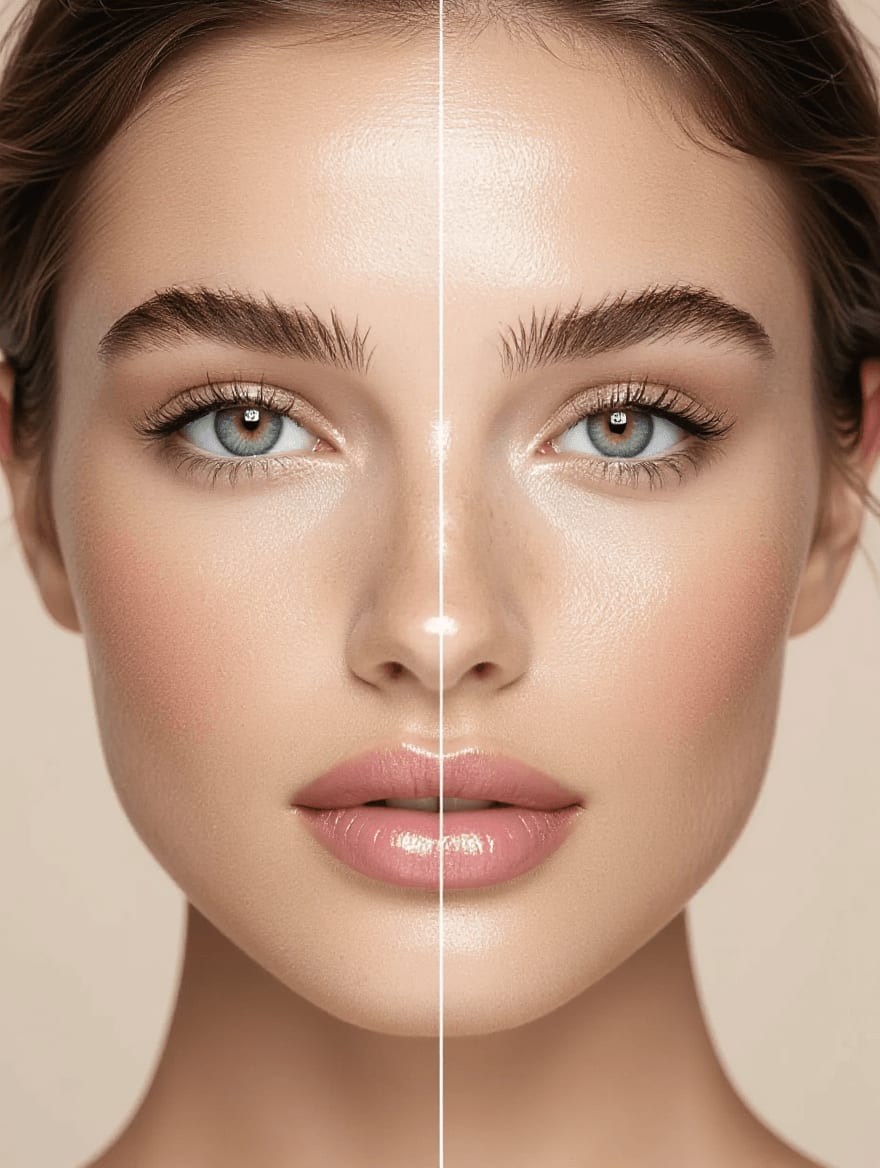
Building a Primer Routine That Actually Lasts
The practical reality experienced users discover: skincare preparation determines 60% of primer performance. If you apply primer over flaky, dehydrated skin or immediately after heavy serums, no formula will perform optimally. Begin with a lightweight, fast-absorbing moisturizer containing humectants (hyaluronic acid or glycerin) but minimal occlusives. Wait three full minutes—this allows the moisturizer to penetrate rather than mixing with your primer into a pilling mess.
The staging approach for different face zones: Most menopausal women don't need primer everywhere. Use pore-filling formulas only where pores are actually visible—typically the nose, cheeks near the nose, and possibly chin. For the rest of your face, a light hydrating primer or even just moisturizer prevents the heavy, masked appearance that occurs when pore-filling formulas migrate to areas with fine lines instead of enlarged pores.
What changes from early to late menopause: in early perimenopause, you might need oil-controlling pore primers regularly. By post-menopause, many women find they need pore primers only occasionally for special events, with hydrating primers becoming the daily essential. This shift reflects decreased sebum production—the very thing that once made pores look worse now means primers designed for oily skin feel incompatible with your changing complexion.
The removal requirement nobody mentions: Silica and silicone-based pore fillers require thorough cleansing—regular face wash often isn't sufficient. If you notice progressively worse pore congestion despite using primers designed to blur them, incomplete removal is the likely culprit. Use an oil-based first cleanse or micellar water specifically, then follow with your regular cleanser. This double-cleansing prevents the buildup that makes pores look larger over time, creating the ironic situation where your pore-minimizing primer actually worsens the problem it's meant to solve.