
Why Perimenopause Can Cause Blocked Ears and Ear Discomfort
A blocked feeling in the ears, muffled hearing, and ear pain during perimenopause are symptoms that catch most women off guard. They rarely appear on standard menopause symptom lists, and women are more likely to visit an audiologist or GP for ear-specific investigation than to connect the symptom to their hormonal transition. But the connection is well-established in medical literature, even if it remains underappreciated in clinical practice.
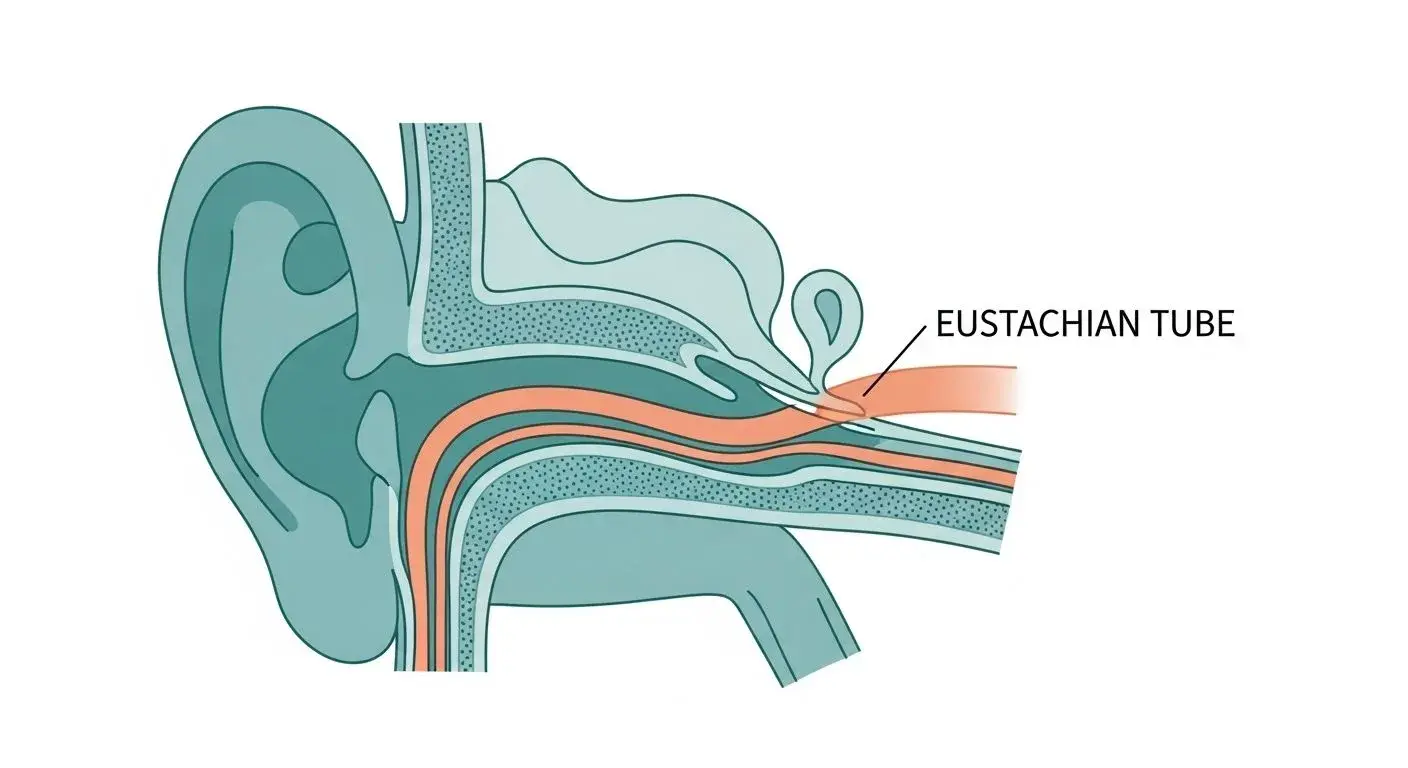
Estrogen receptors are present throughout the ear — in the cochlea, the vestibular system, and the Eustachian tube lining. Estrogen plays a role in maintaining the mucosal health of the Eustachian tube, which is the narrow channel that connects the middle ear to the back of the throat and regulates ear pressure. When estrogen declines, the mucosal lining of the Eustachian tube can become less efficient at regulating, leading to a sensation of fullness, muffled sound, or a perception that the ear is blocked even when there is no physical obstruction or wax.
Histamine sensitivity — which rises in perimenopause as mast cell stability is reduced by declining estrogen — also contributes directly to Eustachian tube dysfunction. Histamine causes mucosal swelling, and in the Eustachian tube this can produce the same blocked, pressured sensation as seasonal allergies — even in women with no prior history of allergies or sinus problems.
Types of Ear Symptoms in Perimenopause and What Causes Each
Several distinct ear symptoms cluster in perimenopause, each with slightly different mechanisms:
- Blocked or full sensation: Most commonly Eustachian tube dysfunction from mucosal changes or histamine-driven swelling. Often worse in the morning, during hormonal fluctuations, or after high-histamine foods.
- Ear pain without infection: Can be referred pain from jaw tension (temporomandibular joint dysfunction increases in perimenopause due to lower estrogen affecting joint laxity), Eustachian tube pressure, or nerve sensitivity changes from declining estrogen's effect on pain modulation.
- Tinnitus: A ringing, buzzing, or humming sound that worsens during perimenopause. Directly associated with estrogen decline and inner ear changes. Often fluctuates with hormonal cycles in perimenopausal women and may stabilise post-menopause.
- Itchy ear canal: Driven by dryness and skin thinning in the canal, histamine sensitivity, or reduced mucosal secretions. Often occurs alongside vaginal dryness as part of a systemic mucosal dryness pattern from estrogen deficiency.
For a detailed guide to managing ear canal itching specifically, our article on menopause itchy ears treatment covers the treatments that address the hormonal and structural causes rather than just masking the itch.
What Helps — and When to Seek Further Assessment
A common misconception is that ear symptoms in perimenopause will resolve with standard ear treatments — olive oil drops, microsuction, or decongestants. These may provide temporary relief for specific presentations (wax, congestion) but will not address the underlying mucosal and hormonal changes. Women who cycle through repeated ear clinic appointments without improvement — normal audiology, no wax, no infection — should raise the hormonal context with their GP or menopause specialist.
HRT has been shown to improve estrogen-dependent ear symptoms in several studies, particularly tinnitus and Eustachian tube dysfunction. The improvement is typically gradual, occurring over 2 to 3 months as mucosal health is restored. For histamine-driven blocked ear symptoms, a trial of antihistamines (alongside dietary low-histamine adjustments) can confirm whether histamine is the primary driver and provide relief while the underlying hormonal treatment takes effect.
Ear symptoms that require urgent assessment include sudden unilateral hearing loss (same-day emergency referral), ear pain accompanied by fever and discharge (possible infection), or persistent vertigo with ear fullness and fluctuating hearing loss (possible Meniere's disease, which is distinct from hormonal vestibular changes and requires specialist management). Most perimenopause ear symptoms are not in these categories, but clear criteria for escalation ensure that treatable conditions are not missed in the assumption that everything is hormonal.