
Understanding Why Menopause Causes Excessive Oily Hair
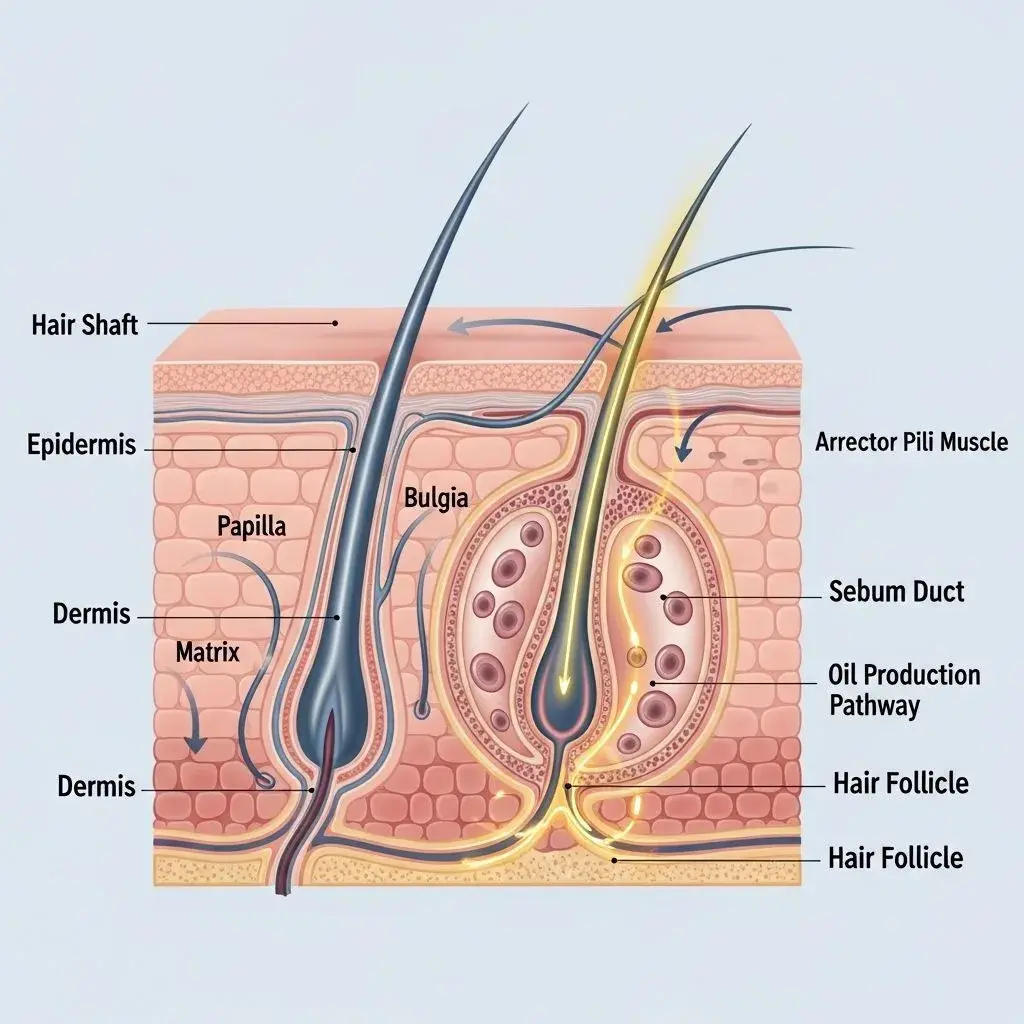
The sudden shift to excessively oily hair during perimenopause or menopause confuses many women who never experienced this problem before. Unlike the common assumption that menopause dries everything out, hormonal fluctuations can actually trigger increased sebum production on the scalp. As estrogen declines irregularly, the relative proportion of androgens (male hormones like testosterone) increases, even if absolute androgen levels remain normal. These androgens stimulate sebaceous glands on the scalp to produce more oil.
This explains why your hair might look greasy by afternoon when it used to stay fresh for days—your scalp is literally producing more sebum than before menopause. The situation often worsens during perimenopause when hormone levels fluctuate wildly rather than declining steadily. You might have weeks of normal oil production followed by periods where your hair looks unwashed hours after shampooing. This unpredictability frustrates women who can't establish a consistent routine. Understanding broader skin changes helps, as detailed in our guide to greasy oily skin during menopause and perimenopause.
Additionally, menopausal stress and sleep disruption independently increase cortisol, which further stimulates sebum production. Hot flashes create scalp sweating that mixes with oil, making hair appear even greasier. The combination of genuine increased oil production plus sweat creates a compounding problem where your hair looks and feels significantly worse than pre-menopausal oiliness ever did.
Common Myths vs. What Actually Controls Scalp Oil
Myth: Washing Hair More Frequently Reduces Oiliness
The instinct to wash oily hair daily or multiple times daily actually worsens the problem for most menopausal women. Frequent shampooing strips natural oils, signaling sebaceous glands to produce even more oil to compensate—creating a vicious cycle where your hair becomes oily faster after each wash. This rebound oil production can make your scalp greasier within 12-18 hours when you previously went 48+ hours between washes.
What works instead: extending time between washes gradually using dry shampoo as a bridge. Start by pushing wash day one extra day, using dry shampoo on roots when needed. After 2-3 weeks, sebaceous glands typically adjust and produce less oil. The contradiction: your hair will look worse during the adjustment period, which causes many women to abandon this approach prematurely. However, women who persist report their scalp eventually produces significantly less oil, sometimes allowing 3-4 day intervals between washes. This represents a complete reversal from the daily washing habit that seemed necessary.
Myth: Conditioning Makes Oily Hair Worse
Many women with oily scalps skip conditioner entirely, believing it adds grease. This causes a different problem: hair shaft dryness combined with scalp oiliness. During menopause, hair texture often becomes drier and more brittle even while the scalp produces excess oil. Skipping conditioner creates rough, tangled ends while roots remain greasy—the worst combination.
The solution requires technique change, not product elimination: apply conditioner only from mid-shaft to ends, never touching the scalp or roots. Use lightweight formulas labeled 'for fine or oily hair' rather than rich, moisturizing types. This selective conditioning addresses shaft dryness without adding scalp grease. Some women achieve better results with leave-in conditioner spray applied to damp ends only—this provides shaft moisture while keeping roots completely product-free. This nuanced approach contradicts the all-or-nothing conditioning advice typically given.
Practical Treatments and Strategies That Work
Clarifying Shampoos and Scalp Exfoliation
Weekly clarifying treatments remove oil buildup and product residue that regular shampoos miss. Use a clarifying or detox shampoo once weekly, focusing on the scalp rather than hair length. These formulas contain stronger surfactants that strip accumulated sebum and restore scalp freshness. For severe oiliness, scalp exfoliation with salicylic acid or AHA-based scrubs 1-2 times weekly can reduce buildup that contributes to greasiness.
However, the trade-off is potential dryness if overused. Limit clarifying to once weekly maximum—more frequent use triggers the same rebound oil production as over-washing. Between clarifying sessions, use gentler sulfate-free shampoos designed for oily hair. This alternating approach provides deep cleaning without constant stripping that worsens oil production. Many women find this weekly reset allows them to extend regular washes to every 2-3 days instead of daily.
Dry Shampoo Technique: More Than Emergency Fix
Dry shampoo becomes essential for managing excessive menopausal scalp oil, but application technique determines whether it helps or creates buildup. Apply dry shampoo to completely dry hair at roots only, holding the can 6-8 inches away. Section hair and spray directly at the scalp in short bursts rather than coating all hair. Wait 2-3 minutes for powders to absorb oil, then massage thoroughly with fingertips and brush out completely.
What beginners misunderstand: dry shampoo doesn't clean—it absorbs existing oil. If you don't brush it out thoroughly, powder buildup combines with new oil production to create worse greasiness. For menopausal women with excessive oil, apply dry shampoo preventively the night before—it absorbs oil as you sleep, giving better results than morning application to already-greasy roots. Some women also apply it immediately after blow-drying clean hair to extend freshness. This proactive approach works better than using dry shampoo reactively once greasiness appears. For comprehensive strategies, explore our guide to oil control makeup for menopausal oily skin.
When Home Treatments Fail: The Medical Intervention Threshold
If you've optimized washing frequency, use appropriate products, and still experience hair becoming visibly greasy within hours of washing, excessive oiliness may indicate hormonal imbalance requiring medical evaluation. Extreme androgen elevation, thyroid dysfunction, or PCOS can all manifest as uncontrollable scalp oil during menopausal transition. Blood work checking testosterone, DHEA-S, and thyroid hormones can identify treatable causes.
Additionally, some medications prescribed for menopause symptoms affect oil production. If excessive oiliness started after beginning hormone therapy or other medications, discuss alternatives with your provider. The honest limitation: not all excessive oily hair responds to topical treatments because the cause is systemic hormonal disruption. Recognizing when you've crossed from cosmetic annoyance to medical symptom prevents wasting months on products that can't address the underlying issue. Some women find hormone balancing through HRT or anti-androgen medications finally controls scalp oil that no shampoo could manage.