Why Menopause Transforms Your Scalp Into An Itch Zone
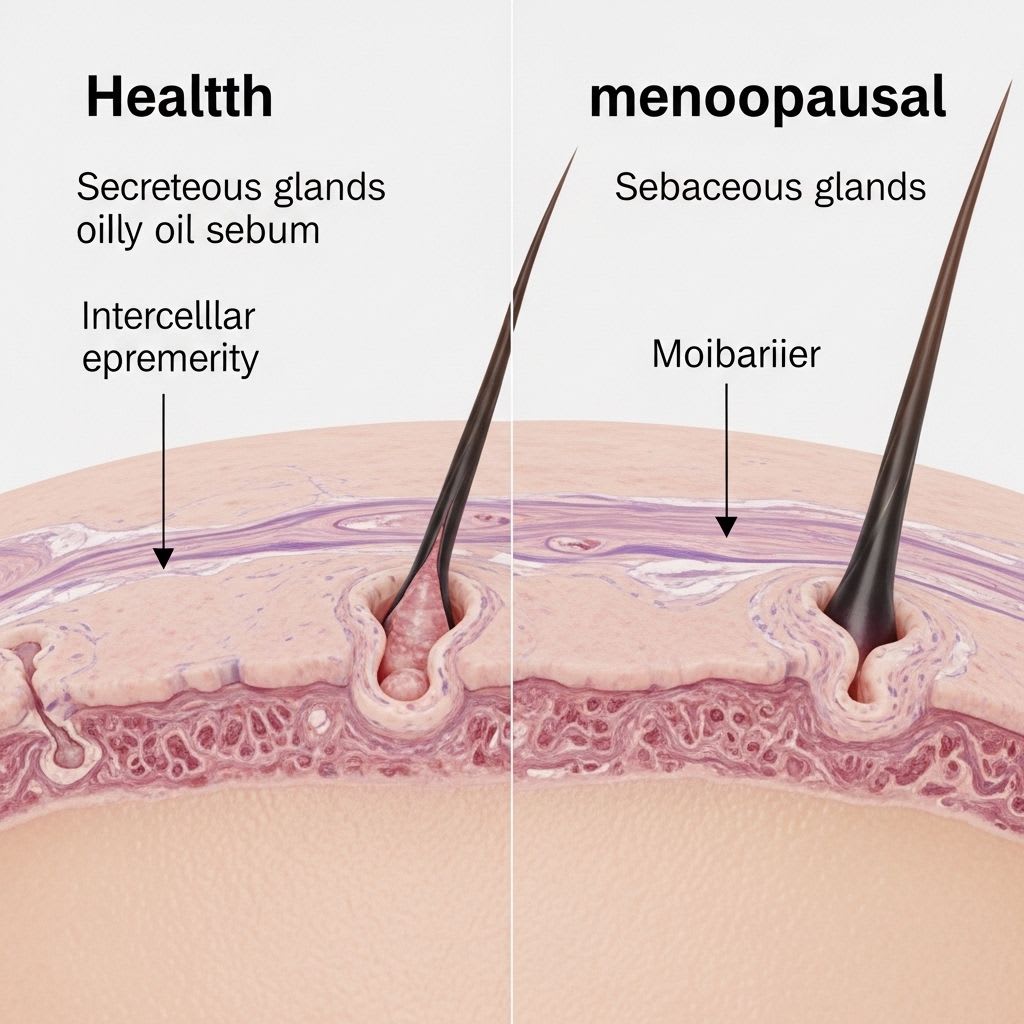
Yes, menopause can cause itchy scalp—and it's not just in your head, despite what dismissive doctors might suggest. Declining estrogen levels directly impact your scalp's sebaceous glands, reducing oil production by up to 60% during the menopausal transition. This creates a cascade of effects: your scalp's protective lipid barrier weakens, allowing moisture to evaporate faster than it can be replenished. The result is chronic dryness that triggers nerve endings in your scalp to send persistent itch signals to your brain, creating that maddening sensation that no amount of scratching seems to relieve.
But dryness tells only part of the story. Perimenopause itchy scalp also stems from inflammatory changes that most women don't connect to hormones. Estrogen acts as a natural anti-inflammatory throughout your body—when levels fluctuate wildly during perimenopause, your immune system becomes hyperreactive. This can trigger or worsen scalp conditions like seborrheic dermatitis, psoriasis, or eczema that you may have had mildly in the past or are experiencing for the first time. Your scalp's microbiome shifts as well, with beneficial bacteria declining and potentially problematic strains increasing, leading to inflammation that manifests as relentless itching, often accompanied by flaking that looks nothing like typical dandruff.
What dermatologists see but general practitioners often miss: menopause itching scalp frequently appears alongside hair thinning in the same regions—the crown and temples. This isn't coincidental. The same hormonal changes causing itch are simultaneously miniaturizing hair follicles and disrupting the hair growth cycle. Women often treat these as separate issues when they're manifestations of the same underlying hormonal disruption. The itching can actually accelerate hair loss because constant scratching damages already-vulnerable follicles and increases inflammation that inhibits healthy hair growth.
The Histamine Connection Nobody Talks About
Here's the mechanism that explains why antihistamines sometimes provide unexpected relief for menopause and itchy scalp: estrogen helps regulate histamine breakdown in your body. As estrogen declines, histamine levels can rise, triggering mast cell activation in your scalp tissue. These activated mast cells release inflammatory compounds that stimulate itch receptors, creating a cycle where scratching releases more histamine, which causes more itching. This is why some women notice their scalp itching intensifies at specific points in their remaining menstrual cycles or correlates with hot flashes—both are influenced by the same hormonal fluctuations affecting histamine metabolism.
The misconception that worsens this condition: believing that washing your hair more frequently will solve scalp itching. For peri menopause itchy scalp, excessive washing actually strips away the already-depleted natural oils, creating a rebound effect where your scalp tries to overcompensate by producing irregular amounts of sebum. This leads to alternating patterns of extreme dryness and unexpected oiliness, neither of which resolves the underlying itch. Most women need to wash their hair less frequently during menopause—typically two to three times per week instead of daily—using gentle, sulfate-free formulas that don't further compromise the scalp barrier.
What Actually Provides Relief Beyond Generic Moisturizing
The standard advice to use moisturizing shampoos barely scratches the surface—literally. Effective treatment for does menopause cause itchy scalp requires targeting the specific mechanisms driving the itch. Start with ingredients that actually penetrate the scalp barrier rather than sitting on the surface. Look for shampoos containing urea at 5-10% concentration, which acts as both a humectant and a mild keratolytic, meaning it draws moisture into the scalp while gently dissolving the buildup of dead skin cells that trap bacteria and exacerbate itching. Salicylic acid at 2-3% serves a similar function but works better for oilier scalps or those with inflammatory flaking.
For immediate relief during intense itching episodes, the most effective approach combines cooling with anti-inflammatory action. Keep a spray bottle of diluted peppermint hydrosol or witch hazel in your refrigerator—the cold temperature provides instant sensory relief by temporarily overriding the itch signal, while the anti-inflammatory properties address the underlying irritation. Apply this before you reach the point of scratching, because once you've damaged the scalp surface through scratching, you've created micro-abrasions that take days to heal and continue the itch cycle.
- Tea tree oil (2-5% dilution): Antimicrobial and anti-inflammatory properties address microbiome imbalances contributing to scalp inflammation
- Niacinamide serums: Applied directly to scalp, strengthens barrier function and reduces inflammatory signaling within two weeks of consistent use
- Zinc pyrithione shampoos: Particularly effective for fungal-related scalp inflammation that becomes more common with hormonal changes
- Avoid: Hot water and heated styling tools: Both strip moisture and increase inflammation, intensifying the itch-scratch cycle
The dietary component that medical dermatology is increasingly recognizing: omega-3 fatty acid supplementation significantly reduces scalp inflammation and improves barrier function from within. Studies show that 2-3 grams daily of combined EPA and DHA for at least eight weeks can reduce scalp itching intensity by 40-60% in menopausal women. This works by modulating the inflammatory pathways that estrogen decline has disrupted, essentially providing some of the anti-inflammatory protection that hormones previously supplied naturally.
If you're experiencing scalp itching alongside significant hair loss, explore our comprehensive guide on menopausal hair loss causes and treatment that addresses the interconnected nature of these hormonal scalp changes.
When Home Remedies Fail and What That Signals
Standard scalp treatments fail for approximately 25% of menopausal women because the itching stems from systemic inflammatory conditions that happen to manifest on the scalp rather than being purely dermatological. If you've tried multiple specialized shampoos, scalp treatments, and dietary changes for six weeks without improvement, the issue may be autoimmune-related. Conditions like lichen planopilaris and frontal fibrosing alopecia—both more common during hormonal transitions—cause intense scalp itching as an early symptom, often months before visible hair loss appears. These require medical intervention with topical or oral immunosuppressants rather than over-the-counter treatments.
Another scenario where conventional approaches backfire: women who develop contact dermatitis to ingredients they've used for years without problems. Your immune system becomes more reactive during menopause, meaning that hair products containing methylisothiazolinone, fragrance compounds, or even natural essential oils can suddenly trigger allergic reactions manifesting as unbearable scalp itching. The solution requires systematically eliminating products and reintroducing them one at a time—a process most women abandon prematurely. Use only water to wash your hair for two weeks, then add back one product every five days to identify the culprit.
The critical warning sign that distinguishes normal menopausal scalp changes from something requiring immediate medical attention: unilateral itching—itching confined to one specific area rather than generalized across your scalp. This pattern, especially if accompanied by hair loss in the same region, can indicate scalp infections, early skin cancers, or neurological conditions that require prompt evaluation. Similarly, if itching is accompanied by burning sensations, visible sores that don't heal within a week, or sudden-onset severe flaking with a yellowish or greenish tint, see a dermatologist rather than continuing to self-treat.
Many women don't realize that menopausal itching can affect multiple body sites simultaneously as part of the same hormonal mechanism. If you're experiencing itchy ears during menopause along with scalp itching, this suggests a systemic hormonal impact on mucous membranes and skin rather than isolated scalp issues, which may respond better to hormone replacement therapy than topical treatments alone.