
How Estrogen Affects Your Eyes
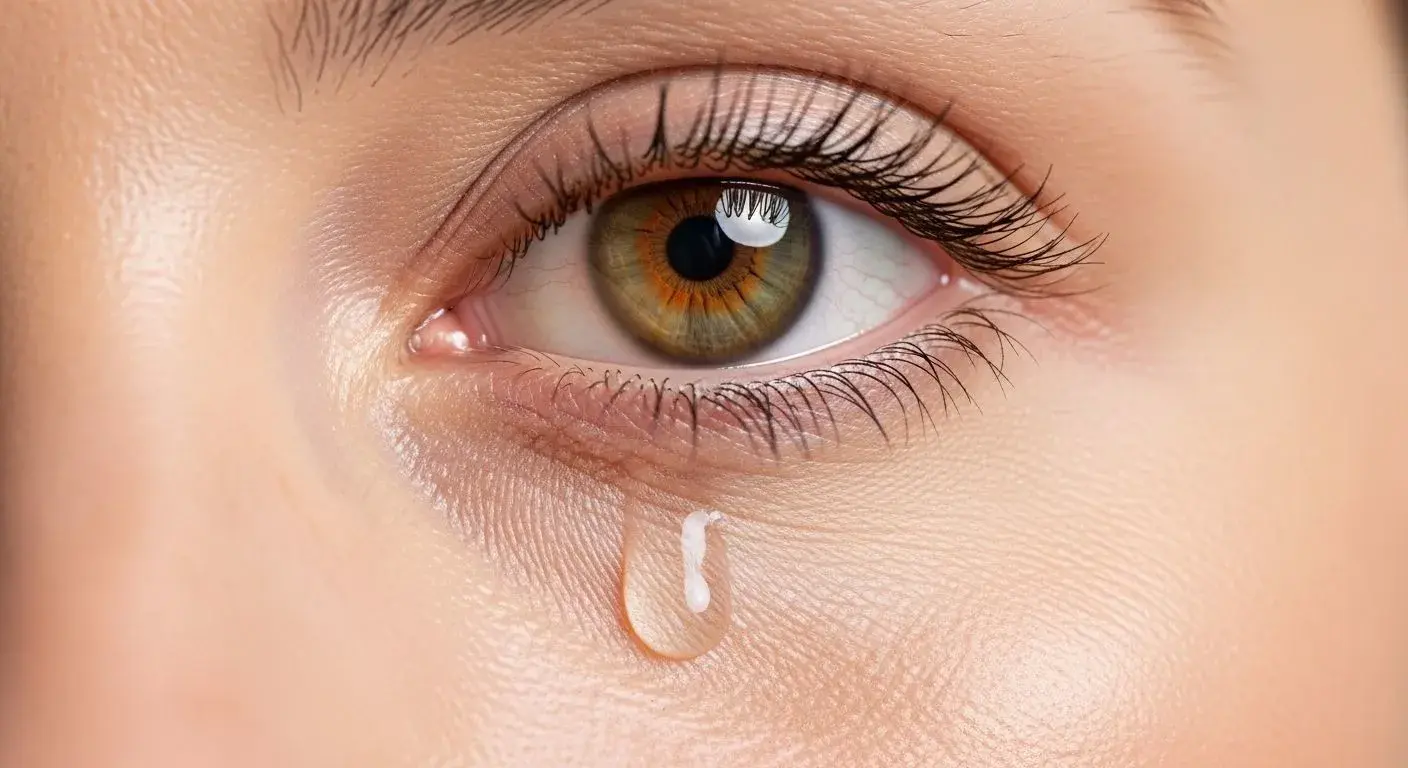
Estrogen receptors exist in multiple eye structures, including the lacrimal glands (which produce tears), the cornea, and the lens. When estrogen fluctuates during perimenopause, tear production and composition can change, leading to dry eye syndrome — one of the primary causes of perimenopausal blurred vision. Dry eyes create an unstable tear film, which scatters incoming light inconsistently and produces intermittent blurry vision, particularly after sustained screen use, reading, or in low-humidity environments.
Beyond dryness, some women experience changes in the shape or thickness of the cornea related to fluid retention fluctuations tied to hormonal cycling. This can subtly shift prescription requirements, which is why contact lenses or glasses that fitted perfectly may suddenly feel wrong during perimenopause — not because of age-related vision decline (though that is also occurring), but because corneal curvature is temporarily changing.
Stress compounds this. The cortisol and adrenaline surges common in perimenopausal women can trigger pupil dilation and eye fatigue, worsening apparent blurriness. Understanding the stress-symptom relationship in this context is explored further in how stress intensifies menopause symptoms.
Common Misunderstandings and the Edge Cases to Know
The most common misconception is that blurry vision during perimenopause is purely age-related and does not require attention. Presbyopia (the age-related loss of near-focus ability) does occur around the same time — but hormonal vision changes have a different quality: they are often intermittent, fluctuate day to day or within a cycle, and improve when the eyes are well-lubricated or rested. If blurriness is consistent and progressive, that points toward refractive change rather than hormonal dry eye.
One case where standard advice fails: women who wear contact lenses are typically told to switch to glasses during a flare. This is correct, but it does not address why episodes are increasing. Treating the underlying dry eye with preservative-free drops, omega-3 supplementation (which improves tear film lipid composition), and humidified air reduces episode frequency — whereas simply switching to glasses manages only the discomfort.
Also note: aura migraines become more common during perimenopause and can cause transient visual disturbances that are sometimes mistaken for eye problems. Visual aura presents as zigzag lines or temporary blind spots, distinct from the blurry or hazy vision of dry eye. If you experience sudden or severe visual changes, particularly alongside headache, prompt medical review is essential.
A sensory overlap worth noting: women who report perimenopausal eye symptoms often simultaneously experience other sensory irritations such as itchy ears during menopause, further pointing to systemic mucosal and sensory sensitivity driven by estrogen decline.
Managing Vision Changes During Perimenopause
First-line management focuses on dry eye relief: preservative-free artificial tears used consistently (not only during episodes) reduce the chronic tear-film instability that causes blurring. Omega-3 fatty acids — EPA and DHA from fish oil, or algal oil for plant-based preference — are supported by optometric research for improving meibomian gland function and tear film quality over 8–12 weeks.
Practical steps that help: the 20-20-20 rule (every 20 minutes of screen use, look at something 20 feet away for 20 seconds) reduces the blink suppression that worsens dry eye. Increasing indoor humidity to 45–55% significantly reduces evaporative tear loss overnight and during screen work.
Annual eye examination is important during perimenopause regardless of symptoms — not to address blurred vision alone, but because estrogen decline is associated with increased risk of glaucoma and macular changes, conditions that benefit from early detection. Tell your optometrist you are perimenopausal; it changes how they interpret their findings and what they monitor.