
Why Perimenopause Shortens the Gap Between Periods
A typical menstrual cycle runs 24–35 days. When cycles shorten — coming every 21 days, or even every 17–18 days — the most common cause in women over 35 is perimenopause. The mechanism is specific: as the ovarian reserve declines, the follicular phase (the time from menstruation to ovulation) shortens. The luteal phase (ovulation to next period) remains relatively stable. The result is a shorter overall cycle, with periods arriving earlier than expected.
This pattern of shortening cycles often precedes the more commonly discussed irregular or missed periods by several years. In early perimenopause, cycles become shorter and more frequent. Later, cycles become erratic — sometimes short, sometimes very long — before eventually stopping.
The hormonal driver is falling inhibin B (produced by the ovarian follicles), which no longer adequately suppresses FSH. Elevated FSH stimulates the remaining follicles more aggressively, causing earlier ovulation and a compressed cycle. This is not just a reproductive change — it is often the first detectable sign that the perimenopausal transition has begun. Managing the stress that often accompanies this phase makes a meaningful difference; see how stress affects menopause and hormonal balance.
Periods Closer Together in Your 30s: When It Is Not Normal
A common misconception is that periods getting closer together in your 30s must be caused by stress, thyroid problems, or a contraceptive change — and not perimenopause, because you are 'too young.' Perimenopause can begin as early as the mid-30s. The SWAN study (Study of Women's Health Across the Nation) found significant hormonal changes up to a decade before the final menstrual period.
That said, shorter cycles in your 30s do have other causes worth ruling out:
- Thyroid dysfunction: Both hypothyroidism and hyperthyroidism can disrupt cycle length — a TSH test distinguishes this from hormonal transition.
- Endometriosis or fibroids: Can cause heavier, more frequent, or more painful periods — though they do not typically shorten cycles in the same pattern.
- Significant weight loss or excessive exercise: These reduce the follicular phase independently of ovarian reserve.
- Hyperprolactinaemia: Elevated prolactin (from a pituitary issue or medication side effect) can disrupt cycle regulation and requires clinical exclusion.
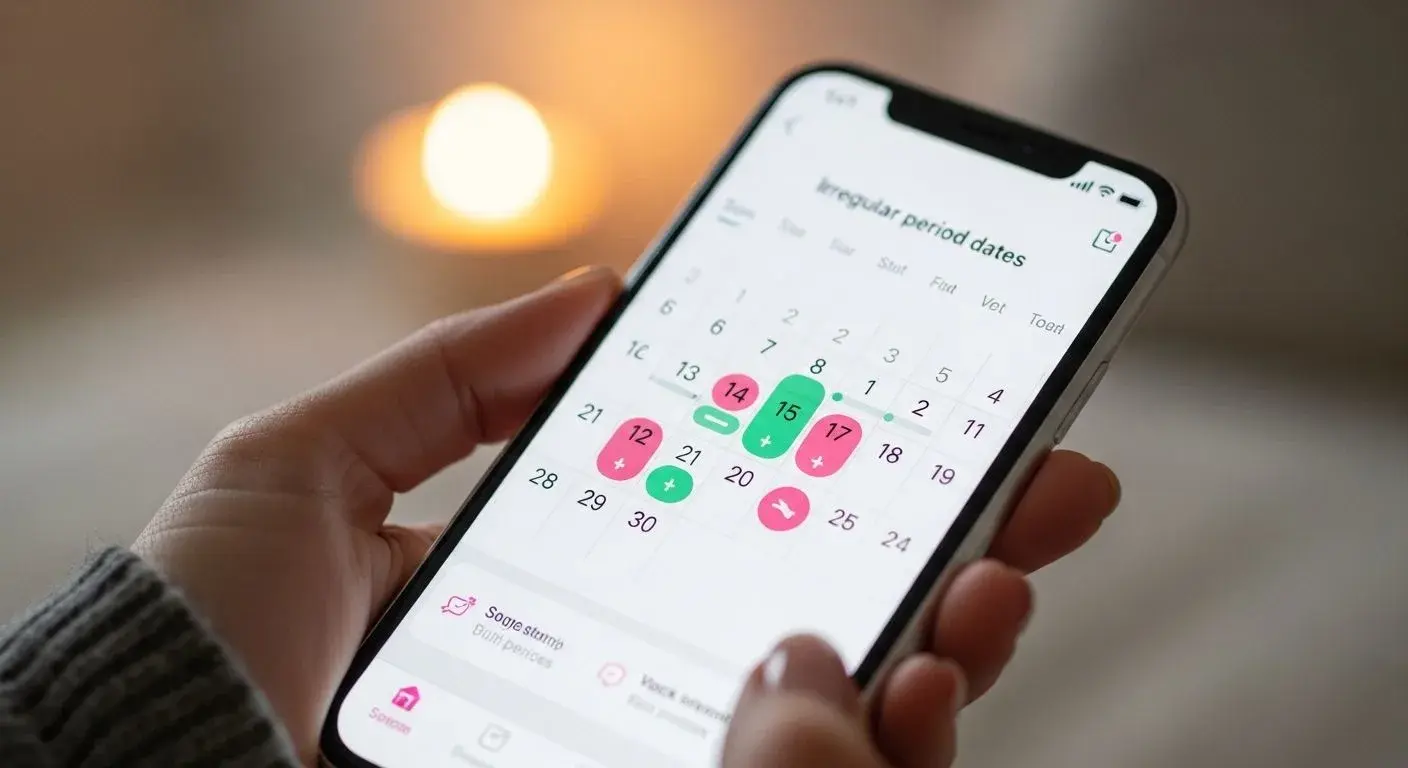
One limitation of standard advice: GPs often recommend cycle tracking apps as the main tool. These detect patterns well but cannot distinguish the cause. If cycles have shortened by more than 5 days compared to your previous average, or if you also experience symptoms such as sleep disruption, mood changes, or sensory symptoms like those explored in menopause sensory symptoms, a hormonal panel (FSH, LH, AMH, oestradiol, TSH) provides meaningful diagnostic information.
What to Do When Your Cycles Are Getting Shorter
If your cycles are shortening, the most useful immediate action is to start detailed tracking. Note cycle length, flow volume, mid-cycle spotting, and any associated symptoms. Six cycles of documented data creates a picture that is clinically useful and hard to dismiss.
From a practical standpoint, heavier or more frequent periods increase iron loss. Women with shortening cycles should pay attention to dietary iron intake and consider testing ferritin levels alongside hormonal panels — low ferritin contributes to fatigue and cognitive symptoms that compound perimenopausal brain fog.
If confirmed as perimenopausal, options include: cyclical HRT (which regulates the hormonal fluctuations causing cycle shortening), the hormonal coil (Mirena, which reduces bleeding without suppressing ovulation), and lifestyle modifications that support hormonal regularity such as stable sleep schedules, reduced alcohol, and strength training — which supports progesterone production through the luteal phase.