
Understanding Hormonal and Age-Related Hair Thinning
Hair thinning linked to hormonal change and biological ageing is mechanistically different from nutritional deficiency or stress-triggered shedding — and requires a different approach to treatment. Understanding which type you are dealing with changes everything about which shampoo will help.
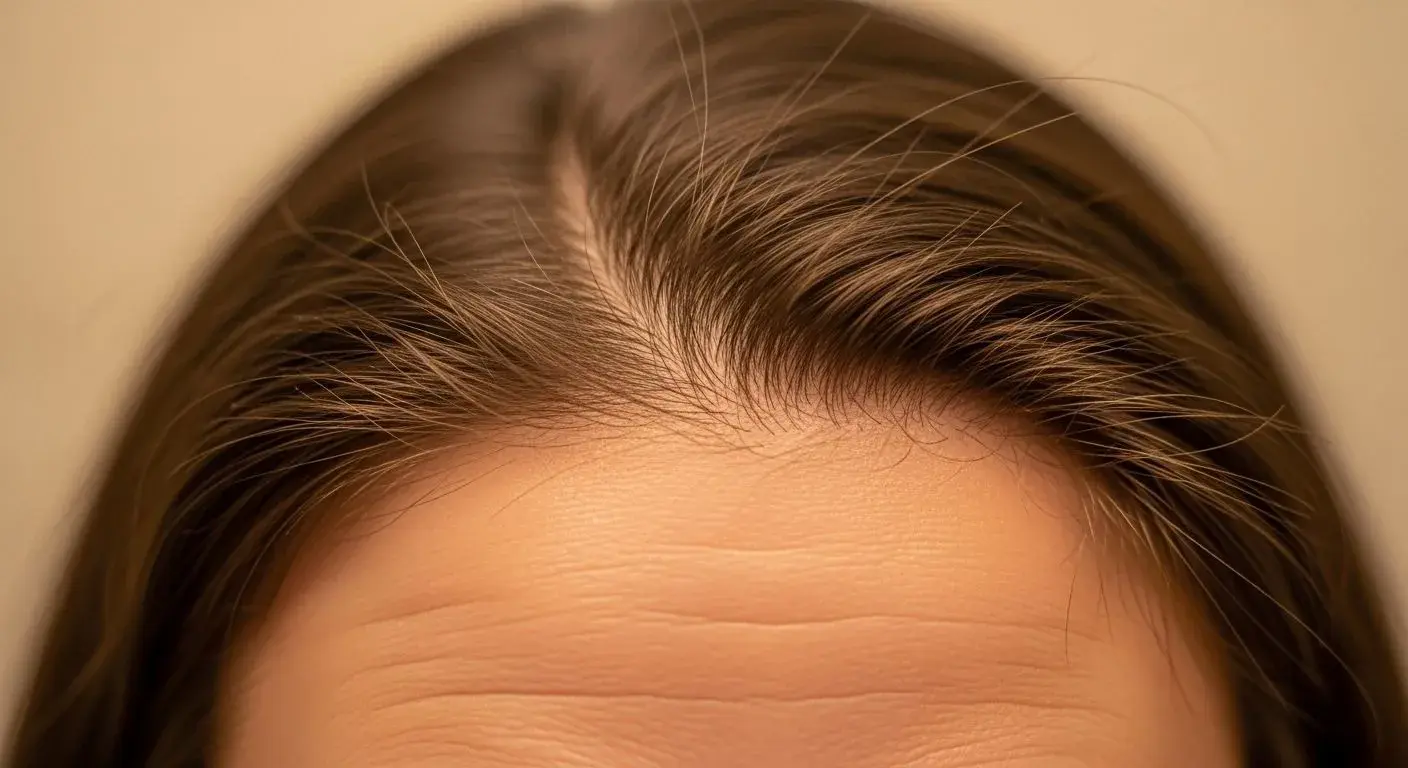
Hormonal hair loss in women (androgenetic alopecia or female pattern hair loss) is driven by androgens — particularly dihydrotestosterone (DHT) — binding to receptors in the hair follicle and shortening the growth phase. During perimenopause, as oestrogen declines, androgens become relatively dominant. The result is a gradual miniaturisation of hair follicles: strands become finer, shorter, and less pigmented over successive cycles. The crown and parting line are most affected.
Age-related thinning (independent of hormones) involves slower follicle cycling, reduced scalp blood flow, and declining production of sebum and growth factors that sustain follicle health. Shampoos targeting this need to support circulation and follicle stimulation rather than (or in addition to) DHT blocking.
Common Myths vs. What Actually Works in Thinning Hair Shampoos
The biggest misconception about thinning hair shampoo is that any 'volumising' formula will help. Most commercial volumising shampoos work by coating the hair shaft with polymers — temporarily making each strand appear fuller. They do not affect the follicle, do not slow miniaturisation, and some contain sulphates and silicones that strip the scalp and clog follicular openings over time, worsening the problem.
A second misconception is that biotin shampoos are effective for hormonal hair loss. Topical biotin has no clinical evidence for scalp absorption in amounts that meaningfully affect follicle function. Biotin matters as an oral supplement (if deficient), not as a shampoo ingredient. Women purchasing expensive biotin shampoos for hormonal loss are largely paying for a marketing claim.
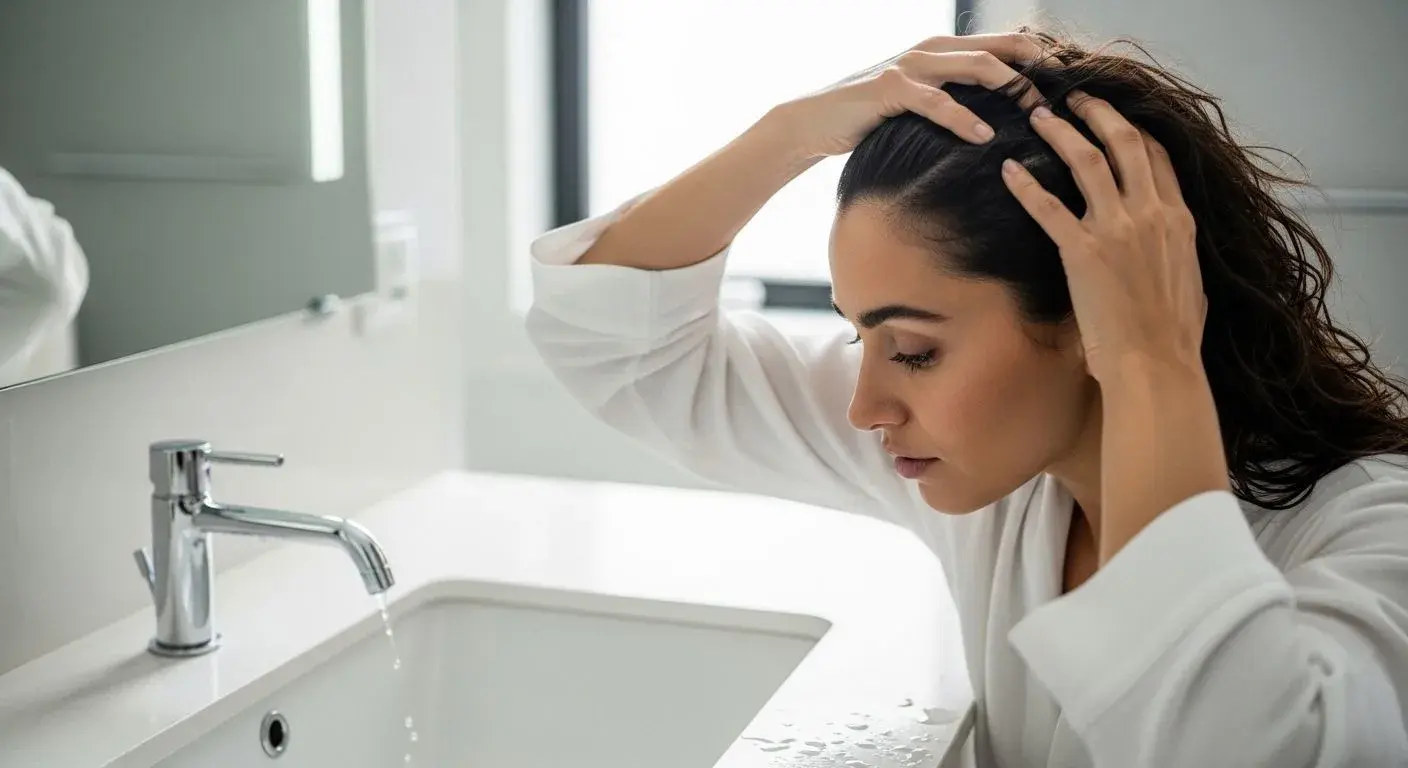
Contradiction between belief and evidence: Many women with thinning hair wash less frequently to 'avoid disturbing follicles'. In practice, infrequent washing allows sebum, DHT metabolites, and dead skin cells to accumulate on the scalp, creating an inflammatory environment that worsens follicle miniaturisation. Gentle daily or every-other-day washing with the right formula supports rather than harms thinning hair.
Practical Strategies: What to Look for in a Shampoo for Hormonal or Mature Thinning Hair
The most effective shampoos for hormonal and age-related hair thinning combine three functions: DHT inhibition at the scalp level, follicle stimulation through improved circulation, and scalp environment optimisation. Look for these evidence-supported ingredients:
- Ketoconazole (1-2%): Originally an antifungal, ketoconazole has robust evidence for reducing scalp DHT levels and slowing follicle miniaturisation. Available in prescription (2%) and OTC (1%) strengths. Use 2-3 times per week, not daily.
- Caffeine: Directly stimulates hair follicle cells and extends the anagen (growth) phase. Alpecin (widely available in the UK) has clinical data supporting this. Needs to remain on the scalp for at least 2 minutes before rinsing to penetrate follicles.
- Niacinamide (vitamin B3): Improves scalp circulation and reduces inflammation, both of which support follicle health. Also beneficial for the scalp barrier — useful for women who have an itchy or flaky scalp alongside thinning.
- Saw palmetto extract: A natural 5-alpha reductase inhibitor that reduces DHT conversion at the follicle. Has emerging evidence in topical form; more established as an oral supplement.
- Salicylic acid (low concentration, 0.5-1%): Gently exfoliates the scalp, clearing sebum plugs and creating a cleaner follicular environment. Do not confuse with a dandruff treatment — low-concentration scalp exfoliation is appropriate for all thinning hair types.
Avoid: sodium lauryl sulphate (SLS) as the primary cleanser (SLS strips the scalp lipid barrier and can trigger reactive inflammation), silicones that are not water-soluble (they build up on fine hair and clog follicles), and heavy oils in the shampoo itself (save these for post-wash treatment).
When Shampoo Is Not Enough: The Full Picture of Hormonal Hair Loss Treatment
Shampoo alone cannot reverse established hormonal hair loss — it is a supportive intervention, not a treatment. The most effective approach combines scalp-focused shampoo with topical minoxidil (the only topically applied treatment with strong clinical evidence for female pattern loss), oral supplementation (iron if deficient, zinc, and vitamin D), and hormonal management where indicated.
When standard advice fails: Women with perimenopausal hair loss who start HRT sometimes find that thinning worsens initially before improving. This occurs because some HRT formulations contain progestogens with androgenic activity (notably norethisterone) that can exacerbate DHT-driven follicle miniaturisation. Switching to a HRT formulation with a less androgenic progestogen (such as micronised progesterone) often resolves this. Discuss options with a menopause specialist rather than abandoning HRT entirely.
The best approach is a consistent one: the right shampoo used correctly, supported by scalp massage, appropriate nutrition, and hormonal management where relevant. Women who see the best results are those who treat the scalp as an organ requiring care — not just a surface to clean.