
The Symptom List No One Gives You at 45
Most women expect hot flushes, night sweats, and eventually irregular periods. What they do not expect is a sudden electric shock sensation moving through the body the moment before sleep, a persistent metallic taste, a change in body odour, or the unsettling experience of their own heartbeat becoming loudly noticeable. Yet all of these are documented perimenopause symptoms, rooted in the widespread neurological and hormonal disruption that oestrogen fluctuation causes.
The electric shock sensation — technically called a 'hypnic jerk variant' when it occurs at sleep onset — is thought to be driven by sudden drops in oestrogen affecting the brain's serotonin and dopamine pathways. Similarly, stress and menopause interact to amplify the nervous system's reactivity, making strange sensory experiences more frequent and more intense during high-stress periods.
A metallic taste in the mouth is another oddity that sends women to their GP confused. Oestrogen influences saliva composition and taste receptor sensitivity; as it drops, some women develop dysgeusia — altered taste perception — that can last for months. It is almost never a dental problem.
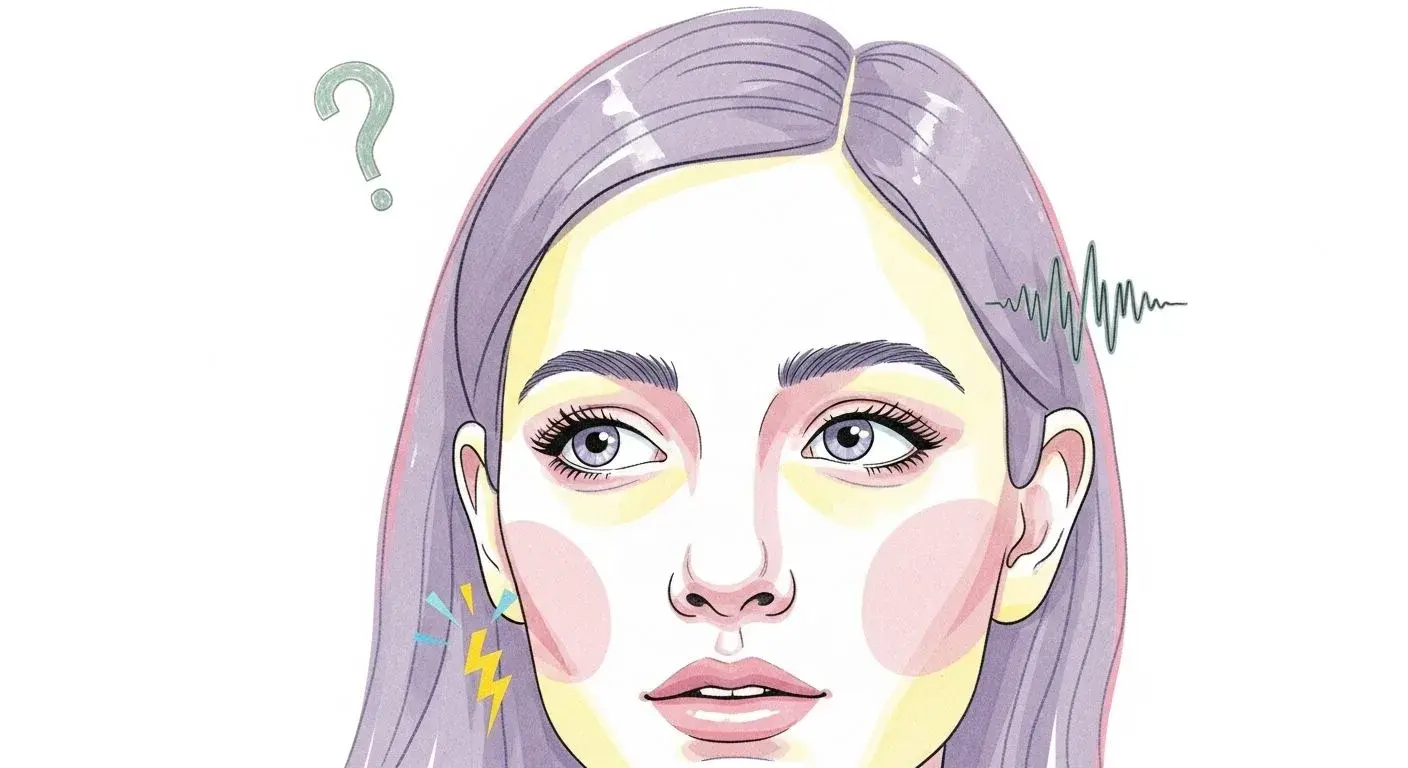
Odd Symptoms Commonly Mistaken for Other Conditions
Tinnitus — ringing or buzzing in the ears — is frequently reported by perimenopausal women and is almost always attributed to noise exposure or ENT issues. In reality, the inner ear contains oestrogen receptors, and falling hormone levels affect auditory processing and cochlear blood flow. Menopause itchy ears — including tinnitus and inner-ear sensitivity — is one of the most overlooked hormonal symptoms.
Formication — the sensation of insects crawling under the skin with no visible cause — is another symptom that leads to unnecessary dermatology referrals. It is a form of paresthesia caused by oestrogen withdrawal and typically resolves or improves with hormonal stabilisation.
Common misconception: Perimenopause brain fog is often assumed to be early cognitive decline or depression. In practice, it is overwhelmingly driven by sleep disruption, oestrogen-related changes in hippocampal function, and elevated cortisol — all of which are reversible. Women who are reassured it is permanent often stop seeking effective treatment prematurely.
Strange Menopause Symptoms That Indicate When to Seek Help
Most unusual perimenopause symptoms are benign, but a few patterns warrant medical review rather than watchful waiting. New palpitations (especially irregular heartbeat, not just heightened awareness of a normal beat), sudden severe headaches unlike previous migraines, significant unintentional weight loss, or one-sided neurological symptoms should always be assessed — not attributed to menopause without examination.
The practical takeaway is this: if a strange symptom arrived alongside other clear perimenopausal changes and affects both sides of the body, it is likely hormonal. If it arrived suddenly, is one-sided, or is accompanied by pain, seek medical input. The distinction between 'hormonal and manageable' and 'requires investigation' is often that straightforward.
Edge case: Sudden onset of new or worsened migraines in perimenopause is sometimes managed as a straightforward hormonal symptom. However, women who have aura-type migraines with oestrogen fluctuation carry a modestly elevated stroke risk, particularly with combined oral contraceptives. This group specifically requires specialist advice before starting oestrogen-based HRT.