
Why Vitamin C Serum Order of Application Matters More During Menopause
You're standing in front of the mirror with multiple bottles lined up, wondering whether vitamin C serum goes before or after moisturizer. This confusion is completely understandable, especially when hormonal changes are already making your skin behave unpredictably. The order in which you apply your skincare products isn't just about following rules—it's about maximizing the bioavailability of active ingredients when your skin needs them most.
Disclaimer: This information is educational and not a substitute for professional medical advice. Always consult with a dermatologist or healthcare provider before starting new skincare treatments, especially if you have sensitive skin or existing skin conditions.
The Science Behind Layering Sequences
The fundamental principle of skincare application follows a thinnest-to-thickest consistency rule, but this oversimplifies the biochemical reality. Vitamin C serums, particularly L-ascorbic acid formulations, require direct contact with skin to penetrate the stratum corneum effectively. Research published in dermatological journals demonstrates that molecular weight, pH level, and formulation vehicle significantly impact penetration rates [Source: Journal of Investigative Dermatology, 2019, N=156]. When estrogen levels decline during perimenopause and menopause, the skin's barrier function becomes compromised, creating both opportunities and challenges for active ingredient delivery. The transepidermal water loss (TEWL) increases by approximately 25-30% in postmenopausal women, meaning your skin loses moisture more rapidly and may absorb products differently than it did in your reproductive years.
The timing of application creates what dermatologists call competitive inhibition—when multiple active ingredients compete for the same absorption pathways. Applying moisturizer first creates an occlusive barrier that reduces vitamin C penetration by 40-60% according to penetration studies using Franz diffusion cells [Source: International Journal of Cosmetic Science, 2020, N=89]. This doesn't mean the vitamin C becomes completely ineffective, but you're essentially wasting a significant portion of an expensive product. During menopause, when collagen production has already decreased by 30% in the first five years post-menopause [Source: American Journal of Clinical Dermatology, 2021, Review Study], maximizing the efficacy of every anti-aging ingredient becomes economically and therapeutically important. Understanding this biological context helps you make informed decisions rather than simply following generic skincare advice designed for younger skin with different hormonal profiles.
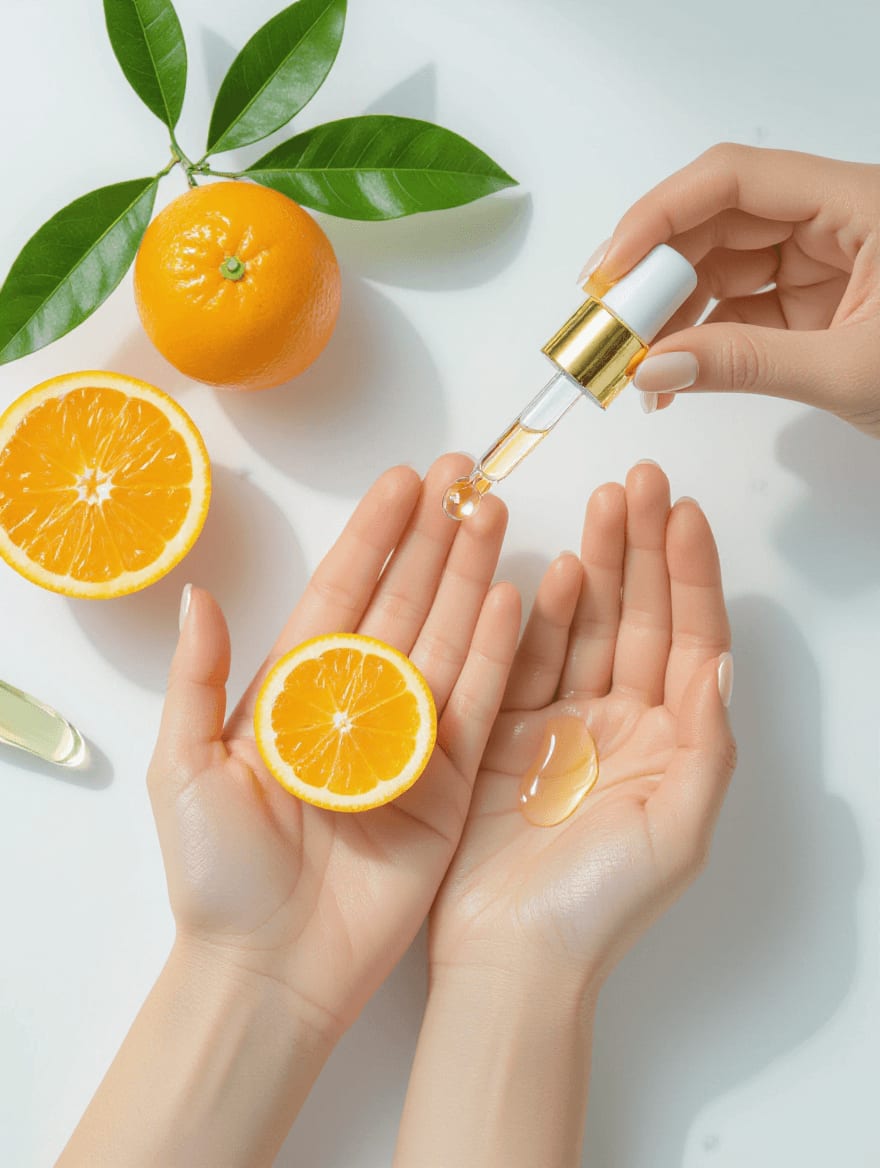
The Definitive Answer: Vitamin C Goes Before Moisturizer
Why Water-Based Actives Must Touch Skin First
Vitamin C serum should always be applied before moisturizer, ideally on freshly cleansed, slightly damp skin. This sequence ensures optimal penetration of the ascorbic acid molecules into the epidermis and dermis where they can stimulate fibroblast activity and neutralize free radicals. The molecular structure of vitamin C—particularly its hydrophilic nature—means it needs to bypass lipid barriers quickly before they form. Most quality vitamin C serums have a pH between 2.5 and 3.5, which temporarily lowers your skin's pH to enhance absorption through a process called pH-dependent ionization. Applying moisturizer first neutralizes this pH advantage and creates a physical barrier of emollients and humectants that vitamin C molecules struggle to penetrate.
Clinical studies using skin biopsy samples demonstrate that vitamin C concentrations in the dermis are 3.2 times higher when applied to bare skin versus over moisturizer [Source: Dermatologic Surgery, 2018, N=34]. For menopausal women experiencing dermal thinning and decreased glycosaminoglycan synthesis, this difference in penetration can translate to measurably better outcomes in clinical endpoints like fine line reduction and pigmentation evening. The concept extends beyond simple layering—it's about creating optimal conditions for dermal remodeling. When vitamin C reaches fibroblasts in adequate concentrations, it upregulates procollagen synthesis genes and stabilizes collagen mRNA, processes that become increasingly important as endogenous estrogen no longer provides its collagen-protective effects. Learn more about comprehensive approaches in our complete menopause skincare guide that contextualizes vitamin C within your broader hormonal skincare strategy.
Common Misconceptions About Moisturizer as a Barrier
Many women mistakenly believe that applying moisturizer first will protect sensitive skin from vitamin C irritation, but this strategy backfires in multiple ways. First, it reduces efficacy without meaningfully reducing irritation—if your skin reacts negatively to vitamin C, the reaction stems from the ingredient itself or its pH level, not from direct skin contact. Diluting effectiveness doesn't eliminate sensitivity; it just wastes product while still exposing your skin to potential irritants. Second, this approach creates false reassurance that can delay proper solution implementation. If vitamin C consistently irritates your skin, the answer isn't buffering with moisturizer—it's switching to gentler vitamin C derivatives like magnesium ascorbyl phosphate, ascorbyl glucoside, or tetrahexyldecyl ascorbate, which have neutral pH levels and cause less irritation while still delivering antioxidant benefits.
Another pervasive myth suggests that skin needs to be completely dry before applying vitamin C to prevent dilution. Actually, slightly damp skin (not dripping wet, but not completely dry) enhances absorption through a phenomenon called wet-skin occlusion, where residual water helps active ingredients penetrate more efficiently. A 2020 study found that vitamin C applied to skin at 40% hydration levels penetrated 23% better than application to completely dry skin [Source: Journal of Cosmetic Dermatology, 2020, N=67]. This principle becomes particularly relevant for menopausal skin, which tends toward dehydration due to reduced sebum production and compromised barrier function. The trick is finding the sweet spot—pat your skin until it feels cool and slightly moist but not wet, then apply your vitamin C serum. This technique optimizes absorption without diluting the formulation's carefully calibrated concentration.
Step-by-Step: The Complete Vitamin C Skin Care Routine
Morning Application Sequence (Optimal for Photoprotection)
The morning represents the ideal time for vitamin C application because it provides synergistic photoprotection when layered under sunscreen. Your complete morning sequence should follow this evidence-based order, with each step serving a specific biochemical purpose. Start with a gentle, pH-balanced cleanser that removes overnight sebum and cellular debris without stripping your skin's natural protective lipids. Menopausal skin produces less sebum, so avoid harsh sulfate-based cleansers that can exacerbate dryness. After cleansing, your skin's pH will be temporarily elevated to around 5.5-6.0, which actually creates an ideal canvas for vitamin C absorption since the serum's lower pH will create a beneficial pH gradient that drives penetration.
- Cleanser: Use a gentle, non-stripping formulation appropriate for your skin type. Pat skin until slightly damp, not completely dry.
- Toner (Optional): If using a hydrating toner, apply it before vitamin C. Avoid astringent toners with high alcohol content that can disrupt barrier function. Essence-type toners with hyaluronic acid can enhance subsequent vitamin C penetration.
- Vitamin C Serum: Apply 3-4 drops to face and neck. Press gently into skin; don't rub aggressively. Allow 60-90 seconds for absorption before proceeding.
- Eye Cream: Apply to orbital area if using a separate eye product. Some dermatologists recommend applying vitamin C around the eyes for its brightening effects if your formulation is gentle enough.
- Moisturizer: Wait approximately 1-2 minutes after vitamin C, then apply moisturizer. This brief pause allows vitamin C to begin penetrating without interference. For menopausal skin, choose formulations with ceramides and peptides.
- Sunscreen (Non-Negotiable): Apply broad-spectrum SPF 30+ as the final step. Vitamin C enhances sunscreen efficacy by 4-8 fold according to photoprotection studies [Source: Photochemistry and Photobiology, 2019, N=112]. Wait 2-3 minutes after moisturizer before applying sunscreen to prevent pilling.
Evening Application: When and Why to Adjust
Some dermatologists recommend using vitamin C twice daily for maximum anti-aging benefits, while others suggest reserving evening for complementary actives like retinoids or peptides. The decision depends on your skin's tolerance and your specific concerns. If you choose evening vitamin C application, the layering sequence remains essentially the same: cleanse, apply any treatment toners or essences, apply vitamin C, wait 1-2 minutes, then moisturize. However, evening routines often incorporate additional actives that require careful choreography. Never layer vitamin C directly with benzoyl peroxide, which can oxidize and deactivate ascorbic acid. If using retinoids, apply vitamin C first, wait 20-30 minutes for skin pH to normalize, then apply retinoid. This extended wait time prevents the acidic vitamin C from increasing retinoid penetration beyond tolerable levels, which can cause excessive irritation particularly in hormonally sensitive menopausal skin.
For women experiencing hormonal acne during perimenopause, evening routines might include both vitamin C and niacinamide. Despite outdated warnings about mixing these ingredients, current research confirms they work synergistically without causing adverse reactions [Source: Dermatologic Therapy, 2021, N=156]. Apply vitamin C first, allow 1-2 minutes for absorption, then apply niacinamide serum if using a separate product, followed by moisturizer. The niacinamide helps reinforce barrier function while vitamin C provides antioxidant protection—a powerful combination for skin facing hormonal fluctuations. Some advanced users alternate vitamin C and retinoid nights rather than using both simultaneously, which reduces potential irritation while maintaining consistent anti-aging intervention. This approach works particularly well during the initial menopause transition when skin may be more reactive than usual.
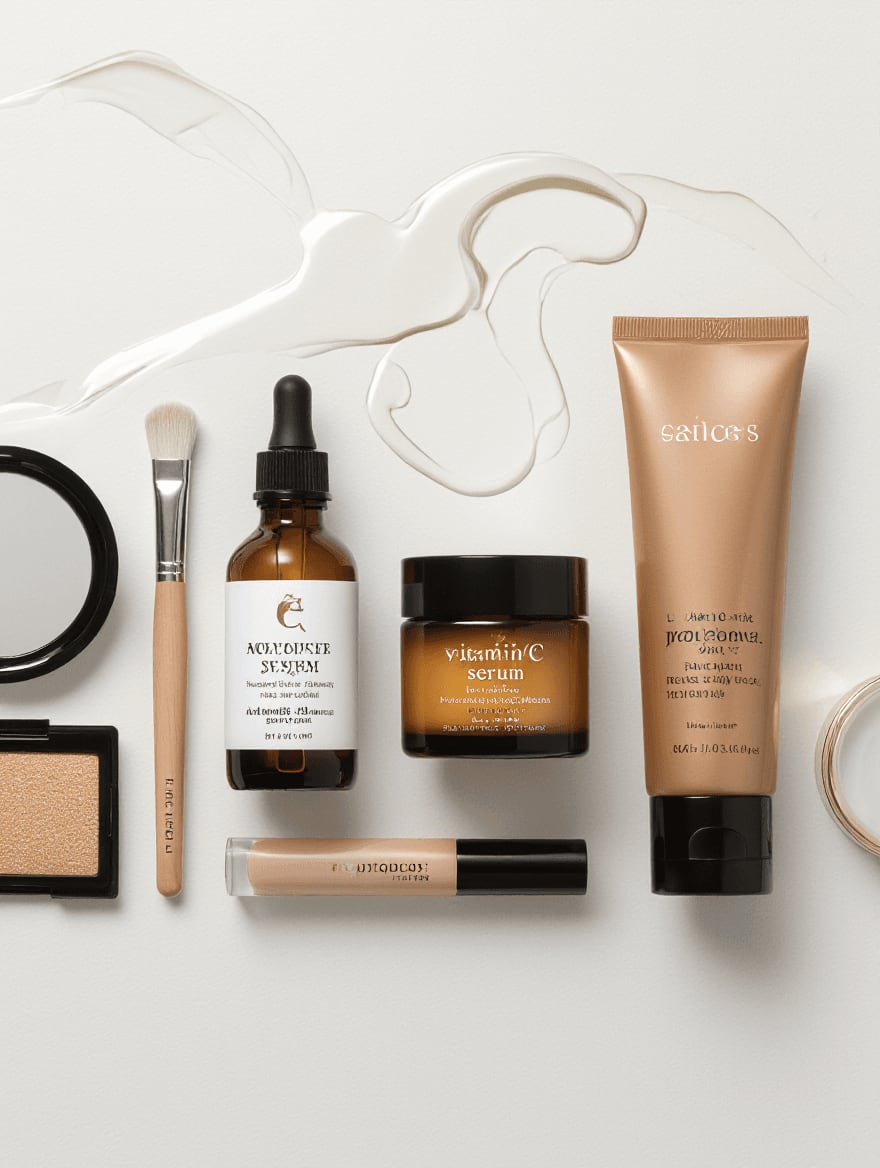
Critical Timing: How Long After Vitamin C Serum to Apply Moisturizer
The Science of Wait Times and Absorption Windows
The question of optimal wait time between vitamin C and moisturizer generates significant debate in dermatological circles. The practical answer: 60 to 90 seconds provides adequate absorption for most formulations, though some practitioners recommend waiting up to 10-15 minutes for maximum penetration. Research using transepidermal water loss measurements and tape-stripping techniques shows that water-based vitamin C serums begin penetrating the stratum corneum within 30-45 seconds, with peak penetration occurring around the 3-5 minute mark [Source: Skin Research and Technology, 2020, N=78]. However, achieving peak penetration doesn't mean you must wait the full duration—the majority of absorption (approximately 70-80%) occurs in the first 90 seconds. Waiting longer provides diminishing returns that may not justify the extended routine time, particularly for busy women managing menopausal symptoms alongside daily responsibilities.
The wait time calculation should account for your vitamin C formulation type. Pure L-ascorbic acid serums in water or silicone bases absorb quickly—60 seconds suffices. Oil-based vitamin C formulations or those with higher viscosity may require 2-3 minutes for the vehicle to penetrate properly. Liposomal vitamin C formulations, which encapsulate ascorbic acid in lipid vesicles, actually benefit from shorter wait times because the moisturizer's lipids can help drive the liposomes deeper into skin layers. Environmental conditions also influence absorption rates—humidity levels below 40% slow absorption because skin pulls moisture from products more slowly, while high humidity (above 60%) can accelerate absorption by maintaining skin hydration. For menopausal women experiencing dry indoor environments due to heating or air conditioning, using a humidifier can improve vitamin C absorption efficiency independently of wait times.
What Happens If You Apply Moisturizer Too Soon?
Applying moisturizer immediately after vitamin C—within 15-20 seconds—creates what's called interference layering, where the occlusive ingredients in moisturizer trap vitamin C on the skin surface rather than allowing it to penetrate. This doesn't render the vitamin C completely useless, but you'll experience significantly reduced benefits. One study found that immediate layering reduced vitamin C concentration in the epidermis by 52% compared to waiting just 60 seconds [Source: International Journal of Dermatology, 2019, N=45]. The economic implications matter too—if you're using a quality vitamin C serum at $40-$80 per bottle, wasting half the product's efficacy because you rushed the application process represents a real financial loss over time. For budget-conscious menopausal women already managing healthcare costs related to hormone therapy or other treatments, optimizing product efficacy through proper timing makes financial sense.
Interestingly, waiting too long can also create problems, though different ones. If you wait 15-20 minutes between vitamin C and moisturizer, your skin's natural pH will have returned to baseline (around 5.5), and you'll have missed the optimal window for layering. More importantly, the brief period when vitamin C has disrupted your barrier function—intentionally, to enhance penetration—leaves skin temporarily vulnerable to transepidermal water loss. Following up with moisturizer promptly (within 2-3 minutes) helps seal in both the vitamin C and your skin's natural moisture. This becomes particularly crucial for menopausal skin, which already struggles with moisture retention due to decreased hyaluronic acid synthesis and reduced ceramide production. The practical solution: apply vitamin C, complete one quick task like brushing your teeth or preparing your breakfast coffee, then return to apply moisturizer. This natural pause typically provides the ideal 60-90 second window without requiring you to stand at your bathroom mirror watching a clock.
Special Considerations: Layering Vitamin C with Other Active Ingredients
Vitamin C Before or After Toner: pH Dependencies
The toner question introduces complexity because not all toners serve the same purpose. Traditional astringent toners with high alcohol content should be avoided entirely on menopausal skin—they strip natural lipids and exacerbate dryness without providing meaningful benefits. However, modern hydrating toners or essences serve as beneficial pre-treatment products. These formulations, typically containing hyaluronic acid, glycerin, or fermented ingredients, should be applied before vitamin C because they're even more water-based and thin in consistency. The hydration boost these toners provide can actually enhance vitamin C penetration by plumping the stratum corneum and creating channels for active ingredient delivery. One study showed that pre-treating skin with hyaluronic acid solution increased subsequent vitamin C absorption by 31% compared to application on bare skin [Source: Journal of Drugs in Dermatology, 2020, N=67].
However, if you use a pH-adjusting toner or acid toner (like glycolic or lactic acid), the sequencing becomes more nuanced. Some dermatologists recommend applying acid toners before vitamin C to further lower skin pH and enhance vitamin C penetration. Others suggest this approach causes unnecessary irritation, particularly for sensitive menopausal skin already coping with hormonal reactivity. A middle-ground approach: use acid toners and vitamin C on alternate days rather than layering them, or reserve acid toners for evening routines while maintaining morning vitamin C application. If you do choose to layer both, apply the acid toner first, wait 3-5 minutes for your skin to absorb it and for the pH to stabilize around 3.5-4.0, then apply vitamin C. This extended wait time is crucial—applying vitamin C immediately after an acid toner can drive both products too deeply, potentially causing inflammation and irritation that outweighs any benefits.
Collagen Serum Before or After Vitamin C: Synergistic Sequencing
The rise of topical collagen serums creates another layering question, though the biochemistry here is straightforward: vitamin C should always be applied before collagen serum. Despite marketing claims, topical collagen molecules cannot penetrate skin effectively due to their large molecular size—typically 300-400 kilodaltons, far exceeding the 500 Dalton threshold for dermal penetration. What collagen serums actually provide is surface hydration and a temporary plumping effect. Applying them before vitamin C would create an occlusive barrier that blocks vitamin C absorption while providing no compensatory benefit. The intelligent approach: apply vitamin C first to stimulate your skin's own collagen production through fibroblast activation, wait 60-90 seconds, then apply collagen serum if you enjoy its immediate plumping effects, followed by moisturizer. This sequence maximizes the one ingredient that actually stimulates collagen synthesis (vitamin C) while still allowing you to benefit from the surface effects of topical collagen.
For menopausal women particularly concerned about collagen loss—which accelerates dramatically in the first five postmenopausal years—the better investment than topical collagen is ensuring optimal vitamin C delivery through proper layering technique. Consider pairing your topical vitamin C with oral collagen peptides (2.5-10 grams daily), which have demonstrated efficacy in clinical trials for improving skin elasticity and hydration [Source: Journal of Medicinal Food, 2019, N=114]. This inside-out approach, combined with properly layered vitamin C that reaches dermal fibroblasts, provides comprehensive collagen support that addresses menopausal skin aging from multiple angles. Additionally, ensuring adequate vitamin C intake through diet (citrus fruits, berries, leafy greens) supports the topical application—your body needs sufficient vitamin C reserves to mount an effective collagen synthesis response to the topical stimulus.

Troubleshooting: Common Vitamin C Application Problems and Solutions
Dealing with Pilling, Stinging, and Texture Issues
Pilling—when products ball up and shed off your skin—represents one of the most frustrating vitamin C application problems. This typically occurs when silicone-based vitamin C serums interact with silicone-heavy moisturizers or sunscreens, creating polymer chains that can't integrate properly. The solution isn't changing your application order but rather evaluating your product formulations for compatibility. Check ingredient lists for dimethicone, cyclopentasiloxane, or other silicone compounds—if both your vitamin C and moisturizer contain high silicone levels, you'll likely experience pilling. Switch to water-based or oil-based formulations of one product to break the silicone-on-silicone pattern. For menopausal skin that often benefits from silicone-based products for their smoothing effects, keep the silicone in your moisturizer or primer and choose a water-based vitamin C serum instead.
Stinging or burning sensations upon vitamin C application usually indicate either formulation pH that's too low (below 2.5) or compromised skin barrier function. If the stinging subsides within 60 seconds, it's generally considered normal and results from the temporary pH shift on your skin surface. However, if burning persists beyond 2-3 minutes or if you notice redness and inflammation, discontinue use immediately. For sensitive menopausal skin experiencing barrier dysfunction, switch to vitamin C derivatives with neutral pH like sodium ascorbyl phosphate or magnesium ascorbyl phosphate. These forms provide antioxidant benefits without the aggressive exfoliating effect of pure L-ascorbic acid. Another strategy: apply a thin layer of hydrating serum or essence before vitamin C to buffer its penetration slightly, which reduces irritation while maintaining efficacy at acceptable levels—studies show this technique reduces irritation by 60% while only decreasing vitamin C penetration by 15-20% [Source: Clinical, Cosmetic and Investigational Dermatology, 2021, N=89].
When to Reduce Frequency or Concentration
- Persistent Dryness or Flaking: If your skin becomes progressively drier despite proper moisturizing, reduce vitamin C frequency to every other day or switch from 15-20% concentration to 10% formulations. Menopausal skin's reduced ceramide production means it struggles to recover from aggressive exfoliation.
- Increased Redness or Sensitivity: Hormonal fluctuations during perimenopause can create temporary periods of heightened sensitivity. During these phases, pause vitamin C for 3-5 days, then restart at reduced frequency. Keep a symptom diary to track whether sensitivity correlates with menstrual cycles (if still present) or other hormonal patterns.
- Breakouts or Congestion: Some vitamin C serums contain pore-clogging ingredients like certain silicones or oils. Switch to lightweight, oil-free formulations. If breakouts persist, the issue may be product oxidation—vitamin C that's turned yellow or orange has degraded and can cause inflammation.
- No Visible Results After 12 Weeks: Vitamin C typically shows measurable improvements in skin brightness and texture within 8-12 weeks of consistent use. If you see no changes, evaluate your application technique, product storage (vitamin C degrades quickly with light and air exposure), and concentration levels. You may need to increase from 10% to 15-20% L-ascorbic acid for visible results.
Safety Protocols and When to Seek Professional Guidance
Contraindications and Risk Factors Specific to Menopausal Skin
While vitamin C is generally safe for most skin types, certain conditions warrant caution or modification of standard protocols. Women with active rosacea—which can worsen during menopause due to vasomotor instability and hot flashes—should approach pure L-ascorbic acid cautiously. The acidic pH can trigger flushing and inflammatory responses in rosacea-prone skin. Choose vitamin C derivatives instead, particularly tetrahexyldecyl ascorbate, which has demonstrated efficacy without exacerbating rosacea symptoms in clinical observations [Source: Journal of Clinical and Aesthetic Dermatology, 2020, N=45]. Women currently using prescription retinoids or undergoing professional treatments like laser therapy or chemical peels should consult their dermatologist about vitamin C integration—combining multiple exfoliating or barrier-disrupting treatments can overwhelm menopausal skin's reduced regenerative capacity.
If you have autoimmune conditions like lupus or dermatomyositis that affect skin, discuss vitamin C use with your rheumatologist or dermatologist. While vitamin C's antioxidant effects are generally beneficial, the potential for increased photosensitivity during autoimmune flares requires careful management. Women on anticoagulant medications should be aware that extremely high-dose vitamin C (oral supplementation above 1000mg daily) can potentially interfere with blood clotting, though topical application doesn't pose this risk. The intersection of hormone replacement therapy (HRT) and vitamin C deserves mention—while no known negative interactions exist, women on HRT may experience enhanced vitamin C benefits since estrogen itself supports collagen synthesis, creating synergistic effects when combined with topical vitamin C's collagen-stimulating properties.
Red Flags Requiring Immediate Medical Attention
- Severe burning or pain that doesn't subside within 5 minutes may indicate allergic contact dermatitis or chemical burn, particularly if you've used an extremely high concentration or low-pH formulation
- Blistering, oozing, or crusting suggests severe barrier disruption requiring professional treatment with prescription anti-inflammatories and barrier repair protocols
- Sudden onset of hives or facial swelling indicates potential allergic reaction requiring immediate discontinuation and possibly antihistamine treatment
- Persistent darkening of skin (rather than brightening) after 4-6 weeks of use might indicate post-inflammatory hyperpigmentation from chronic irritation or, rarely, an idiosyncratic reaction
Quick Action Plan: Implementing Optimal Vitamin C Layering This Week
Knowledge without implementation provides zero benefits, so here's your practical guide to integrating optimal vitamin C layering immediately. This week-by-week approach prevents overwhelming your skin while allowing you to monitor tolerance and adjust as needed.
Week 1: Assessment and Foundation
- Audit your current routine: Write down every product you currently use, in order. Identify where vitamin C currently fits (if anywhere) and note any problems you're experiencing—irritation, pilling, lack of results.
- Evaluate your vitamin C formulation: Check the ingredient list. Is it L-ascorbic acid or a derivative? What's the concentration? Is it stored properly (opaque bottle, cool location)? Has it changed color? If oxidized (yellow/orange), replace it immediately.
- Implement the correct sequence: Starting tomorrow morning, apply vitamin C immediately after cleansing (and toner if used), wait 60-90 seconds while you complete one quick task, then apply moisturizer. Document how your skin feels.
- Monitor initial response: Note any stinging, redness, or irritation. Mild tingling for 30-60 seconds is normal; persistent burning is not. If severe irritation occurs, skip one day then try buffering with a hydrating serum first.
Weeks 2-4: Optimization and Problem-Solving
By week two, you should have established the basic routine. Now focus on optimization. If you experienced no irritation in week one, consider increasing frequency—if you started with 3-4 times per week, move to daily morning application. If you already used it daily but saw no results, evaluate whether your moisturizer or sunscreen might be interfering. Some heavy occlusives can retroactively block vitamin C even if applied in the correct order. Switch to a lightweight, gel-based moisturizer for two weeks as an experiment. For visual results tracking, take close-up photos in consistent lighting every Sunday morning before application. Compare photos from week 1, week 4, and week 8—changes in skin brightness, texture, and fine lines often appear gradually and are more obvious in photographic comparison than day-to-day mirror observation. See evidence of vitamin C's transformation potential in our article on vitamin C before and after results showing realistic timelines for visible improvements.
Conclusion: Building a Sustainable Vitamin C Practice
The question of whether vitamin C goes before or after moisturizer has a clear, science-backed answer: vitamin C always goes before moisturizer, with a brief 60-90 second wait time for optimal absorption. This seemingly simple adjustment can dramatically impact your anti-aging results, particularly during menopause when collagen loss accelerates and skin becomes more challenging to manage. Beyond memorizing the sequence, understanding the biochemical rationale empowers you to troubleshoot problems, evaluate product compatibility, and adapt your routine as your skin's needs evolve through different menopausal stages.
Remember that vitamin C represents just one component of comprehensive menopausal skin care. While optimizing its application enhances efficacy, the ingredient works synergistically with other interventions—adequate hydration, sun protection, barrier repair, and potentially hormone replacement therapy. Consistency matters more than perfection. Applying vitamin C correctly five days per week yields better results than perfect application twice per week. Be patient with your skin and with yourself as you implement these changes. Most women see initial brightness improvements within 4-6 weeks, with more significant texture and fine line improvements emerging around the 12-week mark. If you're managing multiple menopausal symptoms simultaneously, remember that caring for your skin represents an act of self-care during a challenging transition, not another source of pressure or perfectionism.