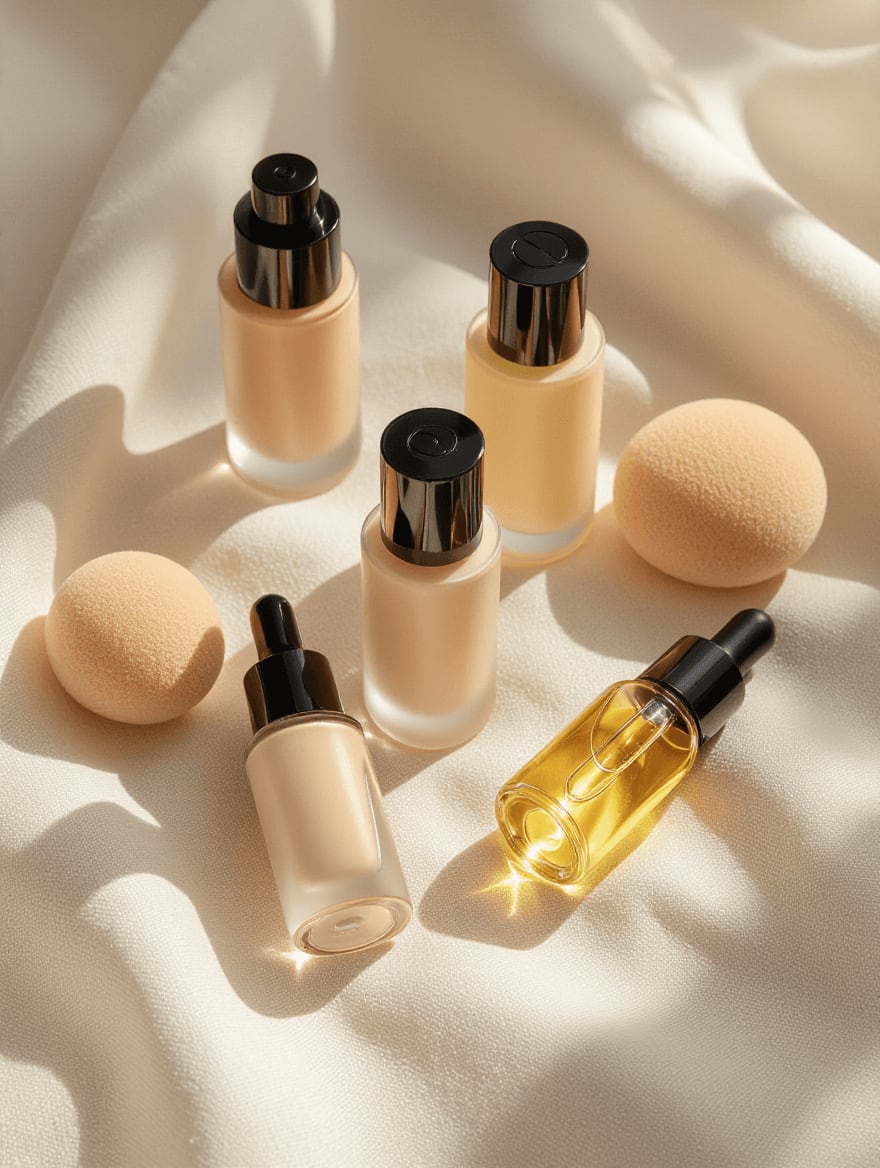
Why Traditional Foundation Fails Menopausal Skin
The term age defying foundation sounds promising, but most formulas marketed this way were designed for chronologically aged skin, not hormonally changed skin. During menopause, estrogen decline reduces sebum production by 30-50%, alters skin pH, and thins the dermal layer. This creates a unique challenge: your skin needs hydration and flexibility, but standard 'anti-aging' foundations often contain mattifying silicones and heavy pigments that emphasize texture rather than blur it.
What many women discover too late is that age defying makeup isn't about more coverage—it's about strategic light reflection and skin-barrier support. Foundations containing hyaluronic acid, squalane, or peptides work with hormonal changes rather than fighting them. These ingredients maintain skin plumpness throughout the day while pigments suspended in hydrating bases prevent the dreaded 2pm crease-settling that full-matte formulas guarantee. For comprehensive guidance on adapting your entire routine, see our complete makeup guide for menopause skin changes.
The science reveals why finish matters more than you think: declining collagen creates micro-texture that catches light differently. Dewy or satin formulas scatter light across uneven surfaces, creating optical smoothness. Matte foundations absorb light into texture valleys, amplifying every line. Yet most 'age defying' products still default to matte, based on outdated assumptions that mature skin is oily.
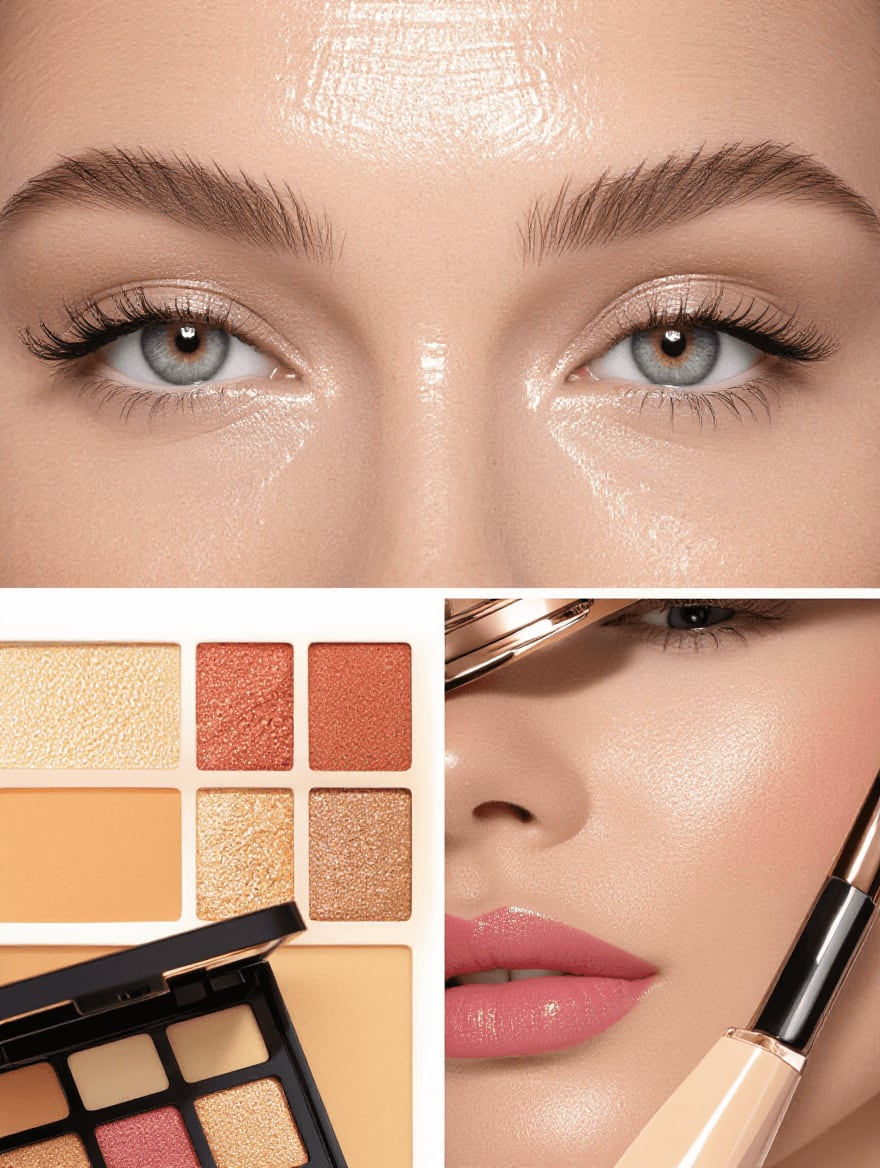
The Age Defying Foundation Myths That Cost You Money
Myth 1: Higher Coverage Equals Better Results
The beauty counter logic says full coverage hides imperfections, but on menopausal skin, the opposite occurs. Heavy pigment loads create a mask effect that moves independently from your skin throughout the day. Medium coverage foundations with light-reflecting particles actually provide better visual correction because they allow skin texture to remain visible while evening tone. Think of it like Instagram filters—the best ones enhance reality rather than replace it.
Myth 2: Primer Always Improves Foundation Performance
Here's what beginners misunderstand: silicone-heavy primers create a barrier that prevents hydrating foundations from bonding with your skin. If you're using age defying makeup with hyaluronic acid or glycerin, a traditional primer actually blocks the hydration benefits. Experienced users skip primer entirely or use a hydrating essence as their base. The trade-off? You lose 30 minutes of extra wear time but gain skin that looks alive rather than painted.
Myth 3: Powder Setting Prevents Creasing
The contradiction between expert advice and reality: powder does set makeup, but it also sucks moisture from already-dehydrated menopausal skin. By midday, that powder has migrated into every fine line, creating the exact creasing it promised to prevent. The better approach? Use a hydrating setting spray or skip setting entirely for most of your face, reserving powder only for the T-zone if needed. Learn more about foundation selection for mature skin over 50 to understand which formulas need setting and which don't.
What Actually Works: Ingredient and Application Strategies
The most effective age defying foundation formulas share three characteristics that clinical testing confirms: they contain humectants (hyaluronic acid, glycerin), have medium-to-buildable coverage, and include optical diffusers like mica or synthetic sapphire. These aren't marketing gimmicks—each addresses a specific hormonal skin change. Humectants pull moisture into the epidermis throughout wear. Buildable coverage lets you add density only where needed. Optical diffusers bend light away from shadows and into highlights, creating dimension that disappeared with collagen loss.
Application technique matters as much as formula. The standard beauty guru method—buffing in circular motions with a dense brush—creates friction that emphasizes texture on thin menopausal skin. What experienced practitioners do differently:
- Stippling instead of buffing: Gently press foundation into skin using a damp sponge with tapping motions. This deposits product without disturbing the skin barrier or surface texture.
- Strategic non-application: Skip foundation entirely on areas with significant texture like the outer eye area. Use concealer only where you need coverage, leaving textured areas bare but moisturized.
- Mixing with facial oil: Add 1-2 drops of squalane or rosehip oil to foundation on the back of your hand before application. This customizes any formula for hormonal dryness without buying new products.
For ingredient-specific recommendations, look for foundations listing hyaluronic acid or sodium hyaluronate in the first five ingredients. Peptides like Matrixyl or copper peptides offer bonus collagen-stimulation benefits. Avoid formulas with high alcohol content (SD Alcohol 40, denatured alcohol) or talc as primary ingredients—both accelerate moisture loss that menopausal skin can't afford.
When Standard Foundation Advice Fails
Here's the edge case that derails typical recommendations: some women experience a surge in sebum production during perimenopause before the eventual decline. If you're dealing with unexpected oiliness alongside hormonal texture changes, the usual 'hydrating foundation for menopause' advice backfires spectacularly. You need a hybrid approach—oil-free foundation with hyaluronic acid (water-based hydration without oils), applied with setting spray rather than powder. This addresses both the temporary oiliness and the underlying dehydration that remains present despite surface shine. The limitation? This phase typically resolves within 12-18 months, meaning you're investing in a targeted solution for a temporary problem. Consider mixing techniques (using hydrating foundation on dry zones, oil-free on oily areas) rather than buying entirely new products.