
Why Menopause Can Trigger New Allergies and Hives
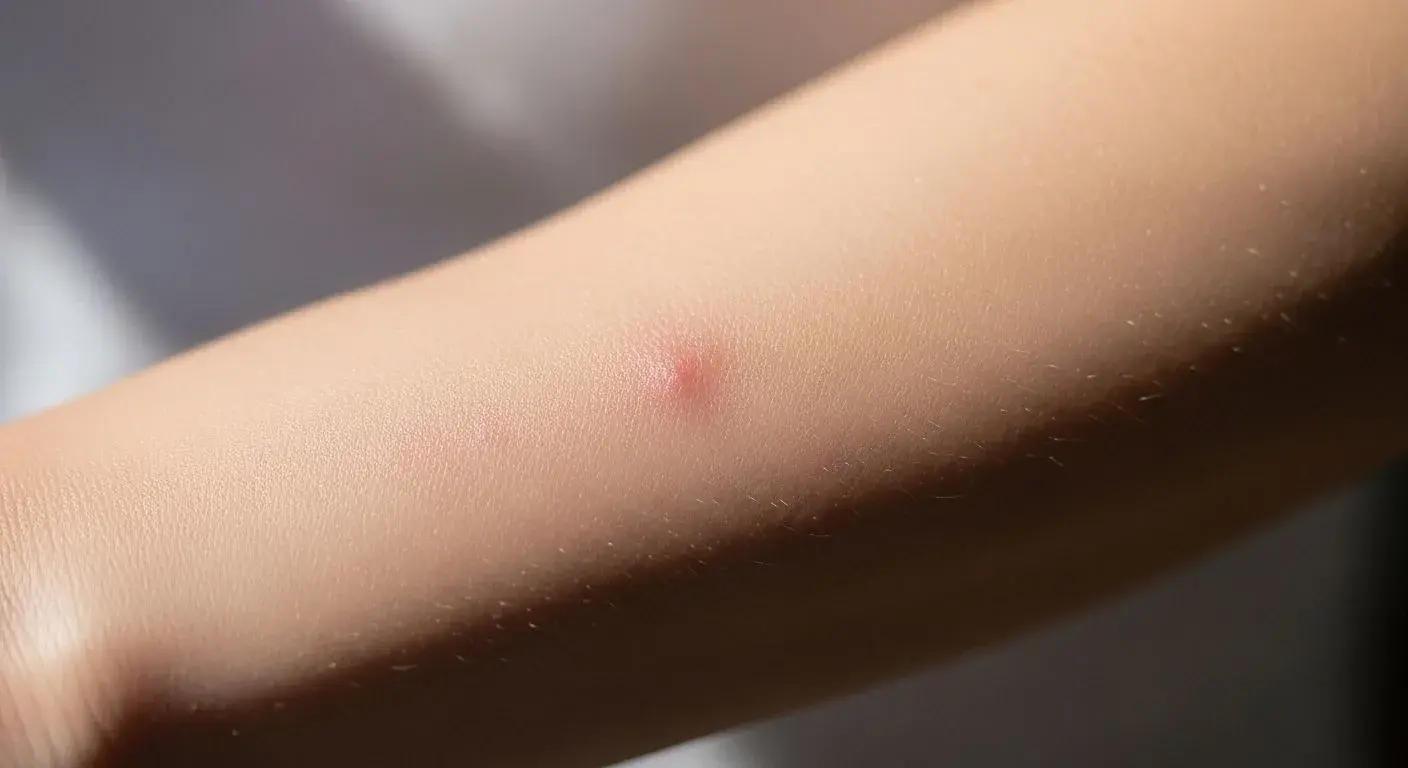
If you have developed sudden hives, a permanently runny nose, or skin that reacts to things it never did before, you are not imagining it. Estrogen plays a direct role in regulating mast cells, the immune cells responsible for releasing histamine during allergic reactions. As estrogen fluctuates and declines during perimenopause, mast cell activity becomes less stable, making the immune system more reactive than usual. Hormonal rhinitis is a well-recognised pattern where nasal tissue swells due to hormonal shifts rather than a true allergen. Similarly, urticaria (hives) can appear without any new dietary or environmental trigger — simply because the hormonal regulation of histamine release has changed.
One widely missed connection is between hot flashes and perceived allergic reactions. Some women experience flushing, skin warmth, and itching during a hot flash that closely mimics an allergic response. These are not the same mechanism, but the overlap causes significant confusion and sometimes unnecessary antihistamine use. For skin-level inflammation and itching beyond hives, see our guide on dermatitis and skin inflammation during perimenopause, which covers the broader pattern of reactive skin in this stage.
Common Misconceptions About Menopause Allergies
The most persistent myth is that new allergies in midlife are simply a coincidence of ageing rather than a hormonal event. Research suggests otherwise: estrogen receptors are present on mast cells, meaning hormonal fluctuation directly affects how the immune system responds to stimuli. A second misconception is that night hives during menopause must mean a food intolerance. In reality, night hives are often linked to the cortisol and temperature fluctuations that coincide with night sweats — not a specific allergen consumed that day.
A critical contradiction: many women are told to simply 'avoid triggers' as the first-line strategy. But when the trigger is internal hormonal instability rather than an external substance, avoidance alone will not resolve the problem. Standard allergy advice fails here because it assumes a stable immune baseline — which perimenopause disrupts. The trade-off with long-term antihistamine use is also worth noting: while effective for symptom control, regular antihistamines can worsen vaginal dryness and cognitive fog, which are already common menopausal complaints.
Menopause Allergies Treatment: What Actually Helps
Treating hormone-driven allergy symptoms requires addressing both the symptom and the underlying hormonal context. For hormonal rhinitis, saline nasal rinses provide symptom relief without medication side effects and are safe for daily use. Low-dose antihistamines can be helpful short-term, but rotating between them reduces tolerance issues. For women on hormone replacement therapy (HRT), many report a significant reduction in hive frequency and rhinitis severity once estrogen levels stabilise — this aligns with the mast-cell regulatory role of estrogen.
Lifestyle factors that reduce overall histamine load include limiting fermented foods, aged cheeses, and alcohol, particularly red wine, during flare periods. Quercetin, a natural mast cell stabiliser found in apples and onions, has emerging support though evidence remains limited. If ear itching accompanies your allergy symptoms, the hormonal connection extends further — explore the treatment options for menopause-related itchy ears. Always consult a healthcare provider before attributing new systemic symptoms entirely to menopause, as overlapping conditions like thyroid dysfunction can present similarly.