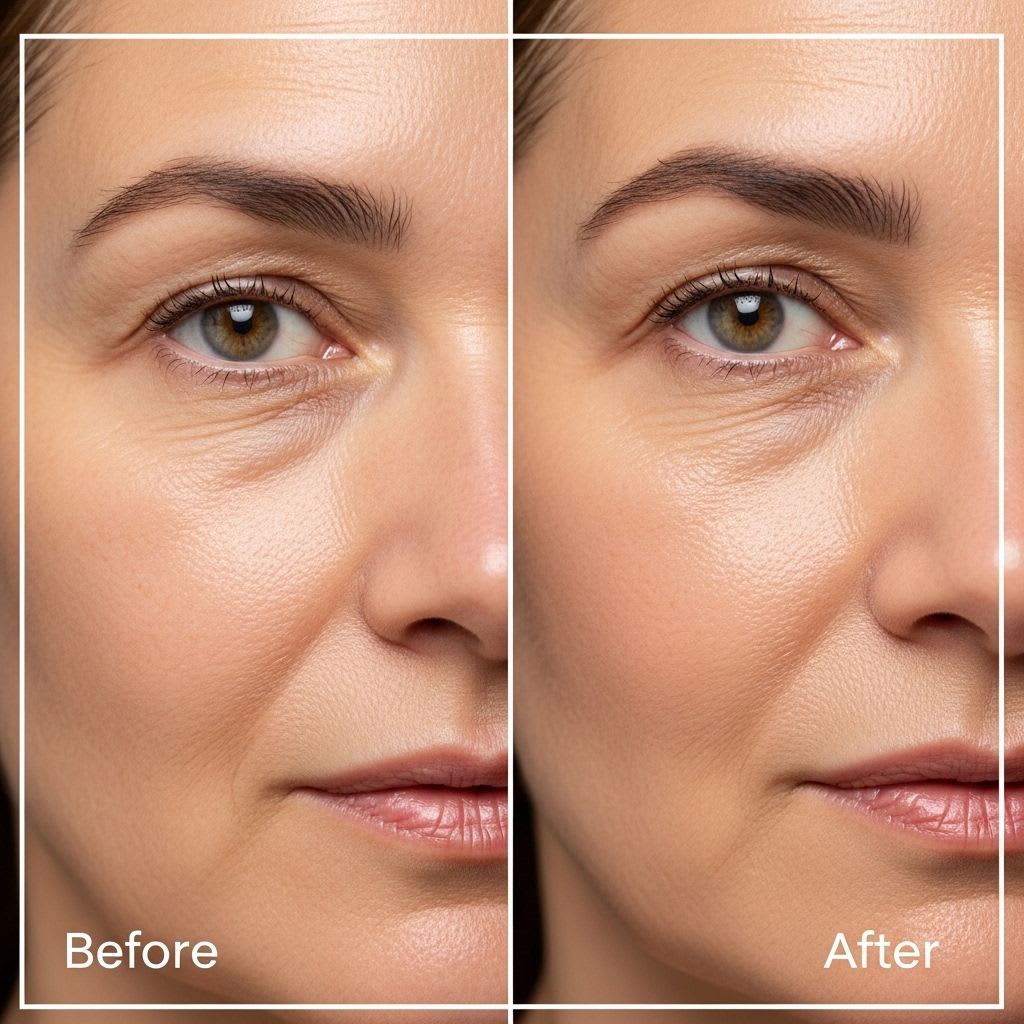
Why Clean Anti-Aging Skincare Matters More After Menopause
The shift to best clean anti aging skincare isn't just an ethical choice—it's a physiological necessity for mature skin. After menopause, declining estrogen reduces your skin's barrier function by up to 30%, making it significantly more permeable to whatever you apply. Ingredients you tolerated in your forties now penetrate deeper into your system, increasing both therapeutic benefits and potential risks. Synthetic fragrances, phthalates, and endocrine disruptors that once sat on the surface now absorb more readily, potentially interfering with the hormonal balance you're trying to maintain naturally or through HRT.
Here's what dermatologists observe but cosmetic companies rarely emphasize: conventional anti-aging products often rely on aggressive concentrations of synthetic actives that work by controlled irritation—forcing cell turnover through deliberate disruption. This approach backfires on hormonally-aging skin, which already experiences increased inflammation, slower healing, and compromised moisture retention. Clean anti aging skincare using plant-based retinol alternatives like bakuchiol, stabilized vitamin C from kakadu plum, and peptides from rice or soy achieves comparable results through nourishment rather than damage, working with your skin's reduced regenerative capacity instead of overwhelming it.
The most dangerous misconception is believing that clean formulas can't deliver serious anti-aging results. Modern natural anti aging face products utilize biotechnology to create bio-identical actives that your skin recognizes and processes more efficiently than synthetic analogues. Botanical stem cells, fermented ingredients, and biomimetic peptides now match or exceed the efficacy of traditional anti-aging ingredients in clinical studies, but with significantly lower irritation rates—critical for mature skin that can take weeks to recover from a single adverse reaction.
The Ingredient Reality Check Nobody Provides
The term clean has no regulatory definition, allowing brands to slap the label on products containing 95% synthetic ingredients with 5% botanical extracts. True best clean skin care for aging skin requires third-party certification from organizations like EWG, Ecocert, or COSMOS, which enforce specific exclusion lists and concentration requirements. Look for products that explicitly avoid parabens, phthalates, synthetic fragrances, formaldehyde-releasing preservatives, and petrochemicals—these are the ingredients with documented hormone-disrupting potential that matter most during menopausal transitions.
What professional aestheticians know from decades of observation: the best skin care sets for aging skin aren't necessarily those from a single luxury brand, but rather carefully curated combinations that address the specific cascade of changes happening simultaneously in mature skin. You need products that simultaneously rebuild collagen, restore barrier function, address hyperpigmentation, and provide antioxidant protection—requirements that rarely exist in one brand's philosophy. The most effective approach combines a clean retinol alternative serum, a ceramide-rich moisturizer, a vitamin C treatment, and a mineral sunscreen, often from four different brands chosen for their specific formulation strengths.
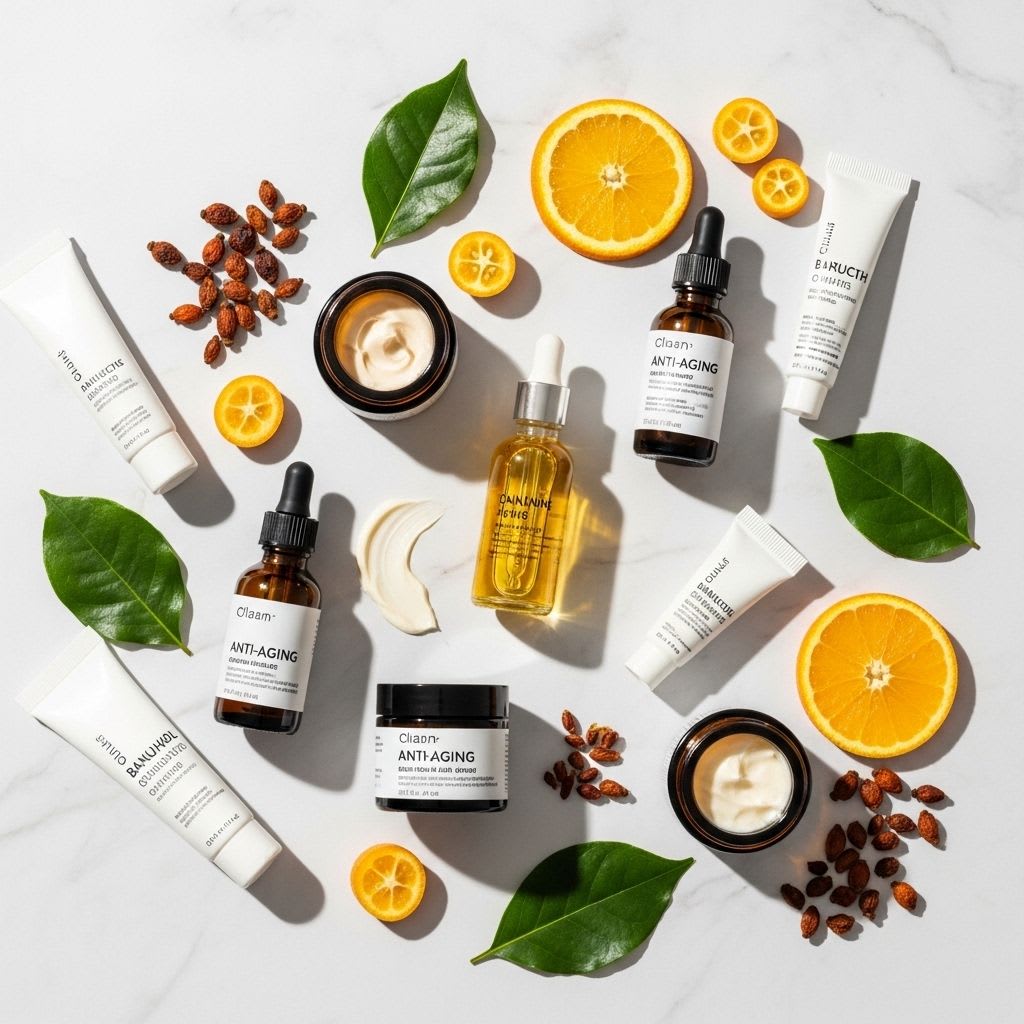
What Actually Works in Clean Anti-Aging Formulations
The effectiveness hierarchy in clean anti aging products differs significantly from conventional formulas because you're working with your skin's biology rather than overriding it. Bakuchiol, a plant-derived retinol alternative, stimulates collagen production and accelerates cell turnover without the photosensitivity, irritation, or peeling associated with synthetic retinoids. Clinical studies show comparable efficacy to retinol after twelve weeks, but mature skin tolerates it immediately—meaning you can use it consistently rather than in the stop-start pattern that diminishes conventional retinoid results.
Peptides represent where clean beauty has made the most significant advances for aging skin. Biomimetic peptides derived from rice, soy, or wheat proteins signal your fibroblasts to increase collagen and elastin production using the same biochemical language your skin already speaks. Unlike synthetic peptides that can trigger inflammatory responses in sensitive mature skin, plant-derived peptides integrate seamlessly with your existing cellular processes. The trade-off: they require consistent use for 8-12 weeks before visible results appear, versus the immediate plumping some synthetic actives provide through temporary inflammation.
- Bakuchiol: Retinol-like results without irritation; safe for sensitive skin and can be used morning and night
- Kakadu Plum Extract: Contains 100x more vitamin C than oranges; addresses age spots and dullness without oxidation concerns
- Plant Ceramides: From wheat, rice, or konjac; rebuild barrier function that declines 50% during menopause
- Sea Fennel Extract: Protects against glycation and collagen degradation; particularly effective for mature skin elasticity
The application sequence matters more with clean anti-aging products than conventional formulas because you're layering multiple actives without synthetic penetration enhancers. Start with the thinnest consistency and work toward the richest: water-based serums first, then oil-based treatments, followed by moisturizer, and always finish with mineral sunscreen during the day. Clean formulas rely on smaller molecular weights and time for absorption rather than synthetic carriers that force ingredients through your barrier, so allow 60-90 seconds between each layer for proper penetration.
For targeted treatment of menopausal skin concerns alongside your clean anti-aging routine, explore our guide to specialized menopause skincare that addresses hormone-specific changes like sudden dryness, sensitivity, and barrier disruption.
When Clean Anti-Aging Advice Completely Backfires
The standard recommendation to avoid all synthetic ingredients fails for women with severe photodamage or deep wrinkles requiring clinical-strength intervention. Some skin conditions—particularly advanced sun damage with precancerous changes—genuinely require prescription retinoids or high-concentration glycolic acid that clean beauty cannot yet match in potency. The solution isn't choosing between clean and effective, but rather using targeted conventional treatments for specific problem areas while maintaining a clean routine for general maintenance. Apply prescription tretinoin only to areas with deep wrinkles or sun damage, then use natural anti aging face products everywhere else to minimize overall toxic burden while addressing serious concerns.
Another scenario where conventional wisdom fails: assuming all natural ingredients are automatically safer for mature skin. Essential oils—lavender, rose, bergamot—appear in countless clean anti-aging products but can be significantly more irritating than their synthetic fragrance counterparts, especially for menopausal skin experiencing increased reactivity. Citrus essential oils cause photosensitivity that exacerbates the hyperpigmentation mature skin already battles. The most sophisticated clean brands now use steam-distilled hydrosols or completely fragrance-free formulas, recognizing that the natural origin doesn't guarantee compatibility with hormonally-sensitive skin.
The critical contradiction between marketing and efficacy: best skin care sets for aging skin marketed as complete systems often contain redundant products that cancel each other out or create irritation through over-layering. A typical luxury set might include a vitamin C serum, a brightening essence with kojic acid, and a moisturizer with niacinamide—three ingredients addressing hyperpigmentation through different mechanisms that, when combined, can overwhelm mature skin's limited regenerative capacity. More effective: choose one strong active per concern and rotate them, giving your skin recovery days rather than bombarding it daily with multiple actives simultaneously.
What aestheticians observe but rarely articulate: the timeframe for seeing results from clean anti-aging products is approximately 30-40% longer than conventional formulas, but the results last longer once achieved and involve less barrier damage requiring repair. Women switching to clean routines often abandon them after six weeks when they don't see the immediate plumping from synthetic fillers or the forced turnover from harsh acids. True collagen regeneration, barrier restoration, and cellular renewal require 12-16 weeks regardless of ingredient origin—clean formulas just achieve this without the inflammatory pathway that creates apparent rapid results followed by sensitization and plateau.
To ensure your clean makeup complements rather than undermines your anti-aging skincare investment, explore our guide to clean makeup for mature skin that works synergistically with non-toxic skincare to maintain skin health while providing coverage.