
Why Clean Beauty Standards Matter More for Mature Skin
The search for the best clean tinted moisturizer becomes critical during menopause when your skin barrier weakens and absorption rates increase. Research shows that thinning skin during hormonal transitions allows up to 60% greater penetration of topical ingredients compared to pre-menopausal skin. This means synthetic preservatives, fragrance compounds, and endocrine disruptors that previously sat on the surface now absorb deeper into the dermis. What makes this particularly concerning: many conventional tinted moisturizers contain parabens and phthalates that mimic estrogen—the exact hormone your body is already struggling to regulate.
The distinction between clean and natural creates confusion that cosmetic companies exploit. Natural doesn't guarantee safety—poison ivy is natural. Clean refers to formulations free from specific harmful ingredients like synthetic fragrance, sulfates, phthalates, and hormone disruptors, regardless of whether alternatives are natural or lab-created. The best natural tinted moisturizer ideally combines both standards: botanically-derived ingredients and formulation free from concerning synthetics.
What dermatological studies reveal about mature skin sensitivity: declining estrogen reduces ceramide production, compromising your skin's protective barrier. This makes previously tolerated ingredients suddenly trigger redness, sensitivity, or contact dermatitis. A hypoallergenic tinted moisturizer removes common allergens, but you need to verify it's also non-comedogenic for hormonal breakouts and free from irritants. For comprehensive clean beauty recommendations, explore our guide to clean makeup for mature skin over 50.
The Clean Beauty Myths Costing You Clear Skin
Myth 1: All Organic Tinted Moisturizers Are Clean
The contradiction between marketing and reality: organic certification only addresses agricultural practices, not formulation safety. An organic tinted moisturizer can contain organically-grown botanicals and synthetic preservatives, fragrance, or other concerning additives. What beginners misunderstand: the USDA Organic seal requires 95% organic ingredients, leaving 5% for whatever the manufacturer wants. Always verify the remaining 5% doesn't include parabens, phenoxyethanol, or synthetic fragrance compounds that trigger mature skin sensitivity.
Myth 2: Chemical Sunscreens Are Never Clean
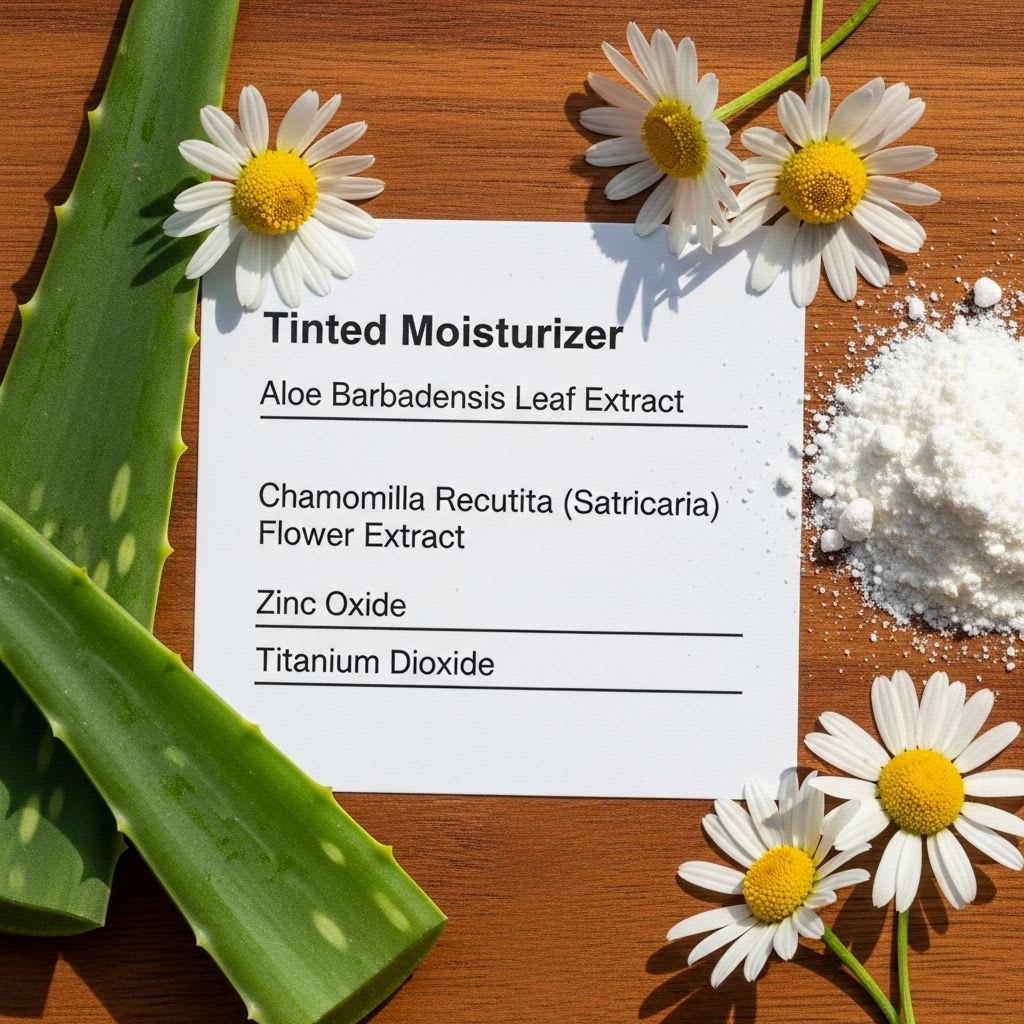
Here's where clean beauty dogma fails nuance: while older chemical UV filters like oxybenzone raise legitimate concerns about hormone disruption, newer organic filters like avobenzone are considered safe by most toxicology standards. The best clean tinted moisturizer with SPF typically uses mineral sunscreens (zinc oxide, titanium dioxide) because they're universally well-tolerated, but chemical filters aren't automatically disqualifying. The trade-off? Mineral SPF often leaves a white cast on deeper skin tones and feels heavier, while newer chemical filters absorb invisibly but may cause sensitivity in some users.
Myth 3: Natural Formulas Don't Cause Breakouts
The misconception that derails many clean beauty transitions: coconut oil, shea butter, and cocoa butter are natural and beloved in clean formulations, but they're also highly comedogenic. The best non-comedogenic tinted moisturizer uses lighter natural oils like jojoba, squalane, or rosehip that won't clog pores during hormonal fluctuations. Evidence shows that mature women experiencing perimenopause often develop combination skin with simultaneous dryness and breakouts—requiring both clean ingredients and non-pore-blocking formulation.
What Actually Works: Clean Formulation Essentials
The most effective clean tinted moisturizers for mature skin balance three requirements: mineral-based UV protection, skin-barrier supporting ingredients, and lightweight coverage that doesn't emphasize texture. Ingredient analysis reveals patterns in formulas that actually perform. The healthiest tinted moisturizer contains non-nano zinc oxide (12-20%) for broad-spectrum protection, hyaluronic acid or glycerin for hydration, and plant-derived squalane or jojoba oil for barrier repair without congestion.
Key ingredients to prioritize in clean formulations:
- Non-nano zinc oxide or titanium dioxide: Provides safe, reef-friendly sun protection without hormone disruption. Non-nano particles can't penetrate skin barrier, making them ideal for compromised mature skin.
- Niacinamide (vitamin B3): Strengthens barrier function, reduces inflammation, and helps with the redness that often accompanies menopausal skin changes. The best tinted moisturizer for redness includes 2-5% niacinamide.
- Iron oxides for tint: These mineral pigments provide coverage while also enhancing UV protection against blue light and visible light that contributes to hyperpigmentation.
- Botanical extracts with anti-inflammatory properties: Chamomile, green tea, and aloe calm reactive skin, but verify they're preserved with clean alternatives to parabens like gluconolactone or sodium levulinate.
Application technique differs from conventional tinted moisturizers because clean formulas often have drier textures due to absence of synthetic slip agents. Warm the product between fingers before application to improve spreadability. Use pressing motions rather than dragging across delicate mature skin. Layer thin applications instead of one thick coat—this prevents the chalky mineral sunscreen cast while building coverage gradually. For age-appropriate product selections across categories, see our guide to best makeup for women in their 40s.
When Clean Formulas Don't Deliver Results
Here's the edge case that clean beauty advocates rarely acknowledge: some skin requires specific synthetic ingredients to function properly during severe hormonal transitions. Women experiencing extreme menopausal dryness with eczema-like flaking may find that even the cleanest tinted moisturizer using only plant oils can't provide sufficient occlusion to prevent transepidermal water loss. The solution involves strategic compromise—using a conventional dimethicone-based moisturizer underneath a clean tinted product, or accepting that certain silicones (like cyclopentasiloxane) pose minimal risk while dramatically improving product performance and skin comfort. The limitation? This challenges clean beauty ideology that says all synthetics are harmful. The honest truth: individual skin biochemistry and life stage sometimes require pragmatism over purity. If clean formulas leave your skin worse off than conventional options, the "healthiest" choice is the one that actually maintains your skin barrier, even if it contains a few carefully-selected synthetic ingredients.