
Why Age Spots and Hyperpigmentation Require Different Coverage Strategy
The search for the best concealer for dark spots reveals a fundamental misunderstanding in standard makeup advice: dark spots, age spots, sun spots, and hormonal hyperpigmentation aren't simply darker areas requiring lighter concealer—they're pigmented deposits with specific undertones that require color correction before coverage. Age spots (lentigines) typically present as flat brown patches resulting from accumulated UV damage, appearing most prominently on areas with chronic sun exposure like hands, face, chest, and forearms. Post-inflammatory hyperpigmentation from acne or injury appears darker and often has red or purple undertones initially. Melasma triggered by hormonal changes creates larger patches with irregular borders, most commonly on cheeks, forehead, and upper lip.
What dermatological research reveals about the best makeup for age spots specifically after menopause: estrogen decline accelerates melanin production irregularities, causing existing spots to darken while new ones form more readily. The skin's natural exfoliation process slows from 28 days to 45-60 days, meaning hyperpigmentation that would have faded in weeks now persists for months. Simultaneously, your skin thins by approximately 1% annually after age 50, which paradoxically makes dark spots more visible as the epidermis provides less natural camouflage. This creates a compound problem where spots are darker, more numerous, and more prominent against thinner, paler surrounding skin.
The critical insight that transforms coverage approach: attempting to hide dark spots with makeup using only concealer creates the exact outcome you're trying to avoid—visible patches where heavy product sits differently than foundation on surrounding skin. Effective coverage requires a layered strategy: color correction to neutralize the undertone, targeted concealer to match corrected tone to surrounding skin, and strategic foundation application that creates seamless blending. This is not the same as general concealer application, yet most tutorials treat all discoloration identically. For comprehensive guidance on makeup during hormonal changes that trigger hyperpigmentation, see our complete makeup guide for menopausal skin changes.
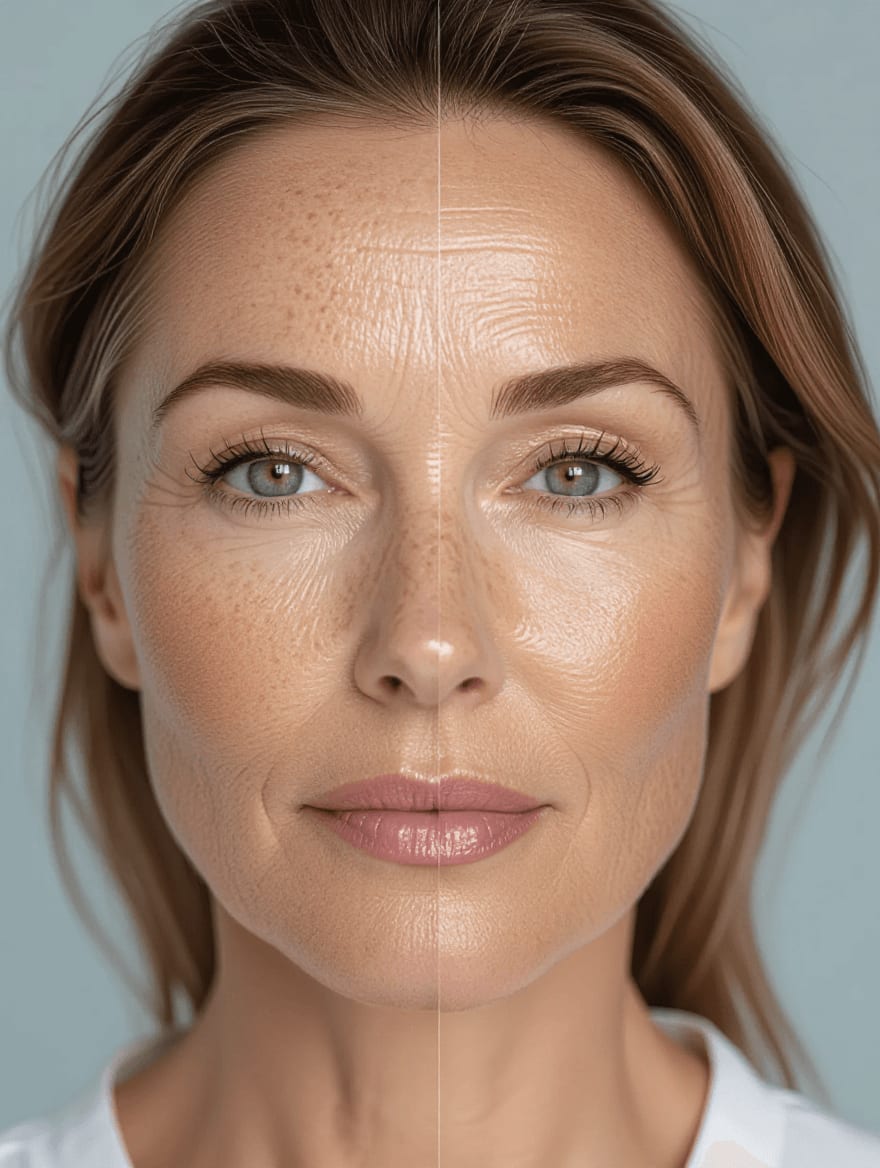
The Coverage Myths That Make Dark Spots More Visible
Myth 1: Full Coverage Foundation Eliminates Need for Concealer
The misconception about the good foundation to cover dark spots assumes that high-coverage foundation alone can conceal hyperpigmentation effectively. The reality contradicts this approach: full coverage foundation applied heavily enough to hide dark spots creates a mask-like appearance on mature skin, emphasizes every texture irregularity, and still often fails to fully neutralize the undertones in age spots. What experienced practitioners understand is that foundation should provide your base skin tone, while targeted concealer addresses specific discoloration. Attempting to do both jobs with foundation means either applying it so thickly that it looks obvious, or accepting inadequate coverage of dark spots.
Myth 2: Lighter Concealer Automatically Covers Darker Spots
Here's what beginners misunderstand about the best concealer for hyperpigmentation: using significantly lighter concealer over dark spots without color correction creates a chalky, gray appearance because you're attempting to cover warm brown pigmentation with cool light coverage. The undertone mismatch shows through, particularly on mature skin where texture prevents complete opacity. The contradiction between standard advice and reality shows that concealer shade should match your corrected skin tone, not necessarily be lighter than your natural skin. Color correction does the heavy lifting of neutralizing darkness; concealer simply blends the corrected area into surrounding foundation.
Myth 3: Same Technique Works for All Types of Dark Spots
The oversimplification about covering discoloration: tutorials treat age spots, post-inflammatory hyperpigmentation, and melasma as identical concerns requiring identical solutions. But these have different undertones and depths requiring different corrector colors. Age spots from sun damage typically have warm brown undertones needing peach or orange correction. Fresh post-inflammatory hyperpigmentation often has red or purple components requiring green or yellow correction. Melasma presents as gray-brown requiring pink or salmon correction depending on skin depth. Using wrong corrector colors either fails to neutralize the spot or creates new color problems requiring additional concealer layers.
The Complete Coverage System That Actually Works
The most effective approach to covering dark spots and age spots requires understanding the three-step correction process that professional makeup artists use but rarely explain in consumer tutorials. This system works because it addresses both the color and depth of hyperpigmentation systematically, creating coverage that remains invisible and lasts throughout the day without emphasizing skin texture or requiring touch-ups. The investment in multiple products initially seems excessive, but attempting shortcuts with single-product solutions consistently produces inferior results on mature skin with significant discoloration.
Your essential dark spot coverage system should include:
- Color corrector matched to your specific discoloration type: For warm brown age spots and sun damage on light-to-medium skin, use peach corrector. On deeper skin tones, orange or red correctors neutralize brown hyperpigmentation more effectively. For post-inflammatory marks with purple undertones, yellow or green correctors work better. Apply the thinnest possible layer only to the dark spot itself using a small concealer brush, pressing gently to avoid spreading onto surrounding skin.
- Full-coverage concealer matching your foundation exactly: After color correction neutralizes undertones, you need a concealer that seamlessly blends the corrected area into your foundation. This should have creamy consistency firm enough to stay put but flexible enough not to crack on mature skin. Apply over the color corrector using a patting motion with your ring finger or small synthetic brush, feathering edges into surrounding skin.
- Setting powder for spot areas only:Dark spots require more product layering than other areas, making them prone to creasing and fading. A tiny amount of translucent setting powder pressed gently onto concealed spots prevents movement without the overall drying effect of powder across entire face. Use a small fluffy brush to remove excess powder immediately after setting.
Application sequence matters critically for longevity and natural appearance. Start with fully prepped, moisturized skin—concealer emphasizes any dryness on mature skin. Apply foundation first to your entire face, creating your base tone. Once foundation has settled for 2-3 minutes, assess which dark spots remain visible. Apply color corrector only to visible spots, using the absolute minimum amount necessary. Allow corrector to set for 30-60 seconds. Layer concealer over corrected spots, blending edges thoroughly into foundation. Set only these specific areas with powder. This targeted approach prevents the heavy, mask-like appearance that comes from attempting full-face coverage. For complete product recommendations designed for mature skin, explore our guide to the best makeup kits for mature skin over 50.
When Standard Coverage Techniques Fail
Here's the edge case that derails even expert color correction: some women develop such extensive, deeply-pigmented melasma or accumulated sun damage that the sheer quantity of dark spots requiring coverage makes the three-step process impractical for daily wear. When you're color-correcting and concealing 15-20 separate spots across your face, the time investment becomes unsustainable and the cumulative product application creates texture issues even with careful technique. Standard advice assumes you're addressing a few discrete spots—it doesn't account for confluent hyperpigmentation covering 40-50% of facial surface area. The solution requires completely different strategy: instead of spot-concealing, invest in a true high-coverage foundation specifically formulated for hyperpigmentation (these exist but are rarely marketed clearly) that provides enough opacity to minimize most discoloration in single application. Use color corrector only on the absolute darkest spots that show through foundation, and accept less-than-perfect coverage on moderate spots to avoid product overload. Additionally, this level of hyperpigmentation often indicates that makeup alone isn't the optimal solution—dermatological treatments like prescription hydroquinone, tretinoin, or professional procedures like chemical peels or laser therapy may provide better long-term results than attempting daily camouflage. Some women find that treating the underlying pigmentation reduces it enough that standard concealer techniques become effective again. Others discover their pigmentation is too stubborn or extensive for topical treatments, forcing a choice between accepting visible discoloration or committing to intensive daily coverage routines that feel burdensome. The limitation extends beyond technique to identity—when hyperpigmentation coverage requires 30+ minutes of careful application daily, you're not just dealing with a beauty concern but a significant time investment that impacts your relationship with makeup itself. Some women embrace this as worthwhile self-care, while others resent the forced choice between natural appearance with visible spots or flawless appearance requiring exhaustive effort. Both responses are valid, and neither represents personal failing—they're pragmatic reactions to the reality that severe hyperpigmentation on mature skin remains one of the most challenging coverage situations in makeup artistry, requiring either significant skill and time or acceptance of imperfect results.