
Why Cream Formulas Transform Mature Skin Makeup
The advantage of the best cream makeup palette for mature skin isn't just convenience—it's physics. Cream formulas contain emollients that bind with your skin's natural oils rather than sitting on top like powder. This creates seamless integration that moves with facial expressions instead of cracking into fine lines. When collagen depletion creates micro-texture across cheeks, eyelids, and lips, cream products fill those valleys before depositing color, delivering the optical smoothness that powder formulas can never achieve on aging skin.
What dermatological studies reveal about aging skin and makeup compatibility: after age 50, transepidermal water loss increases by 40%, creating a surface that actively repels powder particles while absorbing cream formulations. This explains why the mature makeup palette your daughter uses looks chalky on you—it's not application technique, it's fundamental incompatibility between powder and dehydrated skin. Cream products deliver hydration alongside pigment, supporting barrier function rather than compromising it.
The multi-use aspect provides strategic benefits beyond minimalism. Using the same cream formula for cheeks, lips, and sometimes eyes creates automatic color harmony that becomes increasingly important as skin tone changes with hormonal shifts. You're not trying to match three separate products—you're working with variations of one cohesive color story. For comprehensive strategies on adapting your entire makeup approach, explore our complete makeup guide for menopause skin changes.
Common Myths About Cream Makeup Palettes
Myth 1: Cream Products Don't Last on Mature Skin
The misconception about longevity stems from comparing cream formulas to the wrong baseline. Yes, cream blush wears 4-6 hours versus powder's 8-10 hours, but on mature skin, powder looks terrible after 3 hours anyway—settling into pores, emphasizing texture, and oxidizing. The relevant comparison is cream at hour 6 versus powder at hour 3. Cream products maintain their initial appearance throughout wear, just for a shorter duration. The trade-off? You may need midday touch-ups, but your skin looks like skin rather than makeup-covered surface.
Myth 2: You Need Brushes for Cream Application
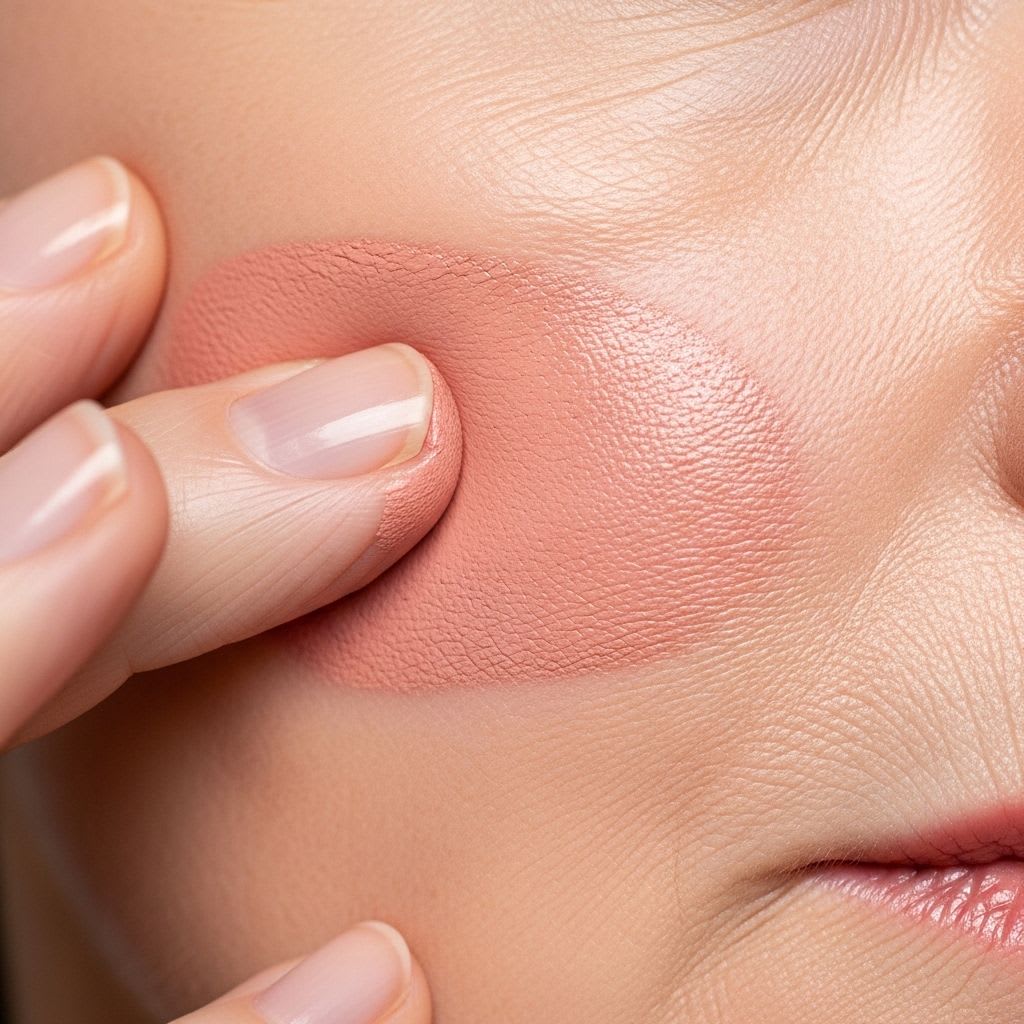
What beginners misunderstand about the best makeup palettes for mature skin is that fingers are actually the superior tool for cream products on aging skin. Your body heat melts cream formulas for seamless blending, while brushes can create streaks and absorb product. The only exception is cream eyeshadow in deep shades, where a synthetic brush provides precision. This contradicts beauty industry advice designed to sell brush sets, but experienced users report better results with fingertip application for everything except eyes.
Myth 3: Cream Palettes Need Setting Powder
Here's the contradiction between standard advice and reality for mature skin: setting powder negates every benefit that made you choose cream in the first place. It transforms the dewy, skin-like finish back into a powdery surface that emphasizes texture. The evidence shows cream products set themselves through slight evaporation and skin absorption within 10-15 minutes—no powder required. If you absolutely need extended wear for special occasions, use setting spray instead, which locks cream in place without texture consequences.
Selecting and Using Cream Palettes Effectively
The most effective cream makeup palette for mature skin balances three formulation elements: enough emollient content for blendability without sliding off skin, sufficient pigment load for buildable coverage without heaviness, and a texture that's neither too stiff (requires pulling) nor too soft (applies unevenly). Look for ingredients like caprylic/capric triglyceride, shea butter, or jojoba oil in the first five ingredients—these provide the slip needed for gentle application on delicate skin.
What experienced practitioners prioritize in palette selection:
- Neutral-warm color range: Mature skin develops yellow or sallow undertones that cool pinks and mauves amplify rather than correct. Peachy-coral tones and warm roses provide natural flush without emphasizing discoloration.
- 3-6 shades maximum: Large palettes with 12+ colors tempt you toward shades that don't suit mature skin. Curated small palettes force cohesive choices. You need one highlighter, 2-3 blush tones for different intensities, and possibly one contour shade.
- Satin-to-dewy finishes only: Avoid cream products with matte finishes, which still emphasize texture despite cream format. Light-reflecting particles in satin formulas scatter light across fine lines for optical smoothing.
Application technique requires adapting your timing and layering strategy. Apply cream products to bare moisturized skin or over foundation—never over powder, which creates a muddy mess. Warm product on the back of your hand first, then use ring finger to tap (never swipe) onto apples of cheeks. Blend outward and upward using light circular motions. Layer gradually—cream is easier to add than remove. For complete kit recommendations including brushes and tools, see our guide to makeup kits for mature skin over 50.
When Cream Palettes Don't Work
Here's the edge case that derails typical cream palette recommendations: some women experience increased sebum production during perimenopause before the eventual decline, or have combination skin where T-zone remains oily while cheeks dry out. Standard cream formulas slide off oily areas within 2 hours, creating patchy wear that's worse than powder. The solution requires zone-specific application—use cream products only on dry areas (typically cheeks, temples) while using powder blush on oily zones (typically T-zone, chin). This hybrid approach feels unnecessarily complicated and contradicts the simplified routine that cream palettes promise. The limitation? You're essentially maintaining two separate product systems instead of the streamlined one-palette approach. Most women either accept shorter wear time on oily zones or wait until perimenopause resolves before committing to all-cream routines. There's no perfect solution—you're choosing between convenience and optimal performance based on your current hormonal phase.