Why Drugstore Foundation Can Work for Dry Mature Skin
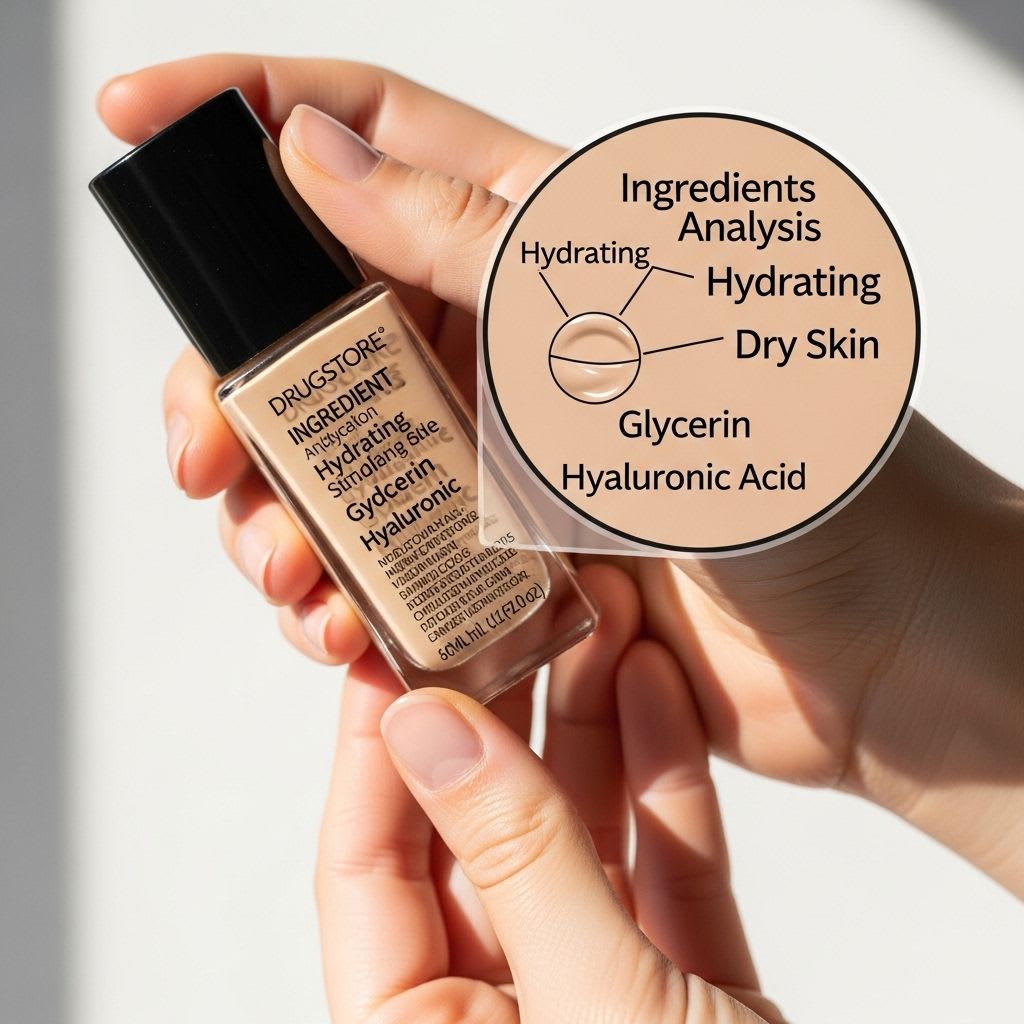
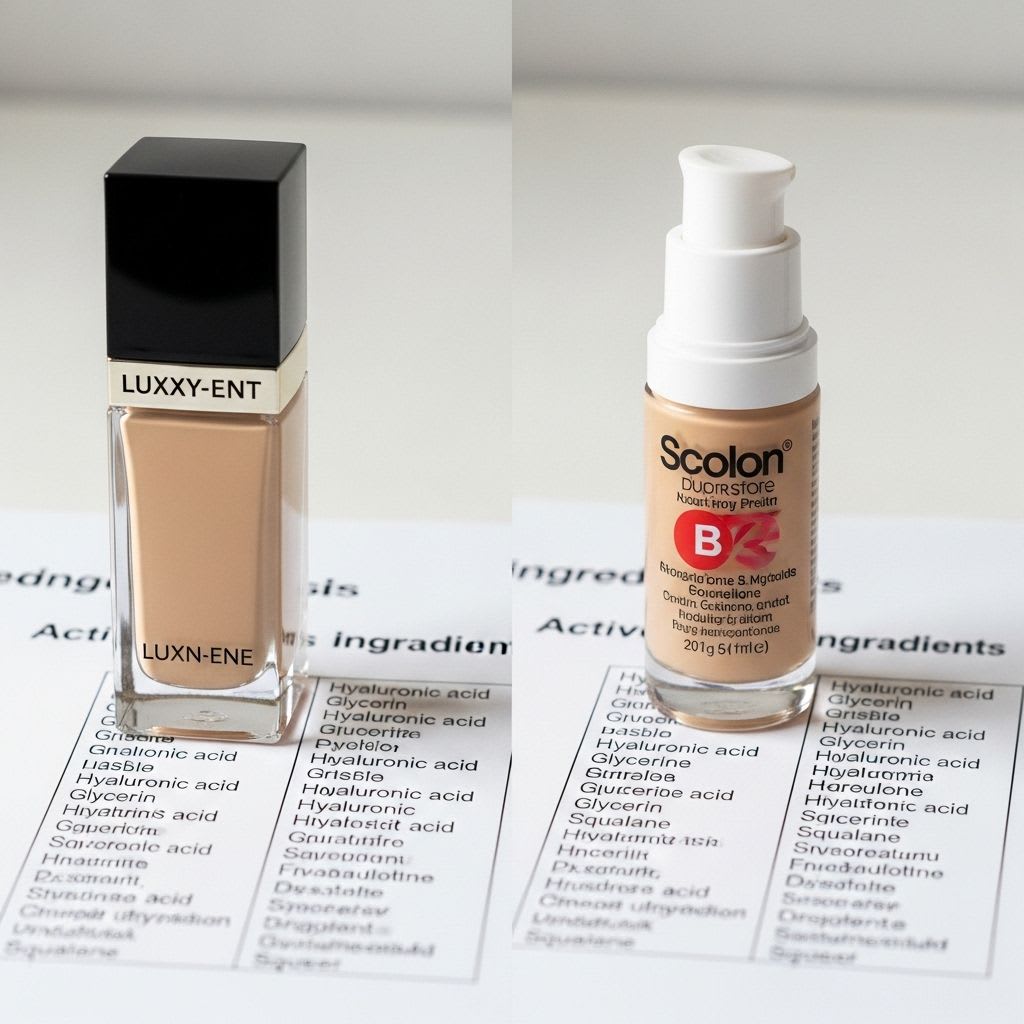
The search for the best drugstore foundation for dry skin often stems from the false assumption that dry, mature skin requires luxury-tier products to look good. The reality contradicts this expensive myth: foundation performance depends on ingredient selection and formulation design, not price point or brand prestige. Many drugstore foundations now contain the same hydrating actives—hyaluronic acid, glycerin, squalane—as prestige brands, sourced from identical suppliers. What you typically sacrifice at drugstore price points isn't ingredient quality but shade range subtlety, packaging luxury, and sometimes fragrance-free options. For women over 40 dealing with menopausal dryness, these trade-offs may be entirely acceptable if the formula delivers moisture and coverage.
What dermatological research reveals about the best hydrating drugstore foundation formulations: moisture-retaining ingredients function identically regardless of whether you purchased them for fifteen dollars or seventy-five. Sodium hyaluronate holds 1000x its weight in water whether it appears in a mass-market formula or a luxury serum-foundation hybrid. The key difference lies in secondary ingredients—prestige brands may use more elegant silicones for application feel, sophisticated preservative systems that avoid common allergens, or advanced optical diffusers that cost more to manufacture. But if your primary concern is preventing dry skin from looking cakey under foundation, drugstore options containing the right humectants and emollients perform this basic function adequately.
The critical advantage of best drugstore makeup for dry skin exploration: the lower price point allows experimentation without financial risk. Finding your ideal foundation for dry mature skin often requires testing multiple formulas to identify which specific combination of humectants, emollients, and coverage works for your unique skin chemistry. At drugstore prices, you can trial three to four foundations for the cost of one prestige option, increasing your likelihood of finding that perfect match. Additionally, most drugstore retailers offer generous return policies, making failed experiments less costly than prestige counter mistakes. For comprehensive foundation guidance beyond drugstore options, see our guide to hydrating foundations for dry skin.
The Drugstore Foundation Myths Keeping You From Great Options
Myth 1: Full Coverage Means Dry, Cakey Finish
The widespread belief about best drugstore full coverage foundation dry skin options assumes you must choose between adequate coverage and hydrating finish. This reflects outdated drugstore formulation technology where high pigment loads required heavy, matte bases that emphasized dry skin texture. But current formulations use micro-encapsulated pigments and flexible polymers that deliver full coverage in hydrating vehicles—the pigment density and moisture content are no longer mutually exclusive. What you're actually evaluating is whether the formula uses modern technology or old-school approach, not whether drugstore brands can achieve both coverage and hydration simultaneously.
Myth 2: Drugstore Foundations Lack Sophisticated Ingredients
Here's what beginners misunderstand about the best otc foundation for dry skin category: the perception that over-the-counter drugstore formulas contain inferior or outdated ingredients compared to prestige brands. The reality shows that ingredient suppliers sell to all price tiers—the same hyaluronic acid manufacturer provides to both mass and luxury brands. What differs is the complete formula architecture: prestige brands may combine more complementary actives, use more expensive texturizers for application feel, or include higher concentrations of beneficial ingredients. But the presence of sodium hyaluronate, glycerin, or squalane in a drugstore foundation provides identical hydration benefits as in luxury formulas, assuming adequate concentration.
Myth 3: You Need to Set Drugstore Foundation with Powder
The damaging advice for dry mature skin: that all drugstore foundations require powder setting to achieve longevity, based on the assumption that mass-market formulas have inferior staying power. But powder setting defeats the entire purpose of choosing hydrating foundation—it immediately absorbs the beneficial oils and moisture, leaving you with emphasized texture and dry, flat finish. Modern drugstore hydrating foundations contain film-forming polymers and long-wear technology that function without powder. The trade-off is accepting 6-8 hours of wear rather than the 12+ hours some powder-set prestige foundations claim, but for dry mature skin, the dewy finish and comfortable feel throughout wear outweigh extended longevity that comes at the cost of emphasized lines and dryness.
How to Identify Drugstore Foundations That Actually Hydrate
The most effective approach to selecting drugstore foundation for dry mature skin requires understanding ingredient hierarchies and concentration indicators, since you can't rely on price or prestige to signal quality. Drugstore foundations vary wildly in formulation sophistication—some genuinely rival luxury options while others use outdated approaches that fail spectacularly on dry skin. Reading ingredient lists becomes essential skill rather than optional refinement, as this is your only reliable quality indicator at mass-market price points where marketing claims are less regulated than prestige beauty.
Your essential ingredient evaluation criteria should include:
- Humectants in top five ingredients:Glycerin, sodium hyaluronate, or panthenol must appear within the first five ingredients to indicate sufficient concentration for hydration benefits. If these appear after the seventh ingredient, concentration is likely too low to prevent dryness throughout wear. Water appearing first is fine—this is standard for liquid foundations—but it must be followed immediately by moisture-retaining agents.
- Emollient oils or plant-derived alternatives:Ingredients like squalane, jojoba oil, vitamin E (tocopherol), or synthetic alternatives like isononyl isononanoate provide the slip and barrier protection dry skin needs. These should appear in the mid-section of ingredient lists. Avoid foundations listing alcohol denat, SD alcohol 40, or isopropyl alcohol in the first ten ingredients—these strip moisture despite any humectants present.
- Dewy or radiant finish claims with substance:Marketing terms alone mean nothing, but when combined with appropriate ingredient lists, they indicate formulas designed for dry skin. Look for foundations specifically mentioning luminous, radiant, or hydrating finish. Avoid anything claiming matte, oil-control, or long-wear as primary benefits—these are formulated for oily skin and will emphasize dryness.
- Absence of talc and kaolin in top ingredients:These absorbent minerals are commonly used in drugstore foundations to control oil and reduce shine. On dry mature skin, they create the chalky, emphasized-texture appearance you're trying to avoid. Small amounts deep in the ingredient list are acceptable, but if talc or kaolin appear in the first seven ingredients, the formula will likely be too drying.
Application technique maximizes drugstore foundation performance on dry skin. Always apply to well-moisturized skin—drugstore formulas have less slip than prestige options, so adequate prep prevents tugging and uneven application. Use damp beauty sponges rather than brushes, as moisture compatibility helps blend hydrating foundations seamlessly while brushes can create streaking. Apply in thin layers, building coverage gradually rather than attempting full opacity in one application—this prevents the product overload that causes even hydrating formulas to look heavy on mature skin. Skip powder entirely, or if you absolutely must set for longevity, use only on T-zone while leaving cheeks, forehead, and under-eyes with their natural dewy finish. For comprehensive strategies during skin changes, see our makeup guide for menopausal skin changes.
When Drugstore Hydrating Foundations Fall Short
Here's the limitation that drugstore options genuinely struggle with: severe, clinical-level dryness from conditions like eczema, severe barrier dysfunction, or medication side effects often requires the intensive hydration delivery that only prestige serum-foundation hybrids provide. These advanced formulas contain 30-40% skincare actives—concentrations that drugstore price points can't support while maintaining profitability. Standard drugstore hydrating foundations contain perhaps 10-15% beneficial actives, adequate for typical dry mature skin but insufficient for extreme cases. The solution isn't necessarily abandoning drugstore entirely—it's recognizing when your skin needs medical-grade intervention that cosmetics can't provide regardless of price. If you've tried multiple drugstore hydrating foundations following all ingredient guidance, applied them correctly to well-prepped skin, and still experience flaking, emphasized texture, or comfort issues within hours, your dryness exceeds what standard formulations address. This indicates need for dermatological evaluation and possibly prescription treatments like ceramide-heavy barrier repair creams, rather than continued foundation shopping at any price point. Some women discover their skin improves enough with medical treatment that drugstore foundations then perform adequately—the issue wasn't formula quality but treating underlying severe dryness first. Others find that even after medical intervention, their skin remains too compromised for full-coverage foundation of any kind, requiring acceptance of tinted moisturizer or BB cream level coverage instead. The drugstore limitation in this scenario isn't that cheaper products are inferior—it's that extremely compromised mature skin sometimes can't support foundation application regardless of formulation sophistication or price, requiring instead focus on intensive treatment until skin health improves enough to tolerate cosmetic coverage again. This represents a threshold where makeup artistry yields to medical dermatology, and continuing to seek the perfect hydrating foundation—drugstore or prestige—delays addressing the actual problem of barrier dysfunction requiring clinical intervention beyond what any cosmetic product provides.