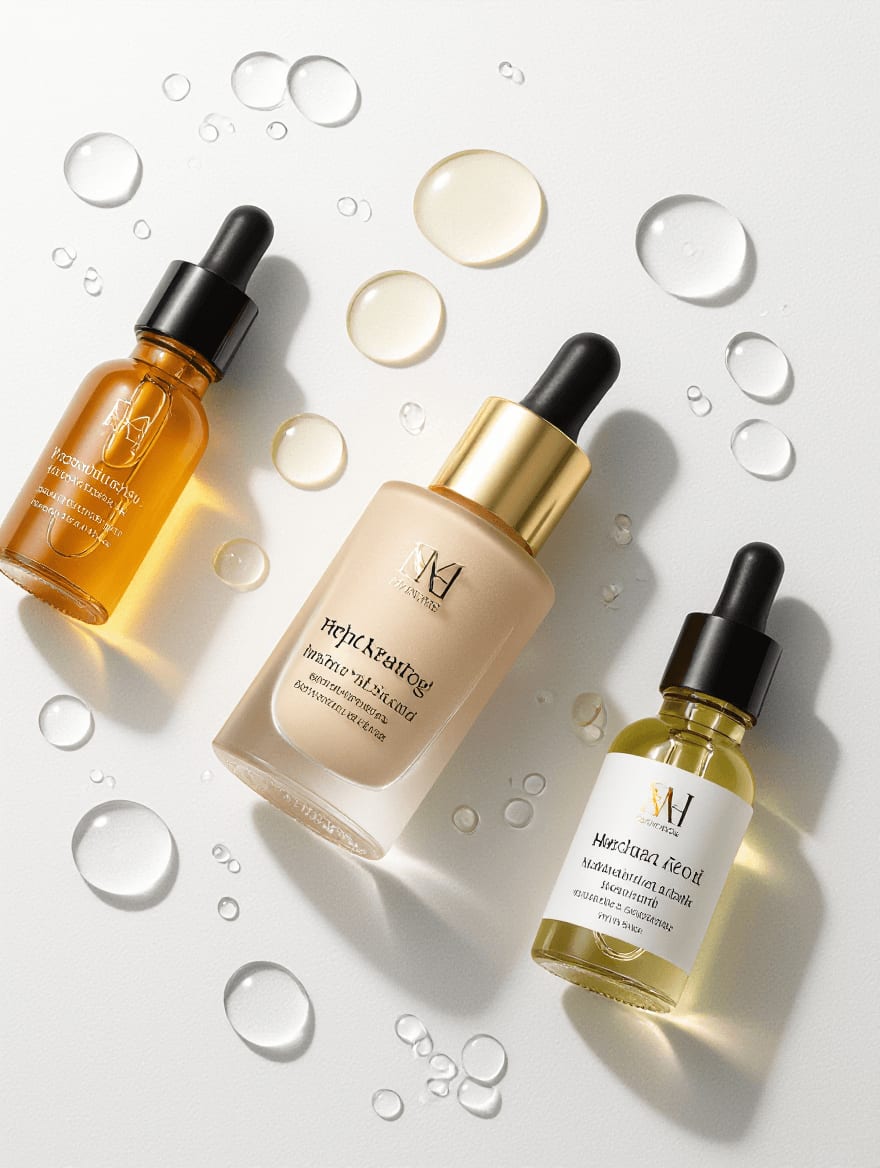
Why Your Foundation Emphasizes Dryness Instead of Hiding It
The best foundation for dry skin isn't simply one with moisturizing claims on the label—it requires understanding the difference between dry skin and dehydrated skin, which behave entirely differently under makeup. Dry skin lacks oil production due to insufficient sebaceous gland activity, creating a tight, sometimes flaky surface that foundation clings to unevenly. Dehydrated skin lacks water content in the upper dermis, causing microscopic cracks that foundation settles into within hours, creating that dreaded reptilian texture even when your skin produces adequate oil. Most foundations marketed for dry skin only address one of these conditions, which is why your carefully chosen foundation still looks terrible by afternoon.
Here's what dermatologists know that beauty counters rarely explain: foundation for extremely dry skin must contain both emollients and humectants in specific ratios. Emollients like squalane and jojoba oil fill the gaps between dead skin cells to create smoothness, while humectants like glycerin and hyaluronic acid pull moisture from the environment into your skin. Foundations containing only emollients feel rich when applied but can paradoxically worsen dehydration by creating an occlusive barrier that prevents moisture absorption. Foundations with only humectants provide temporary plumping that collapses in low-humidity environments, leaving you with the same dry patches you started with.
The critical misconception causing foundation failure: assuming hydrating foundation means thick, heavy formulas. The viscosity you feel has nothing to do with actual hydration delivery. Some of the most effective best foundation for very dry skin options have surprisingly thin, serum-like textures because they use encapsulated moisture technology—microscopic spheres of hyaluronic acid or glycerin suspended in lightweight bases that rupture during application, releasing hydration directly where your skin needs it. These formulas feel almost watery initially but provide longer-lasting moisture than traditional cream foundations that sit on the surface.
The Coverage Trap That Makes Dryness Worse
Women searching for best full coverage foundation for dry skin face a formulation paradox the beauty industry struggles to solve. Traditional full-coverage foundations achieve opacity through high concentrations of pigment particles suspended in mattifying bases—exactly what accentuates every flake and dry patch on compromised skin. The pigment particles are typically coated with dimethicone or similar silicones to prevent oxidation, but these coatings actively repel moisture, creating a dehydrating effect that worsens throughout the day. By hour three, your full-coverage foundation has essentially created a moisture-proof barrier that prevents your skincare from working while simultaneously wicking away what little hydration your skin had.
The solution professional makeup artists use for best moisturizing full coverage foundation results involves strategic layering rather than single-product application. Start with a thin layer of hydrating serum foundation that contains sodium hyaluronate—the smaller molecular version of hyaluronic acid that penetrates deeper. Allow thirty seconds for absorption, then apply a second thin layer only where you need additional coverage. This technique builds opacity without the heavy pigment load that causes caking, and each layer maintains the hydrating properties because you're applying multiple thin moisture-delivering films rather than one thick moisture-blocking mask.
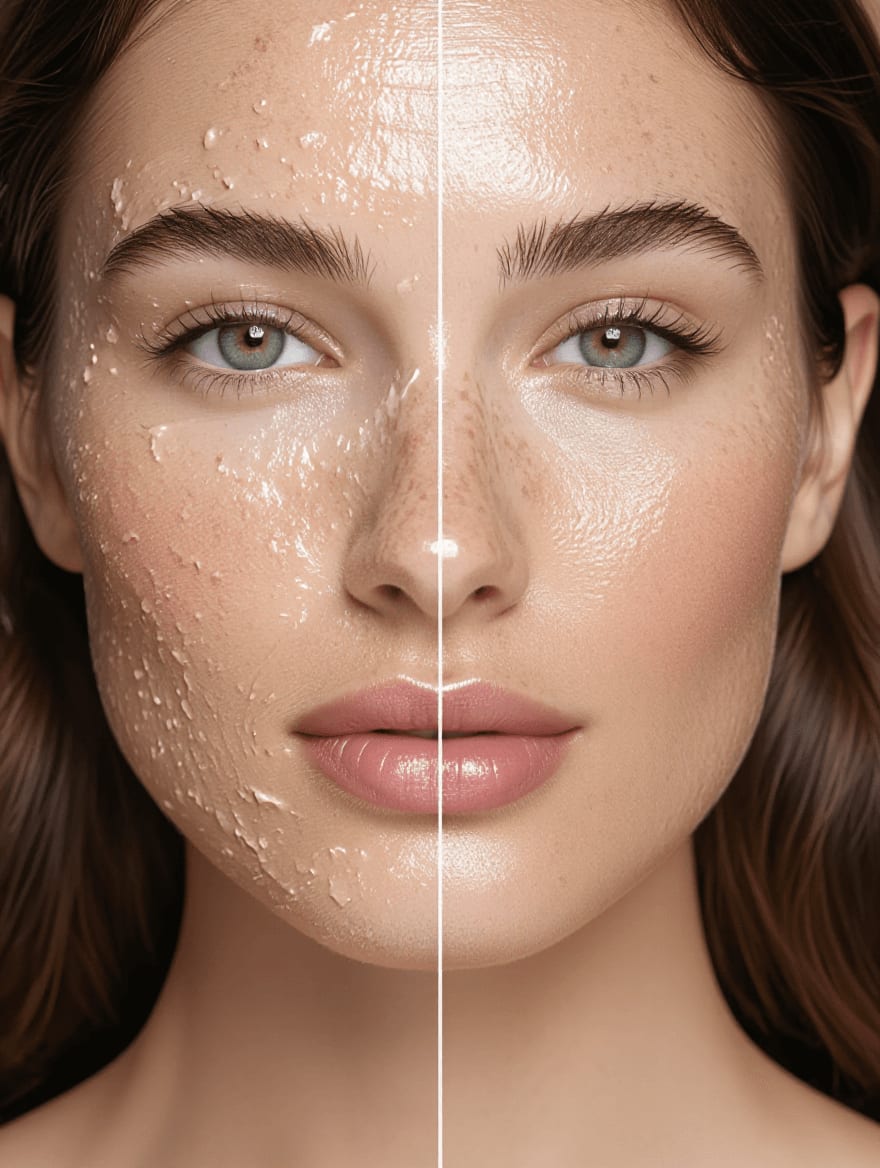
Which Foundation Textures Actually Work for Different Dry Skin Types
The answer to what is the best type of foundation for dry skin depends entirely on whether you're dealing with surface dryness, deep dehydration, or sensitivity alongside dryness. Best foundation for dry and sensitive skin formulas eliminate common irritants like fragrance and essential oils while using mineral-based pigments that don't trigger inflammatory responses. These typically come in cream-to-powder formats that feel emollient during application but set to a natural finish, avoiding the tacky texture that can irritate sensitive skin when it interacts with environmental pollutants throughout the day.
For foundation for dehydrated skin specifically—where your skin produces oil but lacks water—look for water-based serum foundations containing multiple molecular weights of hyaluronic acid. The largest molecules sit on the skin surface providing immediate plumping, medium-weight molecules penetrate the upper epidermis for sustained hydration, and the smallest molecules reach deeper layers for long-term moisture retention. This multi-level hydration approach prevents the mid-day collapse that happens when foundations only address surface dryness. Your skin actually looks better at hour six than at hour one because the foundation continues delivering moisture as it wears.
- Serum foundations: Best for dehydrated skin that still produces oil; lightweight water-based formula with encapsulated hydrators
- Cream foundations: Ideal for severely dry skin lacking both oil and water; contains emollients like shea butter plus humectants
- Cushion foundations: Excellent for mild dryness needing buildable coverage; delivers fresh moisture with each application tap
- Stick foundations: Work for targeted dry patches and spot concealing but can feel heavy if applied all over very dry skin
- Avoid: Powder foundations and matte liquid formulas: Actively absorb moisture from skin and emphasize every flake and dry patch within hours
The best dewy foundation for dry skin category requires caution because 'dewy' has become marketing shorthand for 'contains oils' rather than indicating genuine moisture delivery. Some dewy foundations achieve their glow through mica and pearl particles that reflect light but provide zero hydration—they actually sit on top of dry skin making texture more visible in certain lighting. True dewy foundations for dry skin contain glycerin or propanediol in the first three ingredients, which create luminosity through actual moisture rather than shimmer particles. These formulas look naturally radiant rather than artificially shiny, and the glow increases slightly as your natural oils mix with the foundation throughout the day rather than fading.
If hormonal changes are contributing to your dryness, particularly during perimenopause or menopause when estrogen decline affects moisture retention, explore our guide to non-toxic foundations for hormonal skin that addresses both hydration needs and clean ingredient considerations.
When Hydrating Foundation Advice Completely Backfires
The standard recommendation to apply foundation for really dry skin over heavy moisturizer fails spectacularly for approximately 40% of dry-skinned women because it creates slip that prevents foundation from adhering properly. Your foundation slides around, separates in patches, and disappears from your nose and forehead within two hours—not because the formula is wrong, but because you've created an oil slick that prevents any makeup from gripping your skin. The solution involves waiting a full ten minutes after moisturizer application before starting foundation, allowing your skincare to fully absorb rather than sitting on the surface. For severely dry skin that drinks up product immediately, apply moisturizer, wait five minutes, apply a hydrating serum, wait another five minutes, then proceed with foundation.
Another scenario where conventional wisdom fails: women with foundation for severely dry skin needs being told to avoid setting powder entirely. While heavy powder application absolutely worsens dryness, strategic powder placement is actually essential for longevity. The technique involves using a damp beauty sponge to press—not dust—a minimal amount of finely-milled translucent powder only into your T-zone and any areas prone to creasing. This prevents the foundation from breaking down in these high-movement zones while leaving the rest of your face untouched and dewy. The dampness of the sponge prevents powder from looking chalky while still providing enough set to prevent migration.
The critical contradiction nobody mentions: best moisturising foundation formulas can actually worsen dryness if your skin barrier is compromised from over-exfoliation or harsh actives. When your moisture barrier is damaged, even gentle humectants can cause stinging and increased transepidermal water loss as they pull moisture from deeper skin layers to the damaged surface, where it immediately evaporates. If your skin feels tight and uncomfortable even with hydrating foundation, the issue isn't your foundation choice—it's barrier damage that requires repair before any makeup will perform properly. Spend two weeks using only gentle cleansers and barrier-repair moisturizers with ceramides and cholesterol before reassessing your foundation needs.
What professional makeup artists do differently with makeup for dry skin that beginners miss: they mix a drop of facial oil directly into foundation on the back of their hand before application. This custom-blending technique allows you to adjust any foundation's moisture level to your exact needs that day, which fluctuate based on weather, hormones, and skincare routine. A foundation that felt perfect in humid summer becomes too dry in winter heating—adding one drop of squalane or rosehip oil solves this without requiring a completely different product. Start with a single drop; you can always add more, but too much oil will prevent the foundation from setting and cause it to slide off.
For comprehensive strategies on managing dry skin across all makeup categories, not just foundation, see our complete makeup guide for changing skin that addresses how eye, lip, and color cosmetics need adjustment when dealing with compromised moisture levels throughout hormonal transitions.