
Why Oily Menopausal Skin Needs Different Drugstore Foundations
Oily skin during menopause presents a unique challenge that most drugstore foundation formulas aren't designed to address. Unlike the consistently oily skin of younger women, menopausal oiliness often appears alongside dehydration—your T-zone produces excess sebum while your cheeks remain parched. This happens because hormonal fluctuations trigger erratic oil production in some areas while simultaneously reducing overall moisture retention. Standard mattifying foundations for oily skin worsen this by absorbing all moisture, leaving dry zones flaky while oil breaks through within hours.
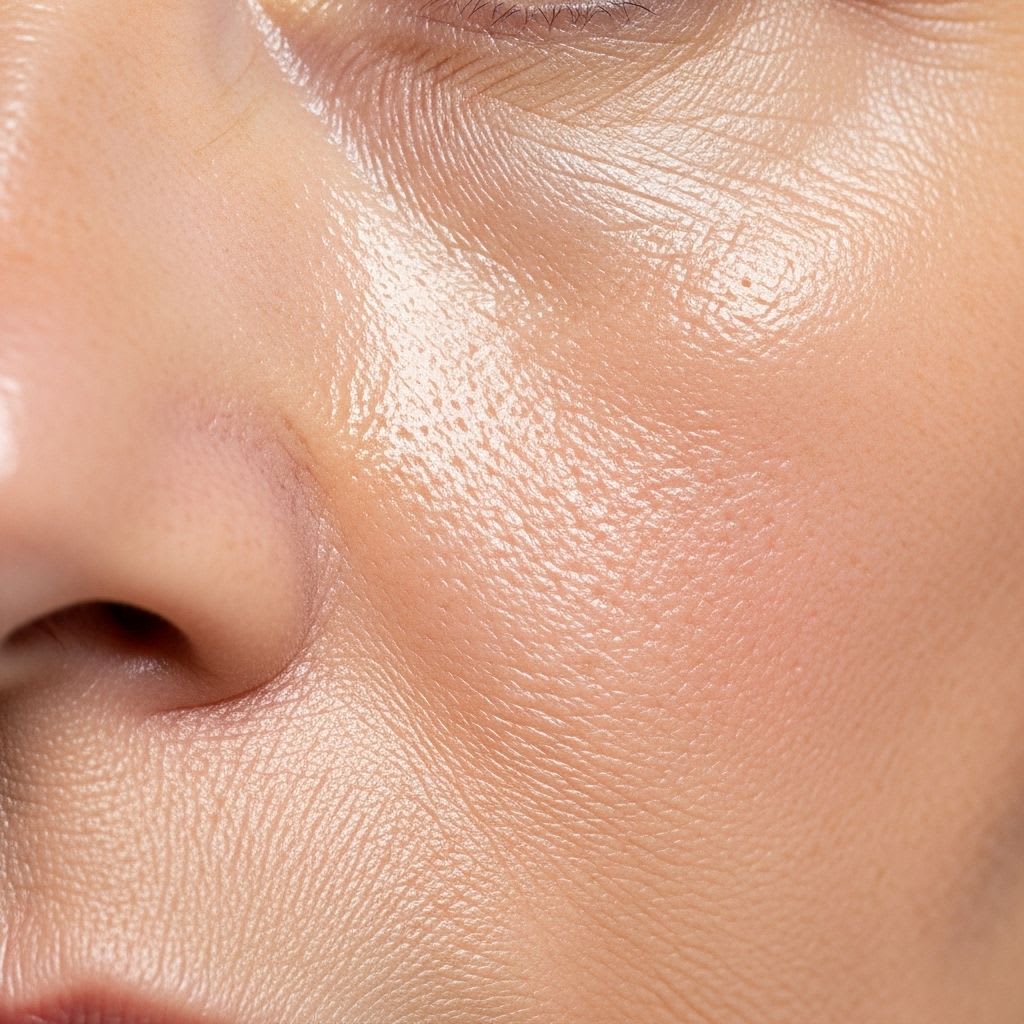
The second complication: menopausal skin has visible texture from decreased collagen, meaning heavy matte formulas cake into enlarged pores and fine lines. What worked beautifully at 35 can look aging and unflattering at 50, even if your skin is still oily. The best drugstore foundations for this stage balance oil control with enough slip and hydration to prevent settling into texture. This requires formulas labeled 'semi-matte,' 'natural finish,' or 'oil-free but hydrating'—terminology that seems contradictory but addresses exactly this skin profile.
Cost considerations matter during menopause when many women are managing multiple symptom-relief expenses. Drugstore foundations at under $20 can perform comparably to prestige options if you understand which specific formulations address combination oily-dehydrated skin. The key isn't price—it's ingredient selection and finish type. Learn more about broader makeup considerations in our complete makeup guide for menopausal skin changes.
Common Myths About Drugstore Foundation for Oily Mature Skin
Myth: Maximum Matte Formulas Control Oil Best
Ultra-matte drugstore foundations marketed for 'extreme oil control' typically contain high concentrations of silica, kaolin clay, or absorbent powders. While these control shine on young, resilient skin, they create a dried-out, aged appearance on menopausal skin by clinging to every texture irregularity. Within 3-4 hours, oil breaks through in patches while the foundation remains caked in pores and fine lines, creating an unflattering two-tone effect.
What actually works: semi-matte or 'natural radiant' drugstore foundations with oil-absorbing technology that's gentler than clay-based formulas. Look for ingredients like dimethicone or nylon powder, which absorb oil without completely stripping moisture. These provide 6-8 hours of oil control while maintaining enough luminosity to prevent the flat, makeup-heavy look that ages mature faces. The trade-off is you'll need one blotting paper touch-up mid-day rather than zero shine, but your skin looks natural instead of artificially matte.
Myth: Drugstore Foundations Can't Handle Menopausal Skin Changes
Many women assume they must upgrade to luxury foundations once menopause changes their skin. This belief costs hundreds of dollars annually on products that often perform identically to drugstore alternatives. The misconception stems from marketing, not formulation differences—drugstore brands use many of the same technologies and ingredients as prestige brands, just with simpler packaging and less advertising budget.
The honest reality: drugstore foundations excel at basic oil control and coverage, which is exactly what oily menopausal skin needs. Where they sometimes fall short is shade range and undertone accuracy, requiring more testing to find your match. Premium foundations justify their cost primarily through extensive shade ranges and refined textures, not superior oil control. For managing oiliness specifically, a well-chosen $15 drugstore foundation often outperforms a $60 prestige option, especially when you understand which specific formulas address the dehydration-plus-oil paradox.
Practical Selection Strategy for Drugstore Foundations
Ingredient Red Flags vs. Green Lights
Reading drugstore foundation labels reveals which formulas will work for oily menopausal skin. Avoid foundations listing alcohol denat in the first five ingredients—this drying agent triggers reactive oil production where your skin compensates for dehydration by producing more sebum. Also skip formulas with heavy mineral oil or petrolatum high on the ingredient list, as these create a barrier that traps oil underneath while preventing skincare absorption.
Green light ingredients include dimethicone (provides slip without oil), glycerin (hydrates without greasiness), and niacinamide (regulates oil production over time). Foundations labeled 'oil-free' or 'non-comedogenic' prevent additional pore-clogging, crucial when menopausal hormones already trigger breakouts. The best drugstore options combine water-based or silicone-based formulas with light-reflecting particles—these control oil while preventing the flat, lifeless appearance that pure matte creates on textured skin.
Application Technique That Maximizes Drugstore Performance
Drugstore foundations require more careful application on oily menopausal skin than on younger skin because they typically have less refined textures. The damp sponge method transforms performance—wet a makeup sponge, squeeze out excess water, then stipple foundation onto skin in pressing motions rather than rubbing. This sheers out coverage slightly while preventing the product from catching on dry patches or settling into enlarged pores.
For combination oily-dry menopausal skin, use zone-specific application: apply foundation more liberally on oily T-zone where it's needed, then barely dust it over dry areas. This prevents the common mistake of applying even coverage everywhere, which either under-controls oil or over-dries parched zones. Set only the oily areas with translucent powder—leave dry zones completely unpowdered. This targeted approach makes drugstore foundations perform like custom formulations designed specifically for your skin pattern.
When Drugstore Options Actually Fail: The Exception Case
There's one scenario where drugstore foundations genuinely struggle with menopausal skin: severe hormonal acne combined with extreme oiliness requiring full coverage that still looks skin-like. Drugstore full-coverage formulas tend to be either very matte (aging) or somewhat greasy (breaks up on oily skin). If you need both maximum coverage and sophisticated oil control, this is the rare case justifying investment in a mid-range or prestige foundation.
However, many women overestimate their coverage needs. Medium coverage handles most discoloration and texture concerns, and drugstore options excel here. Before concluding drugstore won't work, ensure you've tried the damp sponge application, proper skincare prep, and zone-specific powder. Also consider that your skin might actually be dehydrated rather than oily—a common confusion where tight, flaky skin overproduces oil to compensate. If switching to hydrating products controls your 'oily' skin, explore our guide to hydrating foundations instead.