
Why Menopausal Skin Becomes Hypersensitive to Foundation
Sensitivity during menopause isn't just psychological—it's a measurable change in skin barrier function. Estrogen decline reduces ceramide production by 40-50%, weakening the protective lipid barrier that shields skin from irritants. Foundations you wore for decades suddenly cause redness, stinging, or breakouts because your skin's defense system has fundamentally changed. The proteins that trigger allergic responses become more accessible to ingredients that previously caused no issues.
Additionally, menopausal skin experiences chronic low-grade inflammation that primes it for reactive responses. When you apply foundation containing preservatives, fragrances, or certain emulsifiers, the already-inflamed skin overreacts. This explains why products labeled hypoallergenic still cause problems—the term has no regulated definition and doesn't account for menopause-specific sensitivity triggers. Understanding this helps you evaluate foundation claims critically rather than trusting marketing language. Learn more about menopausal skin changes in our complete makeup guide for changing skin.
The skin pH also shifts during menopause, becoming more alkaline. Most foundations are formulated for slightly acidic skin, so the pH mismatch itself becomes an irritant. This is why mineral foundations often work better—their simpler formulations adapt more easily to varying pH levels without requiring pH-adjusting buffers that can irritate sensitive skin.
What Actually Makes Foundation Hypoallergenic (Myths vs. Reality)
Myth: Hypoallergenic Labels Guarantee No Reactions
The term hypoallergenic is unregulated marketing language with no standardized testing requirement. A brand can label any product hypoallergenic based solely on removing common allergens like fragrance, yet still include methylisothiazolinone (a preservative causing increasing sensitivity rates) or botanical extracts that trigger reactions in menopausal skin. Many hypoallergenic foundations contain 20+ ingredients, each a potential irritant.
What works instead: foundations with fewer than 10 ingredients total, regardless of hypoallergenic claims. Mineral powder foundations typically contain 4-6 ingredients—zinc oxide, titanium dioxide, iron oxides for color, and sometimes mica for finish. This simplicity means fewer opportunities for reactions. Liquid mineral foundations add a carrier oil or two, keeping ingredient counts under 10. Compare this to conventional liquid foundations with 30-50 ingredients, where identifying the specific irritant becomes nearly impossible.
Myth: Natural or Organic Automatically Means Gentle
Natural ingredients cause allergic reactions frequently—poison ivy is natural. Many natural foundations contain essential oils, plant extracts, and botanical preservatives that are more allergenic than synthetic alternatives. Lavender oil, chamomile extract, and tea tree oil all appear in natural foundations marketed to sensitive skin, yet these are documented contact allergens. The proteins in plant materials are complex and more likely to trigger immune responses than simple synthetic molecules.
The contradiction: some synthetic ingredients are gentler for sensitive menopausal skin than natural alternatives. Synthetic iron oxides used for color are purer and less reactive than mineral-sourced versions that may contain trace contaminants. The key is ingredient simplicity and known safety profiles, not natural versus synthetic categorization. For truly sensitive skin, mineral-based formulas with synthetic colorants often outperform all-natural products. Explore more about safe formulations in our guide to non-toxic foundations.
Reality: Preservative Systems Are the Biggest Sensitivity Trigger
Preservatives prevent bacterial growth in liquid foundations but cause the majority of sensitivity reactions in menopausal skin. Common preservatives like parabens, phenoxyethanol, and formaldehyde releasers all show increasing reaction rates in women over 45. This creates a dilemma: liquid foundations need preservatives to stay safe, but those preservatives cause irritation.
The solution for extremely sensitive skin: powder mineral foundations contain no water and therefore need no preservatives. This single factor makes them dramatically less irritating for many women. If you need liquid coverage, look for foundations with minimal preservative systems—typically one gentle preservative rather than a blend of three or four. Airless pump packaging also reduces preservative needs by preventing contamination. This represents a trade-off: powder requires more application skill but eliminates the largest sensitivity trigger.
Choosing the Right Foundation Type for Your Sensitivity Level
Mild Sensitivity: Lightweight Liquid Mineral Foundations
If you experience occasional redness or slight stinging with conventional foundations, liquid mineral formulas offer good coverage with reduced irritant exposure. These contain mineral pigments suspended in oils or silicones rather than complex emulsions requiring multiple preservatives and stabilizers. Look for ingredient lists with 10-15 total ingredients, starting with cyclopentasiloxane or similar silicones, followed by zinc oxide and titanium dioxide for coverage.
These formulas work well for light to medium coverage needs and blend easily with conventional application tools. The trade-off: silicone-based mineral liquids may not provide the dewiness some menopausal skin needs, tending toward satin-matte finishes. They also require more frequent reapplication than powder minerals, as the silicone carrier can separate from pigments over 6-8 hours.
Moderate to Severe Sensitivity: Pure Mineral Powder Foundations
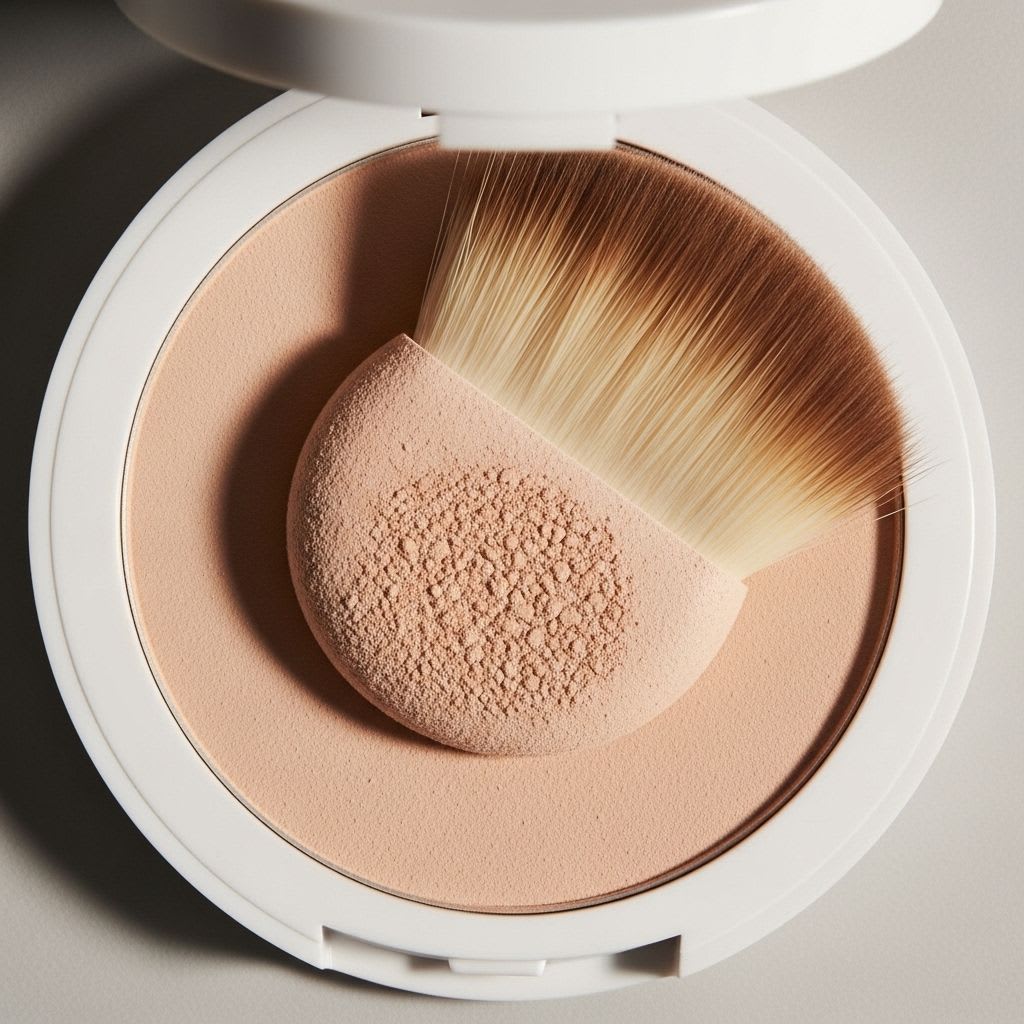
When foundations consistently cause burning, breakouts, or persistent redness, powder mineral foundations become essential. The best formulas for extremely sensitive menopausal skin contain only zinc oxide, titanium dioxide, iron oxides, and optionally mica—nothing else. These four ingredients provide coverage, sun protection (zinc and titanium are physical UV blockers), color matching, and finish without any known allergens.
Application requires adjustment: apply over moisturizer that's fully absorbed, use a dense kabuki brush, and build coverage gradually in thin layers. Many women initially dislike powder because they apply it like they did at 25—over bare skin with light dusting. Menopausal skin needs the powder pressed into well-moisturized skin for proper adhesion and natural finish. The limitation: powder minerals rarely achieve full coverage on their own. For blemishes or discoloration, spot-conceal first with a compatible mineral concealer, then apply powder foundation.
When Sensitivity Requires Complete Foundation Elimination
Some women experience sensitivity so severe that even pure mineral formulas cause reactions. This typically indicates barrier damage requiring repair before any makeup will be tolerated. The honest answer: foundation isn't possible during these phases. Instead, focus on barrier restoration with ceramide-rich moisturizers, eliminate all makeup for 2-4 weeks, and use only tinted mineral sunscreen if coverage is essential.
This represents a complete reversal from lifelong makeup habits and can feel devastating. However, continuing to force foundation application during severe sensitivity creates a cycle of inflammation and damage that extends recovery time from weeks to months. The temporary elimination allows skin to rebuild defenses, after which gradual reintroduction of minimal-ingredient mineral foundations usually succeeds. This isn't failure—it's strategic retreat that enables long-term success.