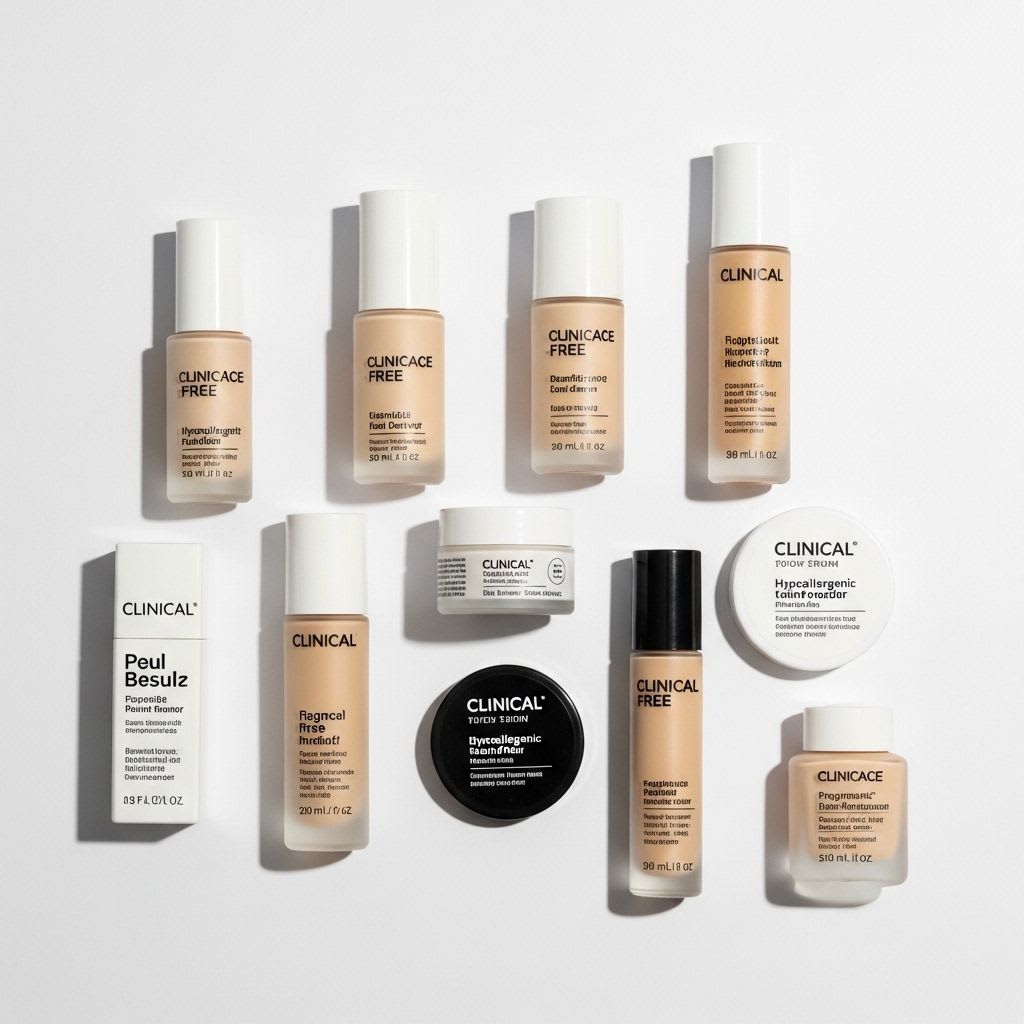
Why Fragrance in Foundation Matters More Than You Think
The search for the best fragrance free foundation isn't just about avoiding unpleasant scents—it's about protecting your skin from one of the most common irritants in cosmetics. Fragrance compounds, whether synthetic or natural, consist of dozens to hundreds of individual chemicals that manufacturers aren't required to disclose. A single 'parfum' or 'fragrance' listing on an ingredient label can represent 50+ undisclosed allergens, making it impossible to identify which specific compound triggers your reactions.
What dermatological research confirms: fragrance ranks as the leading cause of cosmetic contact dermatitis, responsible for 30-45% of all makeup-related skin reactions. During menopause, declining estrogen compromises skin barrier function, increasing susceptibility to irritants by approximately 40%. This explains why foundations you tolerated for years suddenly cause redness, itching, or burning. Your skin hasn't become 'difficult'—hormonal changes have reduced its defensive capacity against chemical irritants that fragrance introduces.
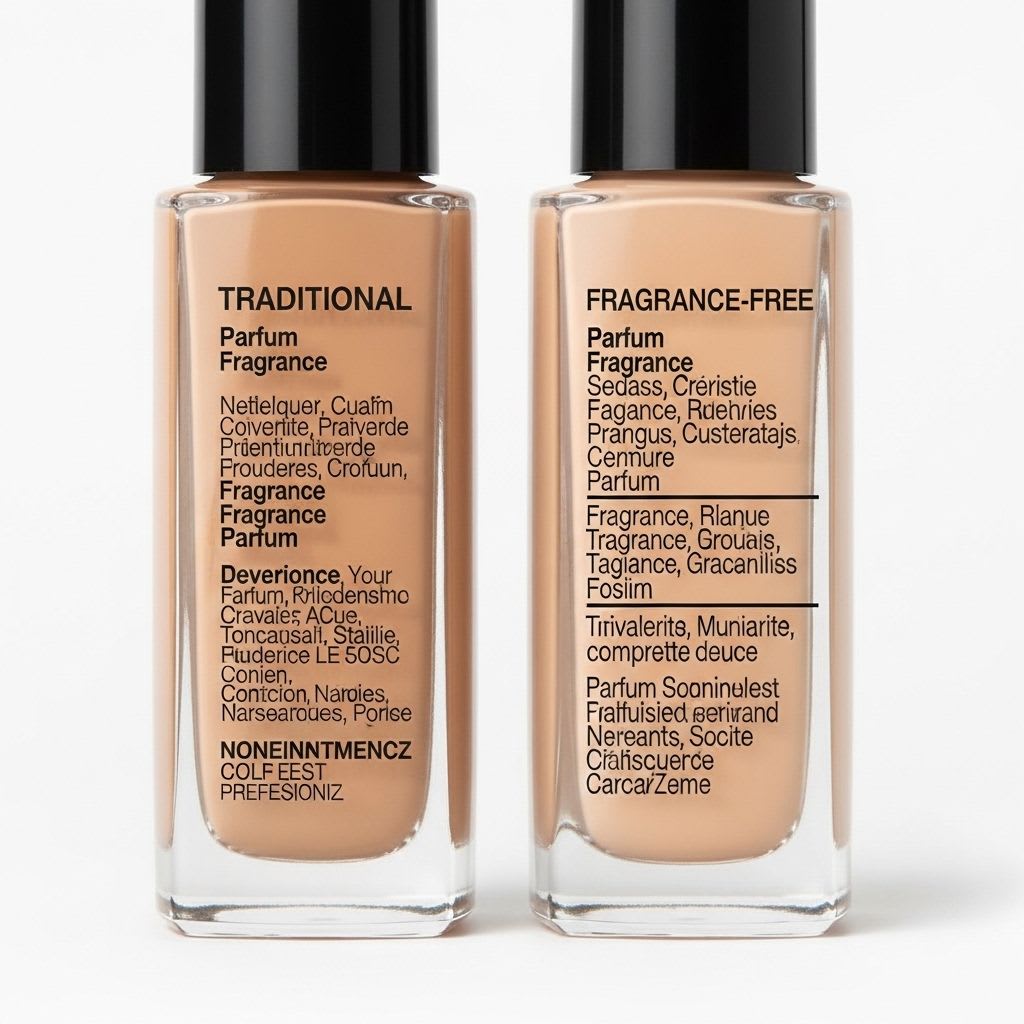
The critical distinction many miss: 'unscented' doesn't mean fragrance-free. Unscented products often contain masking fragrances that neutralize the natural smell of raw ingredients without adding noticeable scent. These masking agents are still fragrance compounds that can trigger reactions. Only products specifically labeled fragrance-free contain zero added fragrance materials. For comprehensive guidance on safe makeup during hormonal transitions, see our complete makeup guide for menopause skin changes.
Myths Preventing You From Finding Safe Foundation
Myth 1: Natural Fragrance Is Safer Than Synthetic
The contradiction between marketing claims and clinical evidence: essential oils and botanical extracts used as 'natural fragrance' often cause more reactions than synthetic fragrances. Compounds like limonene, linalool, and geraniol—common in lavender, citrus, and rose oils—are potent sensitizers. When you see 'naturally scented' or 'essential oil blend' on foundation labels, understand you're getting fragrance compounds that simply originated from plants rather than labs. Neither is inherently safer for sensitive skin.
Myth 2: You Need to Sacrifice Performance for Safety
What beginners misunderstand about fragrance free makeup brands is that eliminating fragrance doesn't require compromising coverage, finish, or longevity. Fragrance serves zero functional purpose in foundation—it's purely cosmetic, added to mask the natural smell of pigments and oils. Modern fragrance-free formulas from brands like Clinique, BareMinerals, and physician-developed lines perform identically to fragranced versions because the active ingredients remain unchanged. The trade-off? You smell mineral pigments and silicones during application, which some find off-putting despite no skin-health consequences.
Myth 3: If You're Not Reacting, Fragrance Isn't a Problem
Here's what clinical evidence reveals about fragrance sensitivity: it develops through cumulative exposure over time, not always through immediate reaction. You can use fragranced foundation for years without issue, then suddenly develop contact dermatitis as your immune system reaches its threshold for that specific allergen combination. This delayed sensitization explains why many women first experience fragrance reactions during menopause—decades of exposure finally exceed their skin's tolerance capacity, exacerbated by hormonal barrier compromise.
Selecting Truly Fragrance Free Foundation
The most reliable fragrance free foundation comes from brands with dermatologist partnerships or medical-grade cosmetic divisions. These companies formulate specifically for compromised skin barriers and undergo rigorous sensitivity testing. Look for explicit 'fragrance-free' claims on packaging rather than relying on 'hypoallergenic' alone, which has no regulated definition and doesn't guarantee fragrance exclusion.
What experienced users verify when selecting fragrance-free options:
- Read the complete ingredient list: Scan for parfum, fragrance, essential oils, or specific compounds like limonene, linalool, citronellol, and geraniol. These indicate fragrance presence regardless of 'fragrance-free' claims on the front label.
- Distinguish between fragrance-free and preservative-free: Some sensitive individuals confuse these categories. Preservatives like phenoxyethanol are necessary for product safety and rarely cause issues. True fragrance compounds are optional additives with no preservation function.
- Expect a neutral or slight chemical smell: Fragrance-free foundation smells like its raw materials—minerals, silicones, and oils. This scent dissipates within minutes of application. If a product smells 'nice' or has noticeable scent, it contains fragrance regardless of label claims.
Trusted fragrance free makeup brands include clinical lines (Clinique, La Roche-Posay, Colorescience), mineral-focused brands (BareMinerals, Jane Iredale), and clean beauty companies that prioritize sensitive skin (Beautycounter, RMS Beauty in select products). Always verify current formulations, as brands occasionally reformulate to add fragrance. For comprehensive non-toxic options during menopause, explore our guide to non-toxic foundation for menopausal skin.
When Fragrance Free Formulas Still Cause Reactions
Here's the edge case that confuses typical fragrance-free recommendations: some women experience reactions to legitimately fragrance-free foundations due to sensitivity to other common ingredients like preservatives (parabens, phenoxyethanol), sunscreen filters (avobenzone, octinoxate), or even natural minerals (bismuth oxychloride). When switching to fragrance-free foundation eliminates one irritant but reactions persist, you're dealing with multiple sensitivities that require systematic elimination testing. The solution involves patch-testing individual ingredients, which dermatologists can facilitate through specialized panels. Keep a detailed reaction diary noting every product used and symptoms experienced—patterns emerge that identify culprits beyond fragrance. The limitation? This investigative process takes weeks to months and may reveal you're sensitive to ingredients present in most foundations, potentially limiting you to 2-3 ultra-minimal formulas. Some women find this restrictive and frustrating, preferring to manage mild reactions with antihistamines rather than severely limiting product options. There's no universal right answer—you're balancing skin health against personal preference and lifestyle needs.