
The Hybrid Foundation Promise vs. Menopausal Skin Reality
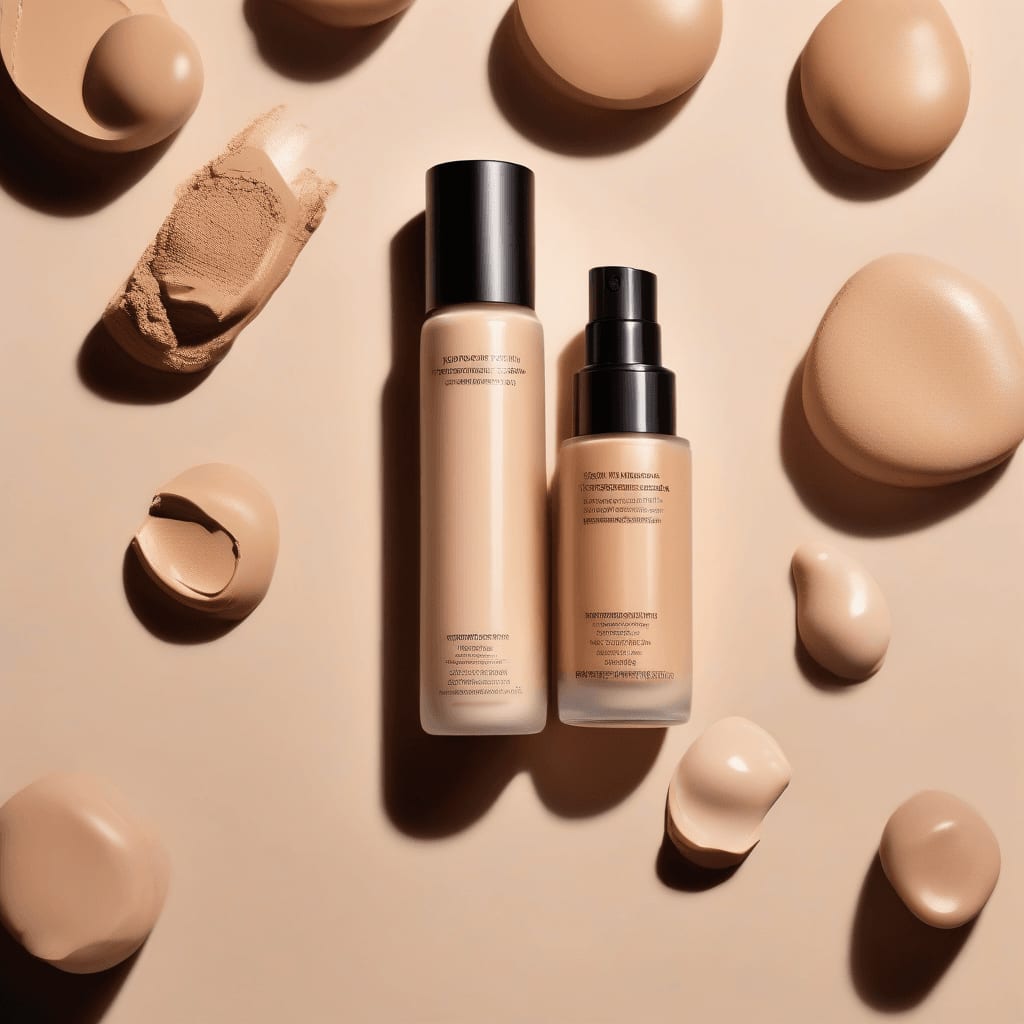
The appeal of liquid to powder foundation is seductive: the ease of liquid application that transforms into the shine-controlling, pore-blurring finish of powder. For women experiencing the unpredictable oil production of perimenopause—where your T-zone becomes unexpectedly greasy while your cheeks flake—this seems like the perfect solution. The reality is more complicated. These formulas work through volatile silicones that evaporate upon contact with skin, leaving behind pigment and silica in a powder matrix. This transformation happens whether your skin is properly hydrated or desperately dry, which creates dramatically different results depending on your current hormonal state.
Here's what dermatologists observe that cosmetic marketing glosses over: foundation that dries like powder performs beautifully on skin with adequate natural moisture retention—typically younger skin or menopausal skin supplemented by estrogen therapy. On skin experiencing significant hormonal dryness, the evaporation process pulls additional moisture from your epidermis, often leaving a tight, uncomfortable sensation within hours. The powder finish that looks flawless immediately can emphasize fine lines by midday as your dehydrated skin attempts to compensate by producing oil in random patches, creating an uneven texture that wasn't visible with your morning application.
The misconception that destroys results for most mature users: assuming all cream to powder foundation formulas function identically. Compact powder foundations that you apply with a sponge use completely different chemistry than liquid-to-powder formulas. Compact versions contain binding waxes that can actually provide moisture, while liquid-to-powder relies on evaporation—a fundamental difference that determines success or failure on hormonally-changing skin. Women switching from traditional powder compacts to liquid-to-powder expecting similar results often experience unexpected dryness because they're comparing two entirely different product categories that simply share confusing naming conventions.
When This Formula Type Actually Excels
The best liquid to powder foundation for menopausal skin works in highly specific circumstances that most articles never clarify. If you're in early perimenopause with combination skin—dry patches around your nose and mouth but increased oiliness across your forehead and chin—these formulas offer genuine advantages. Apply the liquid formula more heavily in your oily zones and barely touch dry areas, allowing the powder transformation to control shine where you need it while minimizing drying effects where you don't. This targeted application requires more skill than uniform coverage, but it leverages the formula's unique properties rather than fighting against them.
Another success scenario: hot flash management during summer months. Women experiencing frequent hot flashes report that traditional cream foundations separate and slide off with perspiration, while pure powder formulas turn patchy when they contact moisture. Liquid-to-powder foundations create a flexible film that tolerates moderate perspiration without complete breakdown—not perfect, but significantly better than alternatives during high-heat situations. The powder finish also feels cooler on skin than emollient-heavy cream foundations, providing minor but appreciated comfort during temperature fluctuations. For extended wear in challenging conditions, setting the powder finish with a light dusting of translucent powder creates surprising longevity.
The Skin Prep That Makes or Breaks These Formulas
The difference between liquid-to-powder success and disaster on mature skin comes down to the fifteen minutes before application that most tutorials completely skip. Your skin must be genuinely hydrated—not just moisturized with a surface cream—for these formulas to perform correctly. This means applying a hydrating serum containing hyaluronic acid or glycerin, waiting three full minutes for absorption, then following with a lightweight moisturizer that contains humectants rather than heavy occlusives. The best cream to powder foundation will still emphasize dryness if applied to skin that hasn't achieved optimal hydration from within.
Here's the application technique that professional makeup artists use but rarely share publicly: apply liquid-to-powder formulas with a damp beauty sponge, not dry fingers or brushes. The slight moisture in the sponge slows the evaporation process by approximately 30 seconds, giving you crucial extra time to blend and smooth before the powder set occurs. This matters enormously around eye areas and nasolabial folds where product can settle into lines if it dries before you've achieved seamless blending. Dampen your sponge, squeeze thoroughly, then press and roll the foundation onto skin rather than wiping or dragging—the gentle pressing motion deposits product without disturbing your carefully prepped moisture barrier.
- Pre-application hydration: Layer hyaluronic serum plus lightweight moisturizer at least 5 minutes before foundation to prevent moisture loss
- Damp sponge technique: Slows powder transformation giving extra blending time around delicate eye and mouth areas
- Minimal layering: Build coverage through multiple thin applications rather than one thick layer that can look cakey
- Avoid: Applying over silicone primers: Creates slippery base that prevents proper powder adhesion and causes uneven settling
The ingredient list reveals whether a formula will work for your specific skin concerns. Look for dimethicone or cyclopentasiloxane in the first three ingredients—these are the volatile silicones responsible for the liquid-to-powder transformation. If these appear after the fifth ingredient, the formula won't deliver the true powder finish you're expecting. Simultaneously, check for glycerin, sodium hyaluronate, or aloe in the middle of the ingredient list—these humectants provide ongoing moisture even after the silicones evaporate, which dramatically improves performance on dry mature skin. A liquid-to-powder foundation lacking any humectants will almost certainly emphasize dryness and fine lines on post-menopausal skin within a few hours.
For broader guidance on selecting foundation formulas that complement mature skin's specific needs, explore our comprehensive guide to foundations that actually work after 50 covering all formula types and their ideal use cases.
When Liquid-to-Powder Formulas Completely Backfire
The standard advice to try liquid-to-powder foundations for oily mature skin fails catastrophically for women with rosacea or skin experiencing inflammatory hormonal changes. The alcohol denat or SD alcohol often included to accelerate evaporation triggers visible flushing in reactive skin within minutes of application. You'll achieve the matte finish you wanted, but accompanied by redness and irritation that defeats the purpose of wearing foundation. If you have any inflammatory skin conditions alongside menopausal symptoms, foundation that dries like powder through chemical evaporation should be avoided entirely in favor of mechanical powder compacts that don't rely on potentially irritating solvents.
Another failure scenario rarely discussed: these formulas perform terribly in dry climates or heated indoor environments. The evaporation process that creates the powder finish accelerates dramatically in low-humidity conditions, often setting before you've finished blending. Women living in desert climates or working in air-conditioned offices report that liquid-to-powder foundations dry in uneven patches, creating a mottled appearance that's nearly impossible to correct without complete removal and reapplication. The same formula that gives beautiful results in humid coastal climates can look absolutely terrible in arid environments—a geographical consideration that product reviews almost never mention.
The critical contradiction between marketing promises and actual performance: liquid-to-powder foundations advertised for their 'long-wearing' properties often wear worse on mature skin than traditional formulas. The powder finish these create lacks the flexibility of cream foundations—when your facial expressions create natural movement and folding of skin, the rigid powder film can crack along expression lines, creating visible settling that pure liquid foundations don't exhibit. This becomes particularly apparent around the eyes and mouth after 4-6 hours of wear. If you speak frequently, give presentations, or have very animated facial expressions, the powder set of these formulas will likely emphasize movement lines more than a semi-matte liquid foundation that maintains slight flexibility throughout the day.
The most honest assessment: best liquid to powder foundation formulas work brilliantly for about 40% of menopausal women—those in early perimenopause with combination skin, adequate natural moisture, and no inflammatory conditions. For the other 60% dealing with significant dryness, sensitivity, or advanced skin texture changes, these formulas create more problems than they solve. The beauty industry's failure to acknowledge this success rate leaves women believing they're applying the product incorrectly when the formula type simply isn't compatible with their current skin biology. There's no shame in determining that liquid-to-powder doesn't work for you—it's a legitimate assessment of chemistry meeting physiology, not a personal failing.
For a complete approach to makeup application that addresses all aspects of hormonal skin changes beyond just foundation selection, see our comprehensive menopause makeup guide covering eyes, lips, and color cosmetics that work harmoniously with changing skin.