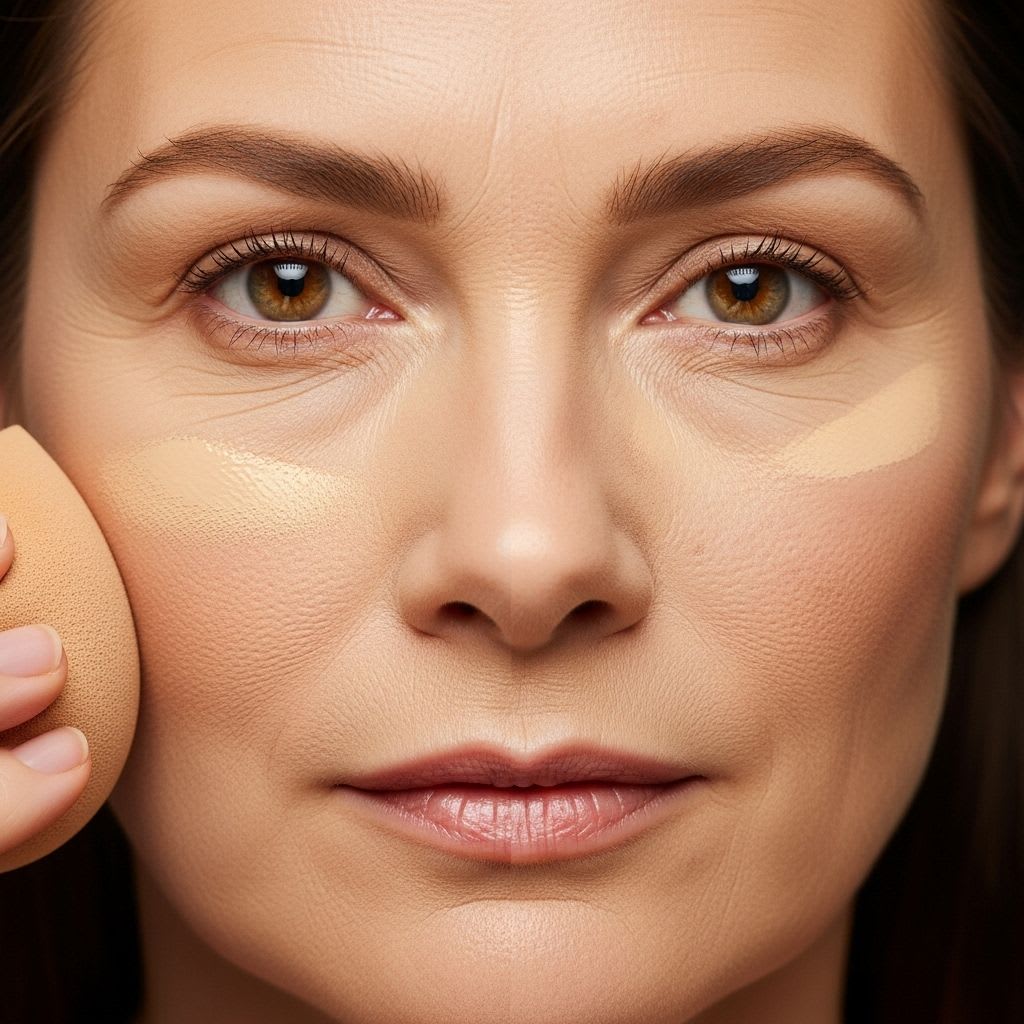
Why MAC's Iconic Foundations Don't All Work on Mature Skin
The best MAC foundation for mature skin requires navigating a professional makeup line originally engineered for stage, film, and photography rather than everyday wear on aging skin. MAC's heritage as a pro brand means many formulas prioritize extreme longevity, transfer-resistance, and camera-ready finish over the comfort and skin-like appearance that mature complexions need for daily wear. Products designed to withstand theatrical lighting and 12-hour shoots often use mattifying technologies and heavy silicones that emphasize texture on skin experiencing collagen loss and dehydration. The cult-favorite status of certain MAC foundations stems from their performance on young makeup artists and models, not necessarily their suitability for women over 50.
Here's what professional makeup artists understand about MAC foundation for mature skin that beauty counter recommendations often miss: MAC's extensive range includes formulas across the spectrum from ultra-matte to dewy, sheer to full-coverage, intended for vastly different applications. The Studio Fix Powder that creates flawless finish on smooth young skin settles into every line on mature complexions. The Pro Longwear designed for all-day photo shoots on models becomes cakey and emphasizes texture on aging skin by afternoon. However, MAC's lesser-known hydrating formulas—Face and Body, Studio Waterweight, Strobe Cream—perform beautifully on mature skin precisely because they weren't engineered for extreme performance but for natural, skin-like results.
The critical factor most advice overlooks: best MAC foundation for aging skin requires completely different shade selection than you'd use from other brands because MAC's numbering system and undertone descriptors follow professional color theory rather than consumer-friendly categorization. NC (neutral cool) actually means warm-toned despite the name, while NW (neutral warm) indicates cool undertones—counterintuitive labeling that confuses even experienced makeup users. Additionally, MAC shades often run lighter than comparable shades in other brands, and the undertones are more saturated, requiring careful testing on your actual face in natural lighting rather than trusting hand swatches or previous foundation knowledge.
The Studio Fix Paradox for Mature Skin
Studio Fix Fluid and Studio Fix Powder represent MAC's best-selling foundations globally, beloved for their full coverage and long wear. However, these formulas fail spectacularly on most mature skin because they're engineered for the exact opposite characteristics—oily, resilient young skin needing shine control and extreme longevity. Studio Fix contains mattifying ingredients that actively absorb moisture, creating the caked, settled appearance that plagues mature skin within hours. The very properties that make Studio Fix beloved by twenty-somethings—oil control, transfer-resistance, buildable opacity—become liabilities on dehydrated, textured aging skin that needs hydration, flexibility, and subtle coverage.
What professional makeup artists know about Studio Fix on mature clients: it works only on the rare older woman with genuinely oily skin and minimal texture—perhaps 5% of the mature demographic. For everyone else, the mattifying technology emphasizes every line and dry patch while the full coverage looks heavy and obvious rather than flawless. The tragedy is that Studio Fix's cult status leads mature women to assume they're applying it incorrectly when the actual issue is fundamental formula incompatibility with their skin's changed characteristics. No technique adjustment makes a mattifying, oil-absorbing foundation work on severely dry, dehydrated mature skin.
Which MAC Foundations Actually Flatter Mature Skin
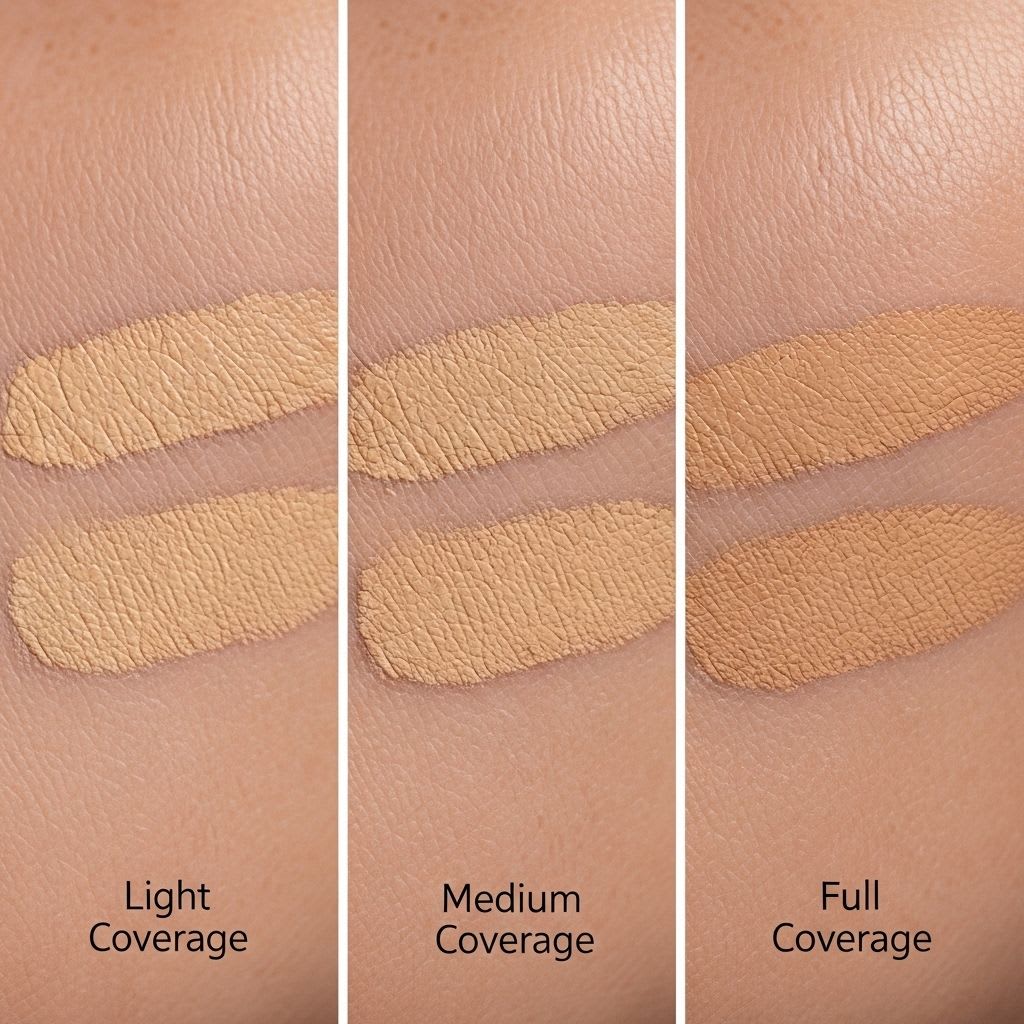
Face and Body Foundation represents MAC's best-kept secret for mature skin—a water-based, buildable formula originally created for body makeup but beloved by professional artists for natural face application. This lightweight foundation contains glycerin and chamomile providing hydration alongside sheer-to-medium coverage that builds without caking. The formula moves with skin rather than setting to rigid finish, preventing the creasing that plagues mature complexions. Face and Body creates the second-skin effect that makes foundation invisible while evening tone and providing subtle coverage, though it requires setting with powder for longevity and won't satisfy those needing full coverage.
Studio Waterweight SPF 30 Foundation offers another mature-skin-friendly option with serum-like texture and built-in sun protection. This water-based formula provides medium coverage that doesn't settle into lines because it maintains moisture throughout wear rather than drying down to matte finish. The lightweight feel prevents the heavy, made-up appearance that full-coverage formulas create on mature skin, while the buildable nature allows strategic coverage where needed without full-face opacity. The SPF 30 provides supplemental protection, though you should still use dedicated sunscreen underneath as foundation application doesn't provide adequate sun protection regardless of stated SPF.
- Face and Body Foundation: Water-based, buildable, moves with skin; ideal for natural finish on mature skin but requires powder setting
- Studio Waterweight SPF 30: Serum foundation with hydration; medium coverage that doesn't settle into texture
- Next to Nothing Face Color: Tinted moisturizer for minimal coverage days; lightweight hydration with subtle evening
- Studio Face and Body Radiant Sheer Foundation: Enhanced version of Face and Body with added radiance; creates luminous finish
- Avoid: Studio Fix (fluid or powder), Pro Longwear: Mattifying formulas that emphasize texture and settle into every line on mature skin
The mixing strategy that professional artists use with MAC foundations on mature clients involves combining Face and Body with Strobe Cream—MAC's liquid highlighter—to create custom luminous foundation with adjustable coverage and glow. Mix 3 parts Face and Body with 1 part Strobe Cream on the back of your hand before application, which adds dimension and radiance that combats the flatness mature skin develops from volume loss. This custom approach provides control over both coverage level and finish, creating results impossible to achieve with any single MAC foundation straight from the bottle.
Application technique matters exponentially more with MAC foundations on mature skin because their professional-grade pigment concentration requires precise blending that casual application doesn't provide. Use damp beauty sponges to press Face and Body or Waterweight into skin in thin layers, building coverage gradually rather than applying full coverage immediately. Allow 30 seconds between layers for water-based formulas to set before adding more product. Set strategically with minimal powder only in areas prone to creasing—inner eye corners and smile lines—leaving the rest of the face with the natural finish that makes MAC's hydrating formulas successful on aging skin.
For comprehensive understanding of foundation formulas across all brands specifically engineered for mature skin characteristics, explore our detailed guide to the best foundations for mature skin over 50 that covers formulation types and techniques beyond MAC's offerings.
When MAC Foundation Recommendations for Mature Skin Completely Fail
The universal recommendation to use MAC's lightest coverage formulas on mature skin fails for women with significant discoloration, rosacea, or melasma requiring genuine coverage that sheer formulas cannot provide. Face and Body's beautiful natural finish doesn't help when you need to cover pronounced redness or dark spots that persist through multiple thin layers. Sometimes mature skin needs the opacity of Studio Fix despite its textural drawbacks, requiring acceptance of some settling in exchange for adequate coverage of skin concerns that cause more distress than visible texture. The solution involves strategic application—full coverage only where absolutely needed with lighter formulas everywhere else.
Another scenario where conventional wisdom backfires: MAC counter artists trained on general application techniques recommending formulas based on your stated preferences rather than your actual skin characteristics. If you say you want full coverage and long wear, they'll demonstrate Studio Fix regardless of your mature skin's unsuitability for mattifying formulas. MAC's professional positioning doesn't guarantee the artists working retail counters understand mature skin needs—they're often younger individuals trained on trending products popular with their demographic. Bring reference images of the finish you want and explicitly state your concern about texture emphasis rather than trusting expertise that may not account for aging skin realities.
The critical contradiction between MAC's shade range and mature skin needs: while MAC offers superior shade diversity compared to most brands, the undertone intensity that serves professional color-matching creates problems for mature skin developing sallowness or grayness from declining estrogen. MAC's highly saturated NC and NW undertones can look obviously applied on mature skin with faded natural pigmentation, requiring mixing of two shades or adding white mixer to achieve the muted, neutralized tones that match aging skin better. This customization contradicts the convenience promised by MAC's extensive shade range.
What actually fails that nobody discusses: MAC's professional price point doesn't guarantee better performance than drugstore options on mature skin because the technologies prioritizing theatrical longevity over daily comfort often work against aging skin needs. A $15 drugstore foundation formulated for everyday hydration frequently outperforms $40 MAC Studio Fix on mature skin because the engineering priorities align better with actual skin requirements. MAC's value comes from shade range, specific formulas like Face and Body, and mixing potential—not from superior across-the-board performance justifying the price premium for all mature consumers.
The hidden challenge with MAC foundation during hormonal transitions: your shade needs can shift dramatically as estrogen declines, changing both your base color and undertone in ways that make previous MAC matches completely wrong. The NC30 that worked at 45 might look orange or muddy at 55 as your skin loses pink undertones and develops grayness. MAC's numbering system makes it difficult to adjust systematically—there's no clear progression from warm to neutral to cool within the same depth level. You may need complete rematch rather than simple adjustment, essentially starting over with shade selection despite years of loyalty to specific MAC numbers.
For understanding how MAC foundation fits into comprehensive makeup strategies during hormonal changes, including coordination with other MAC products and alternative brands, see our complete makeup guide for menopausal skin changes that addresses every product category and how professional makeup adapts to aging concerns.