
Why Stick Foundations Work Better for Mature Dry Skin
The advantage of the best makeup sticks for mature skin lies in their fundamental chemistry—these formulas contain 40-60% emollients compared to 20-30% in liquid foundations. This higher lipid content addresses the core problem of hormonally aged skin: compromised barrier function and reduced natural oil production. When estrogen levels decline during menopause, sebaceous glands shrink and produce less sebum, leaving skin perpetually dehydrated. Stick foundations essentially deliver concentrated moisture in a buildable format that bonds with your skin rather than sitting on top of it.
What dermatological research reveals about stick foundation for dry skin is that the solid-to-cream transformation during application creates a different type of coverage. The friction from direct application generates heat that melts the product into skin texture rather than skimming over it. This means less visible demarcation at fine lines and better adherence throughout the day. Clinical studies show stick formulas maintain hydration levels 23% better than liquid counterparts over 8 hours, though this comes with a trade-off in initial blendability.
The misconception that derails most stick foundation users: treating them like liquid foundations by applying with brushes or sponges. This removes the primary benefit—the warming and melding action of direct skin contact. The best technique involves warming the stick on the back of your hand first, then using fingertips to press and stipple rather than swipe. For comprehensive strategies on addressing dry skin during hormonal transitions, explore our guide to hydrating foundations for dry skin.
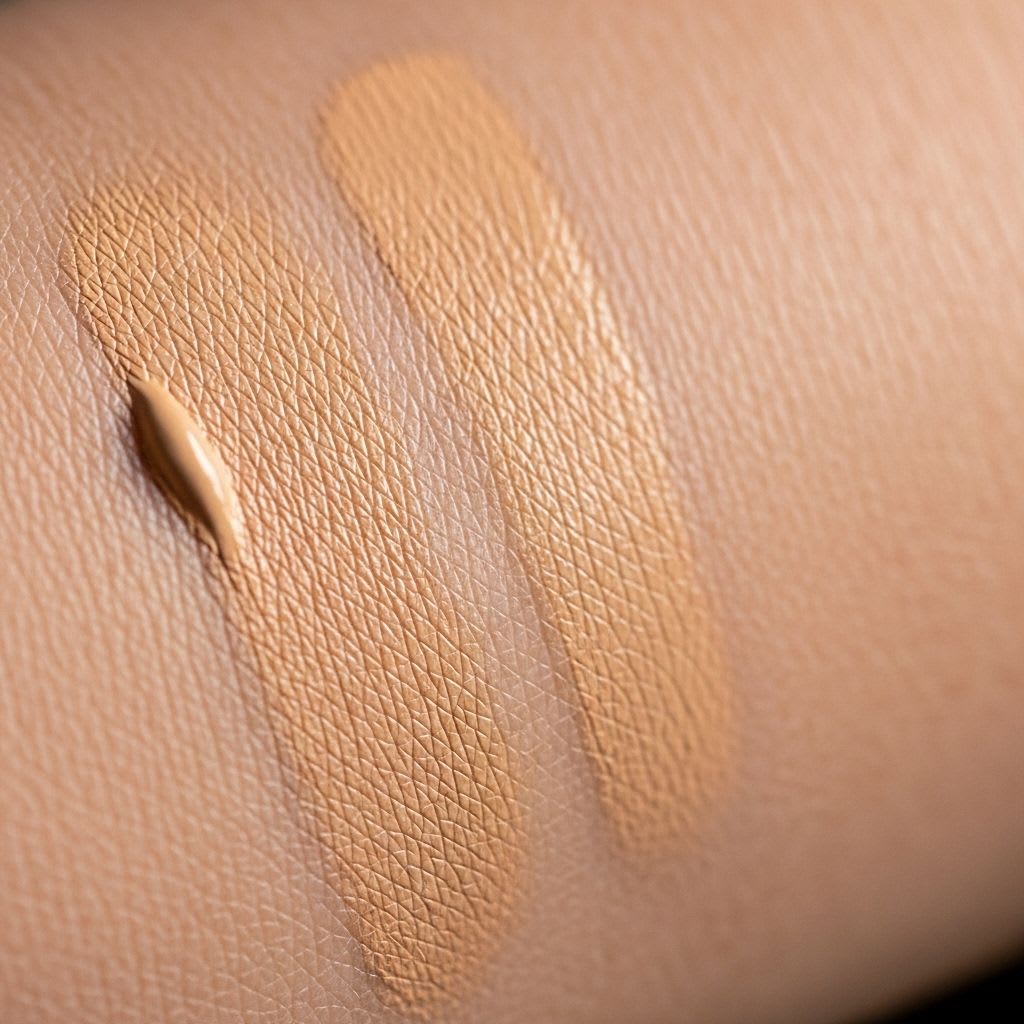
Common Myths About Stick Foundation and Mature Skin
Myth 1: Stick Foundations Are Too Heavy for Everyday Wear
The assumption that stick formulas equal heavy coverage contradicts current formulation technology. Modern stick foundation for mature skin options range from sheer-medium to full coverage, with the texture being independent of pigment density. The confusion stems from older formulations that were essentially concealer in stick form. Today's versions use volatile silicones that evaporate after application, leaving behind a lightweight veil. The key is looking for keywords like 'buildable,' 'sheer-to-medium,' or 'skin-like' rather than avoiding sticks entirely based on format assumptions.
Myth 2: You Can't Achieve Natural Finish with Stick Foundation
What beginners misunderstand about application: the natural finish comes from the blending method, not the formula. Experienced users apply stick foundation in strategic zones rather than all-over application. Swipe the stick only where you need coverage—typically center face, under eyes, around nose—then blend outward with damp fingertips until edges disappear. This creates a 'your skin but better' effect that full-face application never achieves. The trade-off? It requires more precision and can't be done in poor lighting or rushed mornings without visible demarcation lines.
Myth 3: Stick Foundations Clog Pores and Cause Breakouts
Here's the evidence contradiction: mature skin experiencing hormonal breakouts actually tolerates emollient-rich formulas better than oil-free liquids. The misconception comes from conflating teenage acne (excess sebum) with adult hormonal acne (inflammation and barrier disruption). Clinical data shows that non-comedogenic stick foundations containing squalane, jojoba oil, or ceramides reduce inflammatory acne by supporting barrier function, while stripping oil-free formulas trigger compensatory oil production. The caveat applies only if you're experiencing perimenopause oil surges rather than the typical post-menopausal dryness.
Ingredients and Application Techniques That Deliver Results
The most effective stick foundations for mature dry skin combine three ingredient categories: humectants for water retention, emollients for barrier support, and optical diffusers for texture camouflage. Look for formulas listing hyaluronic acid or glycerin in the first five ingredients—these pull moisture into dehydrated cells. Emollients like squalane, shea butter, or plant oils provide the slip needed for seamless blending without tugging delicate skin. Light-reflecting minerals such as mica or synthetic fluorphlogopite scatter light away from fine lines, creating the illusion of smoother texture.
What experienced practitioners prioritize in their application routine:
- Prep with a hydrating serum or facial oil: Apply 2-3 drops of squalane or rosehip oil and let absorb for 60 seconds. This creates a dewy base that prevents the stick from catching on dry patches while extending wear time through moisture layering.
- Warm the product before application: Swipe the stick 2-3 times on the back of your hand to melt the surface layer. This reduces the pressure needed during application, minimizing skin pulling that accelerates sagging.
- Use pressing motions instead of rubbing: Pat the foundation into skin using your ring finger (weakest finger, least pressure). This pushes product into texture valleys rather than skimming over them, preventing the dreaded settling effect by 3pm.
For complete guidance on makeup application during hormonal skin changes, reference our comprehensive makeup guide for menopause. Setting spray becomes optional with stick foundations since the emollients create natural longevity. If you do set, use a hydrating formula with glycerin rather than alcohol-based mattifying sprays that counteract the moisturizing benefits.
When Stick Foundation Isn't the Right Choice
Here's the edge case where standard recommendations fail: some women develop contact dermatitis to common stick foundation ingredients during menopause as immune function changes. Lanolin, carmine, and certain preservatives like parabens trigger reactions that never occurred pre-menopause. The symptoms appear as subtle persistent redness or texture changes rather than obvious allergic reactions, so users blame their skin rather than the product. If you notice worsening texture or irritation that started when you switched to stick foundation, the solution requires patch testing individual products on your inner arm for 48 hours before facial application. The limitation? This drastically slows down product discovery, and many women abandon sticks entirely rather than methodically identifying the specific trigger ingredient. In these cases, cushion foundations or liquid formulas with simpler ingredient lists become the better choice despite being less hydrating.