
Why Coverage Level Matters More Than You Think
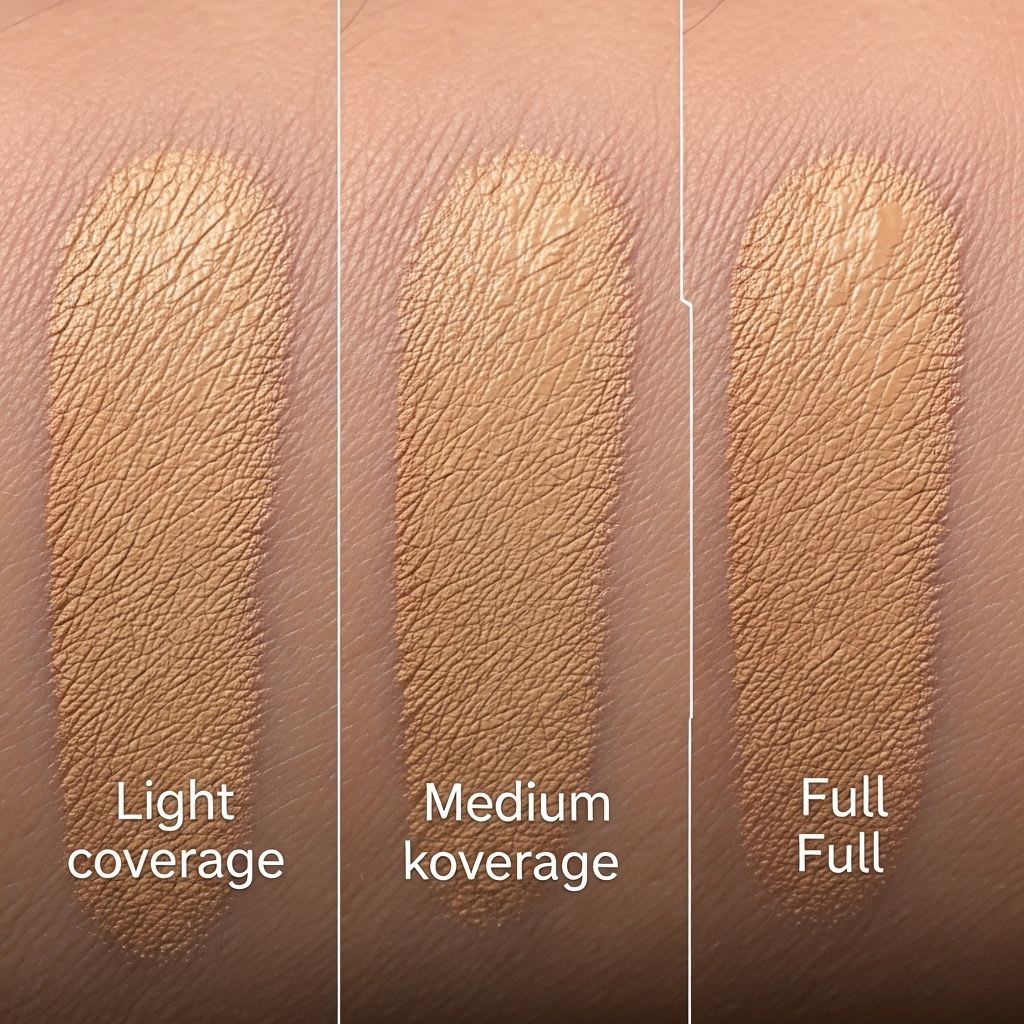
The search for the best medium to full coverage foundation reveals a fundamental misunderstanding about how coverage actually works on mature skin. Coverage isn't a linear scale where more pigment automatically equals better results—it's about the ratio between pigment density and the base formula's texture. A full coverage foundation with heavy emollients can actually look more natural than a medium coverage formula in a matte, inflexible base. What matters isn't just how much skin you're concealing, but how the formula moves with your facial expressions throughout the day.
What dermatological testing reveals about foundation before and after transformations: the most dramatic improvements come from matching coverage level to your specific skin concerns, not choosing maximum coverage by default. Hyperpigmentation and redness respond well to full coverage, but texture irregularities like enlarged pores or fine lines actually look worse under heavy foundation. The science explains why—thick pigment loads settle into depressions and emphasize raised areas, creating a topographical map of every imperfection by midday.
The critical insight that transforms foundation selection: medium coverage with strategic full coverage concealer outperforms full coverage foundation alone for most mature skin concerns. This hybrid approach allows your natural skin texture to remain visible in smooth areas while providing targeted opacity exactly where you need it. Think of medium coverage as the base that evens overall tone, reserving full coverage for specific spots that require complete concealment. For detailed foundation selection strategies, see our foundation guide for mature skin over 50.
The Coverage Myths Sabotaging Your Results
Myth 1: Full Coverage Always Looks Cakey on Mature Skin
The blanket advice to avoid full coverage after 50 contradicts what professional makeup artists actually use for events and photography. The problem isn't full coverage itself—it's full coverage in the wrong base formula. Modern full coverage foundations using water-based or serum formulations provide complete opacity without the thick, mask-like texture of traditional cream foundations. These hybrid formulas contain 50-60% pigment by volume but suspend it in hydrating bases with hyaluronic acid or glycerin, allowing the product to set without hardening. The trade-off? Water-based full coverage requires setting spray or powder to achieve longevity, while cream-based formulas stay put naturally.
Myth 2: Buildable Medium Coverage Equals Full Coverage
Here's what beginners misunderstand about buildable formulas: layering medium coverage foundation to achieve full coverage opacity doesn't create the same result as true full coverage in one application. Each layer you add increases the total product weight on your skin, making texture more apparent and creating separation in areas of facial movement. True full coverage foundations are engineered to deliver maximum pigment in minimum product—one thin layer provides the opacity that would require two or three layers of medium coverage. The limitation of genuine full coverage? Less room for error in application, as the high pigment load shows every blending mistake and streak.
Myth 3: Before and After Photos Prove Formula Performance
The contradiction between marketing images and real-world experience: most foundation before and after photos you see are taken within 30 minutes of application under controlled lighting. This captures the foundation at its peak performance—fully set but not yet subjected to facial oils, environmental humidity, or the 10,000+ facial movements you make daily. What experienced users know: the real test is 6-hour wear under normal conditions. A foundation that photographs beautifully at hour one might separate, oxidize, or emphasize texture by hour six. This is why in-store testing with a 4-hour wear period before purchasing tells you more than any before-and-after comparison ever will.
Choosing and Applying Coverage That Actually Works
What experienced practitioners prioritize when selecting the best medium to full coverage foundation: assess your primary concern first. For hormonal hyperpigmentation, melasma, or rosacea where you need to neutralize color, full coverage formulas with color-correcting undertones provide the most effective solution. For texture concerns like enlarged pores, fine lines, or loss of elasticity, medium coverage with light-reflecting particles creates better optical correction than attempting to conceal texture with heavy pigment.
Your coverage strategy should follow these principles:
- Start with the lowest coverage that addresses your concern: Apply medium coverage first, then assess what remains visible. Add targeted full coverage concealer only where medium coverage proved insufficient. This prevents the over-application that creates the dreaded 'too much makeup' appearance.
- Match coverage to skin hydration level: Dehydrated mature skin tolerates medium coverage better because lighter formulas contain more humectants and fewer pigments that can emphasize dryness. Reserve full coverage for days when skin is well-hydrated from overnight treatments.
- Consider finish alongside coverage: Full coverage in satin finish looks more natural than medium coverage in matte finish on mature skin. The sheen scatters light across texture while opacity handles discoloration—addressing both concerns simultaneously.
Application technique determines whether high coverage looks natural or mask-like. Use damp beauty sponges for full coverage formulas, as they deposit product without adding extra layers through buffing. Press or bounce the sponge onto skin rather than dragging, which prevents the streaking that high-pigment formulas are prone to showing. For medium coverage, brushes work well if you prefer them, but always use stippling motions rather than sweeping. The difference in final appearance is dramatic—stippling creates an airbrushed effect while sweeping leaves visible application lines. For comprehensive application strategies during hormonal skin changes, explore our complete makeup guide for menopause.
When Medium to Full Coverage Backfires
Here's the edge case that derails standard coverage recommendations: some women develop a skin condition called seborrheic dermatitis or experience severe dryness patches during menopause that create simultaneously oily and flaky zones on the same face. Full coverage foundation clings to flaky areas, emphasizing every bit of dead skin, while medium coverage slides off oily patches within hours. The typical solution of using different coverage levels on different zones sounds logical but creates visible demarcation lines where formulas meet. What actually works requires abandoning traditional foundation entirely for these cases—use a hydrating tinted moisturizer as your base everywhere, then apply full coverage concealer only to specific discolored spots, leaving flaky or textured areas completely bare but moisturized. This strategic non-application approach contradicts every makeup tutorial that suggests covering the entire face, but it's the only method that prevents both the flake-emphasis of dry zones and the oil-sliding of seborrheic areas. The limitation? You need exceptional skincare underneath to make bare skin look intentional rather than incomplete, and this method requires significantly more time for precise spot concealing. Most women ultimately choose to treat the underlying skin condition rather than work around it with modified makeup application.