Why Foundation Oxidizes on Menopausal Skin
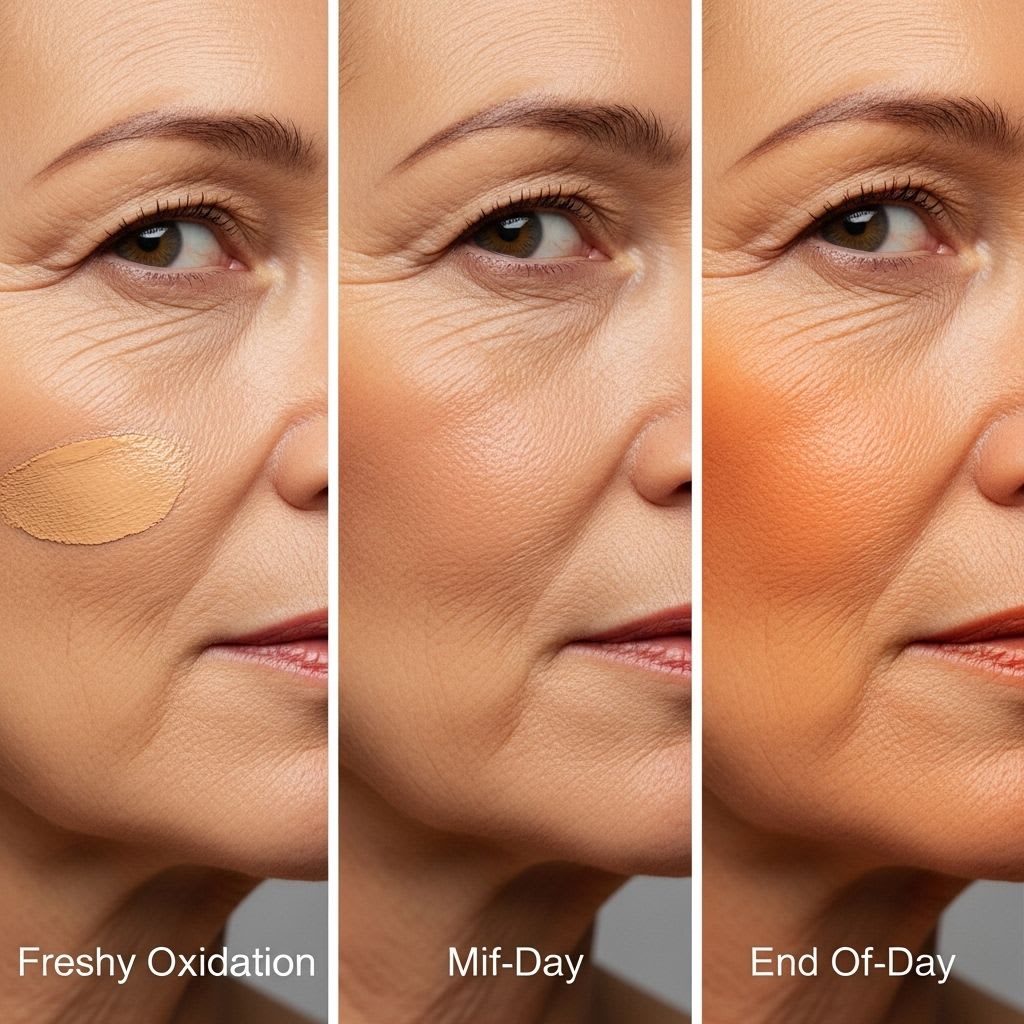
The frustration of finding the best non-oxidizing foundation intensifies during menopause because hormonal changes alter your skin's pH and oil composition—the exact factors that trigger oxidation. Foundation oxidation occurs when pigments react with oxygen, sebum acidity, and skin chemistry, darkening by 1-3 shades and shifting toward orange or pink undertones. On younger skin with balanced pH around 5.5, this process takes 6-8 hours. On menopausal skin where pH increases toward 6.0-6.5 and sebum composition changes, oxidation accelerates to 2-4 hours.
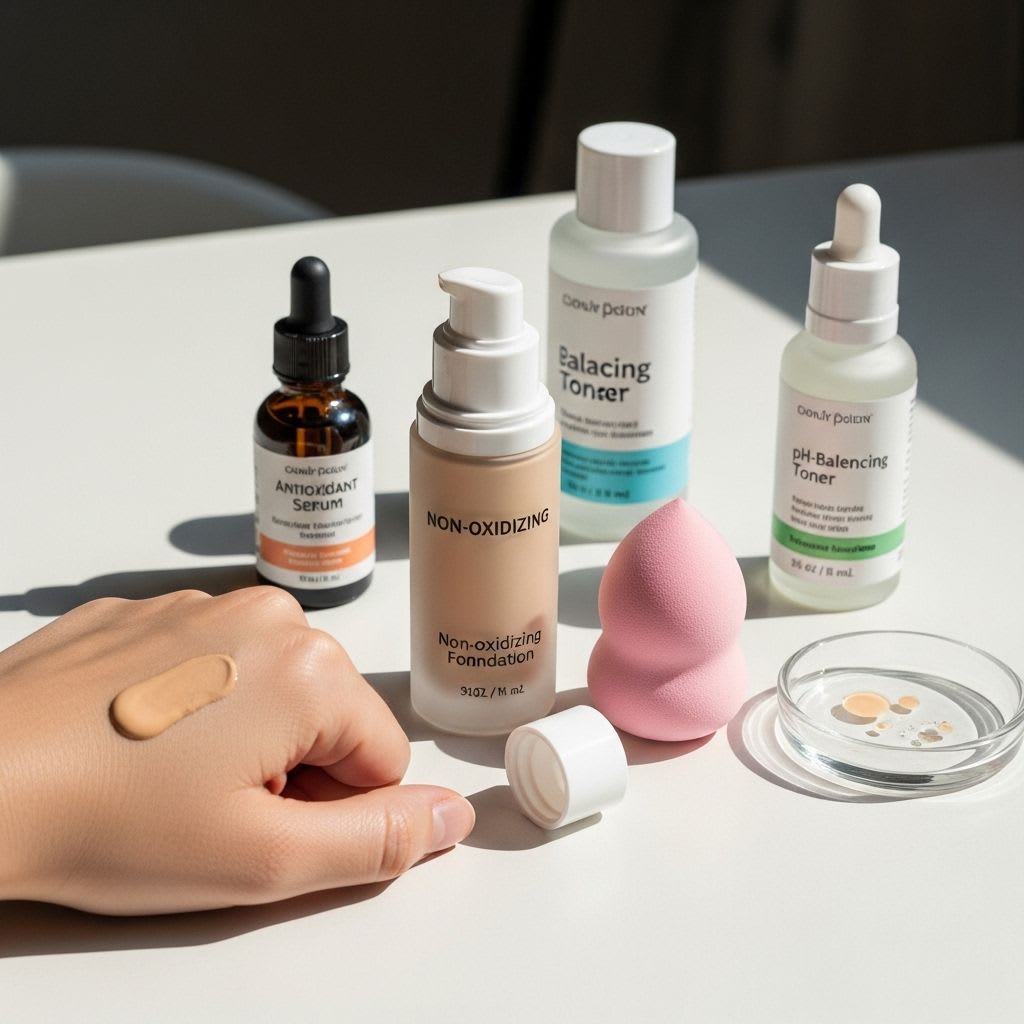
What cosmetic chemistry reveals about non-oxidizing foundation formulas: oxidation resistance comes from three formulation strategies. First, using pre-oxidized pigments or pigments treated with stabilizing coatings prevents further color shift. Second, including antioxidants like vitamin E, green tea extract, or CoQ10 neutralizes free radicals that drive the oxidation process. Third, optimizing the oil-to-water ratio reduces interaction between foundation oils and skin sebum, limiting the chemical reaction that causes darkening.
The factor most people miss: your skincare directly impacts foundation oxidation. Acidic products like vitamin C serums or AHAs temporarily lower skin pH, slowing oxidation. Conversely, alkaline products or tap water residue raise pH, accelerating color shift. Oils and rich moisturizers create an environment where foundation pigments interact more readily with oxygen. This explains why the same foundation oxidizes differently on different days—it's responding to your skincare layering and skin's current state. For toxin-free options that minimize reactivity, see our guide to non-toxic foundation for menopausal skin.
Oxidation Myths That Keep You Buying Wrong Formulas
Myth 1: Oxidation Means You Chose the Wrong Shade
The common assumption is that orange-toned foundation means you selected too warm or too dark initially. In reality, oxidation is a chemical process independent of shade selection—even a perfectly matched foundation will oxidize if the formula lacks stabilization. What actually happens: most women compensate by choosing cooler or lighter shades that look wrong initially but "correct" after oxidation. This creates the opposite problem on low-oxidation days or in photographs with flash, where foundation appears ashy or pink. The solution isn't shade adjustment—it's choosing oxidation-resistant formulas that maintain true color.
Myth 2: Primer Prevents Foundation Oxidation
Here's what beginners misunderstand: primer creates a barrier between skin and foundation, which slows but doesn't prevent oxidation. Once foundation is exposed to air, oxidation begins regardless of what's underneath. Silicone-based primers can actually trap heat and moisture against foundation, creating conditions that accelerate oxidation. The trade-off experienced users navigate: primer extends the oxidation timeline by 1-2 hours but makes foundation feel heavier and can interfere with skincare benefits. For truly non-oxidizing results, formula chemistry matters far more than base products.
Myth 3: Powder Setting Stops Color Change
The contradiction between common advice and chemistry: powder setting does reduce oxidation slightly by limiting air exposure to the liquid foundation beneath, but it introduces its own oxidation potential—powder formulas oxidize too. What you often see labeled as foundation oxidation is actually powder oxidation layered over foundation color shift, creating compounded discoloration. The evidence shows that skip-setting or using only spray fixatives yields better color-true results than powder, though you sacrifice the mattifying and longevity benefits powder provides.
Formulas and Strategies That Prevent Oxidation
The most oxidation-resistant foundations share specific formulation characteristics that you can identify from ingredient lists. Look for foundations containing antioxidants in the first ten ingredients—tocopherol (vitamin E), ascorbyl palmitate (vitamin C derivative), green tea extract, or resveratrol. These actively neutralize the free radicals driving oxidation. Equally important are pigment types: titanium dioxide and iron oxides treated with silica, dimethicone, or other coatings resist oxidation better than untreated mineral pigments or organic colorants.
What experienced users look for when preventing foundation oxidation:
- Water-based or silicone-based over oil-based: Oil-based foundations interact more readily with skin sebum, accelerating oxidation. Silicone bases (cyclopentasiloxane, dimethicone) create more stable color throughout wear.
- Minimal skin contact during application: Apply with damp sponge or brush rather than fingers. Your hands transfer oils and alter pH, triggering faster oxidation. Pat rather than rub foundation into skin.
- pH-balanced skincare underneath: Use pH 4.5-5.5 toners or essences before foundation. Products containing niacinamide help regulate skin pH throughout the day, creating a more stable environment for foundation wear.
Testing foundation for oxidation requires patience but prevents costly mistakes. Apply foundation to your jawline in store or at home, then wait 4-6 hours before evaluating color in natural daylight. Check again at 8 hours if possible. The foundation should maintain its initial undertone—any shift toward orange, pink, or gray indicates oxidation. For mature skin undergoing hormonal changes, test on days when you've used your typical skincare routine, as different product combinations trigger different oxidation rates. Explore comprehensive makeup strategies in our complete makeup guide for menopause.
When Non-Oxidizing Formulas Still Change Color
Here's the edge case that frustrates even foundation experts: some medications—particularly hormones, blood pressure medications, and certain antibiotics—alter skin chemistry so dramatically that even stabilized, antioxidant-rich foundations oxidize within hours. The culprit is often medication-induced pH changes or increased sebum acidity that overwhelms the formula's protective mechanisms. If you've recently started new medications and suddenly experience oxidation with previously stable foundations, this is likely the cause. The limitation? You can't reasonably change necessary medications for cosmetic concerns. Instead, the solution involves more frequent touch-ups with powder or switching to tinted moisturizers with lighter pigment loads that oxidize less noticeably. Some women discover that accepting slight color shift and choosing shades that look good post-oxidation provides better results than fighting chemistry you can't control. The honest trade-off: perfect color maintenance might not be achievable during certain health interventions, and adjusting expectations preserves sanity better than product-hopping.