
Why Most Face Powders Catastrophically Fail on Menopausal Skin
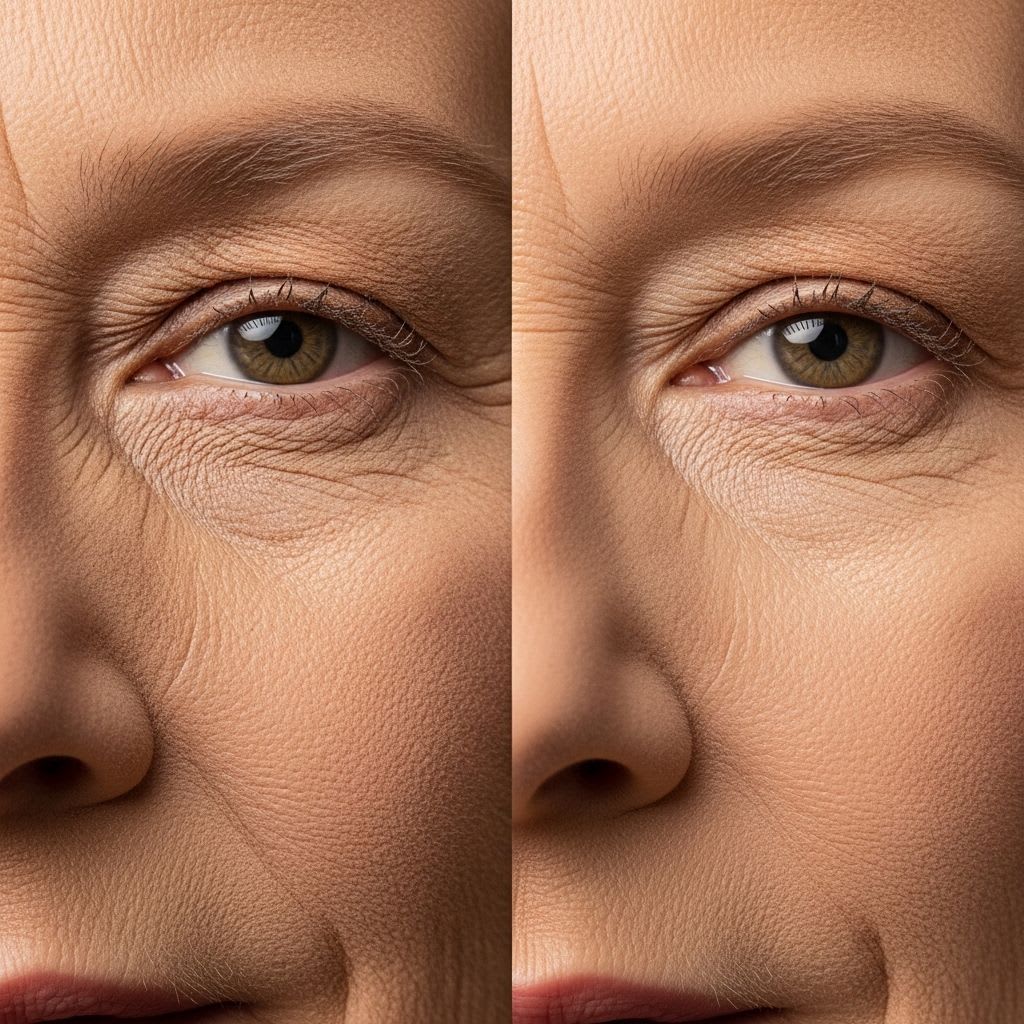
Face powder represents the most problematic makeup category for menopausal skin, yet conventional formulas rarely acknowledge this. The fundamental issue is that powder works by absorbing oil and moisture—exactly what declining estrogen has already depleted. Menopausal skin produces up to 60% less sebum than pre-menopausal skin, meaning traditional setting powders create immediate dehydration visible as caking, cracking, and wrinkle emphasis within 1-2 hours of application.
This explains why the same powder that worked beautifully at 40 suddenly looks chalky and aging at 52. The skin changed, not the product. Non-toxic and organic powders address chemical concerns but often worsen performance issues because clean formulas typically lack silicones that provide temporary slip and blurring. Without these synthetic ingredients, mineral-based clean powders can feel drier and more visible on skin—the exact opposite of what menopausal skin needs. Understanding this contradiction is essential: you need powder that's both clean and performs counter to traditional powder behavior.
Additionally, menopausal skin's compromised barrier function means ingredients absorb more readily. Talc, parabens, and synthetic fragrances common in conventional powders pose greater concern on thinner, more permeable skin. This creates the challenge: finding non-toxic formulas that avoid problematic ingredients while providing the specialized performance aging skin requires—minimal oil absorption, maximum luminosity, and no visible texture. Pair powder choices with appropriate base products as detailed in our guide to non-toxic foundation for menopausal skin.
What Makes a Face Powder Actually Work on Menopausal Skin
Mineral Composition: Why Rice and Corn Matter More Than Talc Elimination
The best non-toxic pressed powders for menopausal skin use rice powder or corn starch as primary absorbents rather than talc. These natural starches absorb excess moisture without the aggressive oil-stripping talc performs, making them gentler on already-dry skin. Rice powder specifically provides subtle light diffusion that minimizes wrinkle visibility—a dual benefit talc never offered. However, not all organic powders perform equally; some use excessive starch that still creates caking despite being natural.
Look for powders listing mica or silica in the first five ingredients alongside rice powder. Mica provides the light-reflecting properties essential for making menopausal skin look luminous rather than flat and aged. Silica, while synthetic, is considered safe and prevents powder from appearing chalky by creating smooth texture. The misconception is that completely natural formulas work best—actually, targeted inclusion of specific minerals creates better performance on aging skin than purist all-botanical formulas that lack optical properties.
Pressed vs. Loose: Why Pressed Powder Fails Less Dramatically
Pressed powders contain binding ingredients that create cohesion, resulting in less product deposited per application compared to loose powder. For menopausal skin, this built-in limitation prevents over-application—the primary cause of visible powder on wrinkled skin. Loose powders, even organic ones, dispense inconsistently and encourage heavy-handed application that settles into every line within hours.
The trade-off: pressed powders require binders, and some conventional options use parabens or synthetic preservatives. Chemical-free pressed powders typically use plant-derived binders like jojoba or coconut oil, which work adequately but can shorten shelf life. Beginners expect pressed powder to last years like conventional options—clean pressed powders often maintain quality for 12-18 months before oils oxidize. This shorter lifespan is an honest limitation of avoiding synthetic preservatives, not a defect.
The Controversial Truth: Most Menopausal Skin Needs Minimal to No Powder
Here's what experienced makeup artists understand but product marketing won't admit: the vast majority of menopausal skin benefits from eliminating face powder entirely rather than finding the perfect clean formula. Declining sebum production means shine control becomes unnecessary for most women over 50. The habit of powdering persists from pre-menopausal routines when oil control mattered, creating a solution seeking a problem that no longer exists.
If you still experience oiliness during menopause (approximately 15-20% of women due to individual hormone patterns), powder only the T-zone and leave cheeks and forehead bare. This selective application prevents the aged appearance powder creates on dry areas while controlling shine where needed. Setting spray provides better longevity than powder for most menopausal skin types without the dehydrating effect. This represents the biggest mindset shift: questioning whether you need powder at all rather than seeking the perfect clean option. Explore comprehensive application strategies in our complete makeup guide for menopausal skin.
How to Use Non-Toxic Powder Without Emphasizing Wrinkles
Application Technique Matters More Than Formula Quality
Even the best organic pressed powder creates visible texture if applied incorrectly to menopausal skin. The standard technique of pressing powder into skin with a puff or sponge deposits too much product and forces particles into fine lines. Instead, use a fluffy natural-hair brush to barely dust powder across areas that genuinely need it—typically just the nose and chin for most women over 50.
The revolutionary technique: tap excess powder from the brush before application, then sweep in downward motions following facial hair growth. This deposits minimal product while smoothing rather than emphasizing texture. Never powder forehead, eye area, or smile lines—these zones have the most visible wrinkles and zero need for oil control during menopause. What separates experienced practitioners from beginners is restraint—using one-quarter the powder amount feels insufficient until you see how much better skin looks with less product.
When Clean Powder Performs Worse: The Humidity Factor
Non-toxic powders using natural starches respond differently to humidity than conventional talc-based formulas. In humid climates or during summer, rice and corn powder can absorb atmospheric moisture and become slightly sticky or heavy on skin. This isn't formula failure—it's the inherent behavior of hygroscopic natural ingredients that conventional powders avoid through synthetic additives.
The adaptation: in high humidity, clean powder becomes even less necessary because menopausal skin's natural dewiness works favorably in moist air. Save organic pressed powder for climate-controlled environments or dry weather when it performs optimally. The honest downside is that chemical-free formulas can't match conventional powder's all-weather stability. You trade consistent performance across conditions for ingredient safety—a worthwhile compromise for many women, but important to understand before expecting miracle results from clean products.
The Edge Case: When Menopausal Skin Still Produces Excess Oil
Approximately 15% of menopausal women experience continued or even increased oiliness due to androgen dominance as estrogen declines. For these women, the standard advice to avoid powder entirely fails completely—they genuinely need oil control despite hormonal changes. However, their powder needs differ from pre-menopausal requirements: absorption without dehydration.
The solution involves hybrid application: use clean pressed powder on oily zones but keep application extremely light and reapply throughout the day rather than applying heavily once. This maintains oil control without creating the caked, aged appearance heavy powder produces. These women also benefit from addressing root causes—androgen-dominant menopausal patterns often respond to dietary changes or supplements that reduce the need for aggressive powder use. This edge case demonstrates why blanket advice about powder during menopause fails—individual hormone patterns create vastly different skin behaviors requiring personalized approaches.