
Why Porcelain Foundations Fail on Menopausal Skin
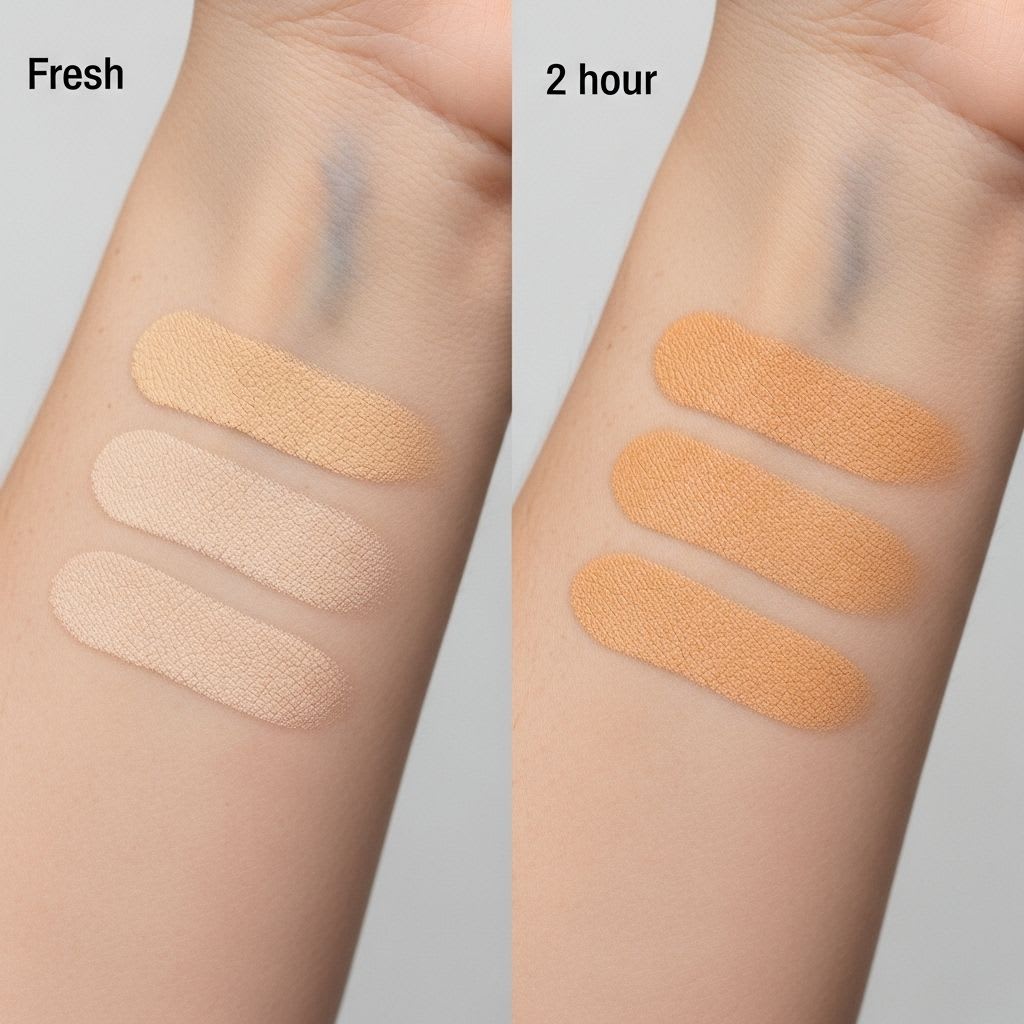
Finding foundation for very fair skin becomes exponentially harder during menopause, not because pale shades disappear, but because hormonal changes alter how pigments interact with your skin. Menopausal skin develops increased surface pH levels and changes in natural skin oils, causing foundations to oxidize differently than they did pre-menopause. A porcelain shade that once matched perfectly may now turn orange or pink within two hours, not because the formula changed, but because your skin chemistry fundamentally shifted.
The challenge intensifies because very fair skin shows every formulation flaw dramatically. While medium or deep skin tones can tolerate slight oxidation, porcelain skin makes a half-shade darkening look like a complete mismatch—the mask effect becomes glaringly obvious. Additionally, menopausal skin loses the rosy undertones that come from robust circulation and collagen structure, often developing a more sallow or grayish cast. Foundations formulated for young porcelain skin with pink undertones clash violently with the cooler, more neutral or olive undertones that emerge during hormonal transition.
Many women report that their reliable porcelain shade suddenly looks 'dead' or 'chalky' on their skin starting in perimenopause. This isn't about the foundation quality—it's about the loss of natural radiance and blood flow in the skin itself. Fair skin that once glowed now appears flat, making matte porcelain foundations look corpse-like. The solution requires rethinking both shade selection and formula finish, moving away from what worked for decades toward formulations that compensate for menopausal skin's reduced luminosity. Learn more about foundation selection in our age-defying foundation guide.
Undertone Shifts During Menopause: The Porcelain Matching Crisis
The most misunderstood aspect of porcelain foundation matching during menopause is that your undertone likely changed. Most fair-skinned women were categorized as 'cool pink' or 'neutral' in their younger years, but estrogen decline affects melanin distribution and surface capillary visibility. What emerges is often a cooler, more olive-toned or 'neutral-yellow' undertone that makes traditional pink-based porcelain foundations look obviously wrong—either too rosy and artificial or creating a stark contrast against the neck.
Testing undertones on menopausal skin requires different methodology than standard advice suggests. The wrist vein test becomes unreliable as skin thins and veins appear more prominent regardless of undertone. Instead, observe your skin in natural daylight without makeup: does it have peachy warmth, ashy coolness, or grayish-green neutrality? Many menopausal fair-skinned women discover they've shifted from cool to neutral or even olive, requiring porcelain foundations with yellow or neutral bases rather than the pink-toned formulas they used for years.
The practical implication: you may need to abandon your previous foundation brand entirely if they don't offer porcelain shades in your new undertone. Brands that excel at very fair shades with diverse undertones become essential—look for ranges offering 'porcelain neutral,' 'fair olive,' or 'alabaster yellow' rather than just standard 'porcelain' or 'fair.' The honest trade-off is that expanding your shade range search takes time and money in sampling, but using the wrong undertone in a perfect depth match looks worse than no foundation at all on very fair skin. Explore comprehensive options in our complete menopause makeup guide.
Formula Selection for Porcelain Menopausal Skin
Shade matching is only half the porcelain foundation challenge—formula matters dramatically on fair menopausal skin because every texture flaw shows. Matte formulas that worked beautifully on younger fair skin create a flat, lifeless appearance on menopausal porcelain skin that lacks natural radiance. The loss of subcutaneous fat and collagen means fair skin appears more translucent, showing underlying structures like capillaries and veins. Matte foundation on this newly transparent skin looks chalky and emphasizes every imperfection rather than creating the smooth, porcelain-doll effect it promises.
What experienced users discover: luminous or satin-finish foundations in porcelain shades work exponentially better on menopausal fair skin. The light-reflecting particles compensate for lost internal glow, making skin appear healthy rather than washed out. However, there's a critical distinction—'luminous' should not mean 'shimmery.' Obvious shimmer or glitter particles make very fair skin look artificial and emphasize texture. The ideal is 'lit from within' radiance through finely milled pearls or soft-focus technology that diffuses light without sparkle.
Coverage level requires reconsideration for porcelain shades on menopausal skin. Full coverage in very fair shades often looks mask-like because it obliterates the subtle color variations that make skin look real—the slight redness around the nose, the faint shadows under eyes, the natural gradation from face to neck. Light-to-medium coverage foundations in perfect porcelain matches create more convincing results, allowing skin's natural dimension to show through while evening tone. The contradiction: you may need less coverage as you age, not more, especially with very fair skin where heavy foundation looks obviously applied. Strategic concealing of specific concerns beats full-face heavy coverage for maintaining the natural appearance that makes porcelain skin beautiful.