
Why Pores Look Larger During Menopause (And Why Most Primers Make It Worse)
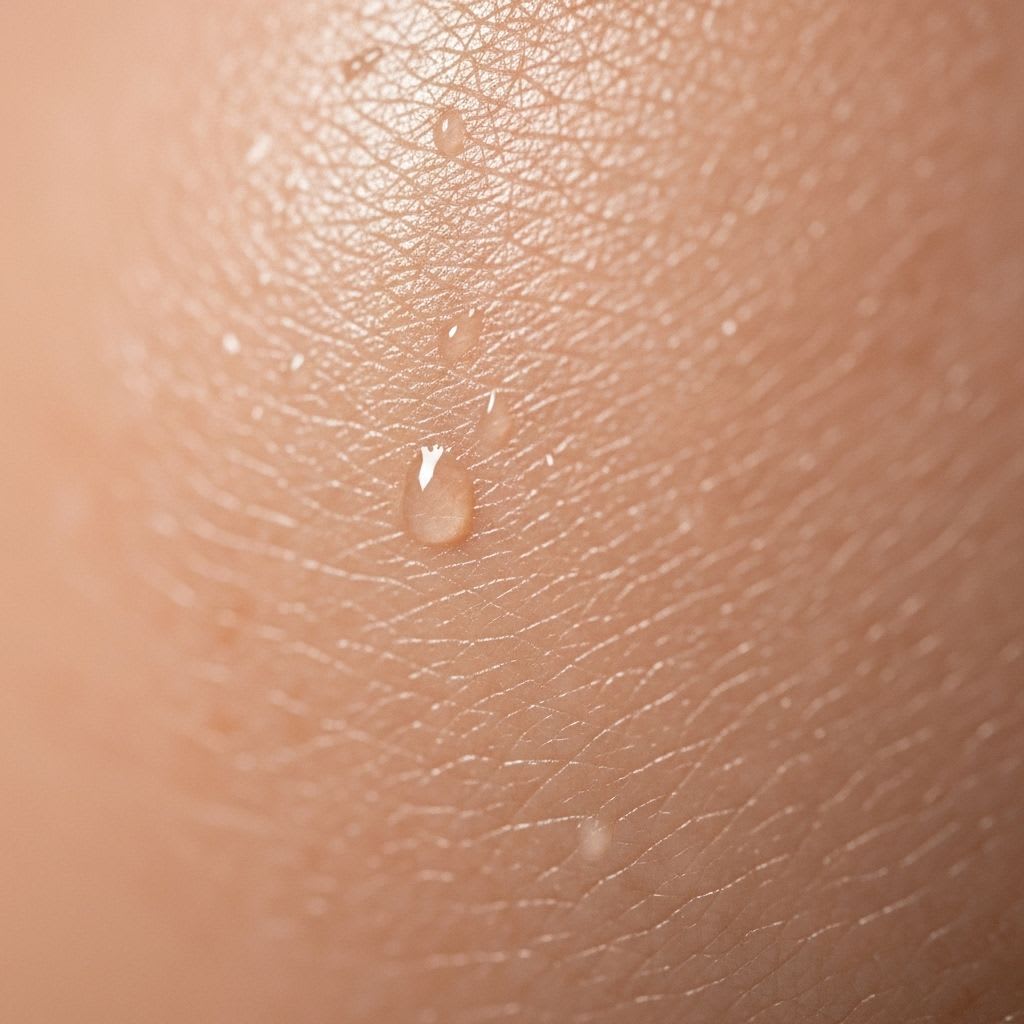
Pores don't actually enlarge during menopause—they become more visible because the skin around them deflates. As estrogen drops, collagen production decreases by up to 30% in the first five years, causing skin to lose structural support. This creates a sinking effect where pores that were once taut and barely visible now appear as noticeable indentations. Additionally, reduced sebum production—while eliminating shine—paradoxically makes pores more obvious because oil-free skin shows texture more clearly.
The critical mistake: most pore-minimizing primers are formulated for oily, young skin with different structural issues. These mattifying, silicone-heavy formulas work by absorbing oil and creating a temporary smooth surface on skin that produces excess sebum. On menopausal skin that's already dehydrated, these primers extract remaining moisture, causing skin to contract further and making pores look even larger within 2-3 hours. What worked beautifully at 35 becomes counterproductive at 52 because the underlying skin physiology has fundamentally changed.
Understanding this distinction is essential: you're not looking for a product that absorbs oil or mattifies, but one that plumps surrounding tissue to make pores less prominent through hydration rather than concealment. This requires completely different active ingredients and application methods than traditional pore primers. For comprehensive strategies, explore our guide on hiding pores with makeup during menopause.
What Actually Works: Hydrating Pore-Blurring Formulas
Look for Hyaluronic Acid and Glycerin as Primary Ingredients
The most effective pore primers for menopausal skin contain humectant ingredients that pull moisture into the skin rather than silicones that create a temporary smooth barrier. Hyaluronic acid can hold up to 1,000 times its weight in water, creating a plumping effect that temporarily fills the depressions around pores. Glycerin works similarly but creates a slightly more occlusive layer that prevents moisture loss throughout the day.
When shopping, check ingredient lists: hyaluronic acid or glycerin should appear in the first five ingredients, not buried at the end. These hydrating primers feel different from traditional pore fillers—they're slightly tacky or gel-like rather than silky-smooth. This texture is correct for menopausal skin; that silky-smooth feeling indicates silicone content that will dehydrate your skin. Apply to damp skin immediately after moisturizer for maximum plumping effect, as the dampness helps humectants draw more water into the tissue.
Niacinamide and Peptides Provide Long-Term Pore Improvement
Beyond immediate blurring, look for primers containing niacinamide (vitamin B3) at 2-5% concentration. Clinical studies show niacinamide improves skin elasticity and can reduce visible pore size by up to 20% over 8-12 weeks of consistent use. This happens because niacinamide stimulates collagen production and improves the structural integrity of skin around pores, addressing the root cause rather than just masking symptoms.
Peptides work similarly by signaling skin to produce more collagen and elastin, gradually restoring the tautness that made pores less visible pre-menopause. While the immediate blurring effect comes from hydration, these active ingredients mean your primer is also a treatment product working to genuinely minimize pores over time. This dual function matters for menopausal skin where every product needs to multitask because layering too many products creates texture issues. See our complete primer guide for large pores for specific product recommendations.
Common Mistakes That Make Pores Look Worse
Using Mattifying Primers Designed for Oily Skin
The most popular pore-minimizing primers on the market contain dimethicone or cyclopentasiloxane as primary ingredients—these are mattifying silicones that absorb oil. While they create an impressively smooth feel on application, they're catastrophically wrong for menopausal skin. Within hours, these formulas dehydrate already-dry skin, causing it to contract and making pores appear as deep pits rather than subtle texture.
The contradiction: marketing for these products often shows mature models, creating the false impression they work for aging skin. They don't—they work for aging oily skin, which is a completely different category. If your primer promises 'shine control' or 'oil absorption,' it's wrong for menopausal skin regardless of how well it performed in your 30s. This represents one of the biggest disconnects between product marketing and actual physiological needs during hormonal changes.
Applying Primer to Dry Skin or Over Incompletely Absorbed Moisturizer
Application timing dramatically affects results. Applying hydrating primer to completely dry skin means humectants have no moisture source to draw from, reducing effectiveness by half. However, applying over moisturizer that hasn't fully absorbed creates a slippery layer where products separate and slide into pores, making them more visible. The solution requires precision: apply moisturizer, wait exactly 3-5 minutes, then mist face lightly with water or essence before applying primer.
This creates the ideal condition—skin is hydrated from moisturizer, surface dampness gives humectants moisture to pull in, and you avoid the slippery separation problem. It seems fussy, but this 30-second difference in timing changes results from mediocre to excellent. Additionally, use less product than you think—a pea-sized amount for the entire face is sufficient. Excess primer pools in pores, creating exactly the visible texture you're trying to avoid.
The Trade-Off: Hydrating Primers Don't Control Shine
Here's the honest limitation: primers that work for menopausal pores won't control oil because menopausal skin rarely produces enough oil to need control. If you're in early perimenopause and still have combination skin with an oily T-zone, you face a genuine dilemma—mattifying primers make cheek pores worse, while hydrating primers leave your forehead shiny.
The solution requires zone-specific application: hydrating primer on cheeks and chin where pores are visible, mattifying primer only on the T-zone where oil appears. This adds complexity but acknowledges that one product can't address contradictory needs. Most women find that within 1-2 years, oil production decreases enough to use only hydrating primer everywhere, but during the transition period, this dual approach prevents choosing between visible pores and unwanted shine.