
Why Menopausal Skin Needs Different Setting Spray Formulas
Setting spray serves a fundamentally different purpose on menopausal skin than on younger skin types. Where young, oily skin needs mattifying alcohol-based formulas to control shine, menopausal skin requires moisture preservation to prevent makeup from cracking along dehydration lines. The estrogen decline that reduces sebum production by 40% means traditional setting sprays designed for oil control actively worsen the appearance of aging skin by removing what little moisture remains.
The three main formula categories—dewy, silicone-based, and hypoallergenic—each solve different menopausal skin challenges. Dewy setting sprays add luminosity that counteracts the dullness of thinning skin while keeping makeup flexible rather than rigid. Silicone-based formulas create a flexible film that allows skin movement without makeup cracking, essential for expression lines. Hypoallergenic versions eliminate sensitizing ingredients that increasingly trigger reactions as hormonal changes compromise skin barrier function. Understanding which formula addresses your specific concern determines whether setting spray enhances or ruins your makeup application. Explore comprehensive techniques in our complete makeup guide for menopausal skin.
Here's the misconception that causes most failures: women assume setting spray's job is making makeup last longer through immobilization. On menopausal skin, rigid makeup cracks within hours as skin naturally contracts and expands with facial expressions and temperature changes. The actual goal is creating a flexible moisture seal that moves with skin rather than against it. This shift in understanding completely changes which products work.
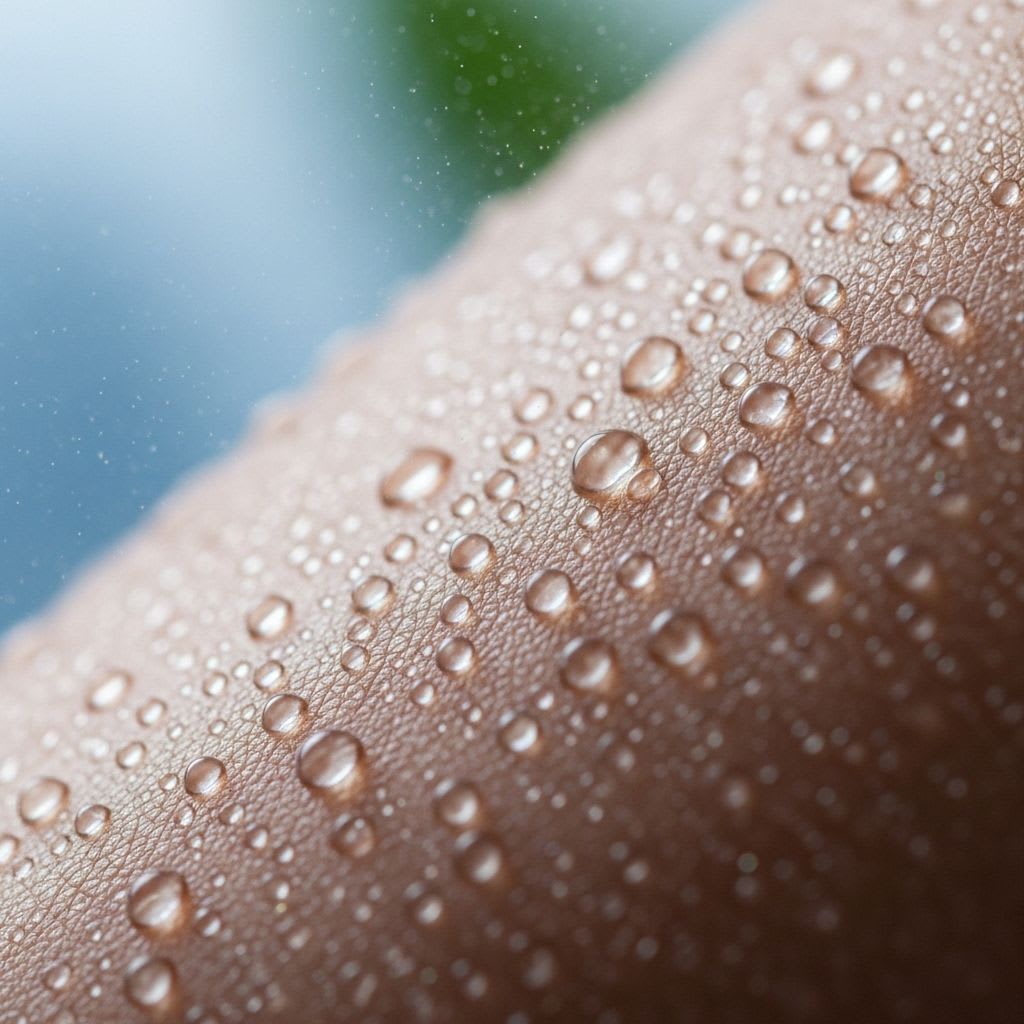
Dewy vs. Silicone vs. Hypoallergenic: Which Formula Solves Your Problem
Dewy Setting Sprays for Dull, Dehydrated Menopausal Skin
Dewy formulas contain glycerin, hyaluronic acid, or botanical extracts that pull moisture into the skin's surface while setting makeup. These work best for women experiencing the characteristic menopausal dullness where skin loses its natural luminosity due to reduced cell turnover and collagen depletion. The light-reflecting particles in quality dewy sprays diffuse wrinkle shadows without creating obvious shimmer, making fine lines less visible through optical effects rather than coverage.
The trade-off: dewy sprays offer minimal hold compared to other formulas. They refresh and add radiance but won't dramatically extend makeup wear time. If you need your makeup to survive 12-hour days, dewy sprays disappoint. However, for 6-8 hour wear where appearance quality matters more than extreme longevity, they outperform mattifying options that make mature skin look textured and flat. Apply in a 'T' pattern—forehead and down the nose—then mist cheeks lightly from 12 inches away to avoid over-saturating.
Silicone-Based Setting Sprays for Expression Line Control
Silicone-based formulas (containing dimethicone or cyclopentasiloxane) create a flexible, breathable film over makeup that prevents cracking along forehead lines, crow's feet, and smile lines. Unlike alcohol-based sprays that evaporate and leave rigid residue, silicones remain pliable as skin moves. This makes them essential for women with deep expression wrinkles where makeup typically settles and cracks within 2-3 hours of application.
The limitation: silicones can feel slightly heavy or create a barely perceptible barrier sensation that bothers some users. They also require proper makeup removal—micellar water or oil cleansers work best, as silicone films resist regular face wash. For combination menopausal skin where the T-zone retains some oil production, silicone sprays may feel too occlusive. In those cases, apply only to wrinkle-prone areas (around eyes, forehead, mouth) rather than the full face. This targeted approach provides flexibility where needed without overwhelming areas that don't require it.
Hypoallergenic Formulas for Increasingly Sensitive Skin
Menopausal hormonal fluctuations compromise skin barrier function, causing reactions to ingredients previously tolerated for decades. Hypoallergenic setting sprays eliminate common irritants: alcohol, fragrance, essential oils, and certain preservatives. They're not about luxury—they're medical necessity for women developing contact dermatitis, rosacea flares, or unexplained redness during menopause transition.
What beginners misunderstand: 'hypoallergenic' isn't regulated, so formulas vary wildly in actual sensitivity-friendliness. Look for sprays specifically labeled 'fragrance-free' (not 'unscented,' which can still contain masking fragrances), alcohol-free, and ideally recommended by dermatologists. These typically provide moderate hold—better than dewy sprays but less than silicone formulas—making them the middle-ground option when you can't tolerate standard ingredients but need more staying power than pure hydrating mists offer. Consider pairing with foundations from our best makeup for women over 40 guide for complete sensitivity-conscious routines.
When Setting Spray Makes Everything Worse: The Skip-It Scenario
There's an edge case where no setting spray formula works: severely dehydrated skin during extreme hormonal fluctuations. When your skin is so moisture-depleted that even hydrating makeup cracks and pills, adding any setting spray—regardless of type—creates a filmy, separated mess. The spray can't adhere properly to makeup that's already breaking down, resulting in splotchy coverage and visible spray droplet marks that never fully dry.
Recognition signals include: makeup that looks worse 30 minutes after setting spray than before application, visible white or clear streaks, or a tacky feeling that persists beyond the normal 60-second dry time. When this happens, the solution isn't switching formulas—it's eliminating setting spray entirely for 1-2 weeks while focusing on intensive barrier repair. Use hydrating serums, ceramide moisturizers, and facial oils to restore skin function before reintroducing setting spray.
The honest limitation: setting spray isn't magic and can't compensate for fundamentally compromised skin. If your skin barrier is damaged, your hormone levels are in extreme flux, or you're experiencing medication side effects that affect skin integrity, even the best setting spray produces disappointing results. This is when professionals recommend scaling back your entire makeup routine rather than adding more products to try fixing unfixable surface issues. The contradiction between marketing promises and menopausal skin reality is stark—setting sprays enhance already-functional makeup applications but can't rescue failing ones.
Additionally, climate plays a larger role on menopausal skin than younger skin. In humid environments, silicone sprays may never fully set, remaining tacky and attracting environmental debris. In extremely dry climates, even dewy sprays can't overcome the moisture-stripping effects of low humidity. The practical reality is that setting spray works optimally only within certain environmental and physiological parameters—recognize when you're outside those parameters rather than blaming yourself or endlessly searching for the 'perfect' product that doesn't exist.