
Why Mature Hair Behaves Differently — And What That Means for Your Shampoo
Hair after 50 is not simply older — it is structurally different. The cortex thins, cuticle layers flatten and lift unevenly, and sebaceous glands produce significantly less oil. As a result, hair becomes simultaneously drier, more porous, and more prone to breakage. The shampoos most women reach for — particularly those marketed as 'volumising' or 'clarifying' — are precisely the wrong choice. Sulfates strip the already-depleted natural oils, and high-lather formulas leave the scalp dry and reactive.
The hormonal dimension compounds the problem. After menopause, declining estrogen reduces the scalp's ability to retain moisture and maintain its protective acid mantle. Many women notice their scalp becoming itchy, flaky, or sensitive for the first time in their lives — not because of dandruff, but because of pH disruption. A shampoo designed for younger, oilier hair actively worsens this. Shampoo for older ladies needs to be gentle enough to preserve the scalp barrier while still cleansing effectively. For a deeper look at how hormones affect your skin barrier more broadly, see best skincare for menopausal skin.
One widely held misconception is that thinning hair needs more protein. In practice, over-proteinising already-brittle mature hair makes it stiffer and more prone to snapping. The real need is a balance: moisture-binding humectants, lipid-replenishing ingredients, and a scalp-compatible pH between 4.5 and 5.5.
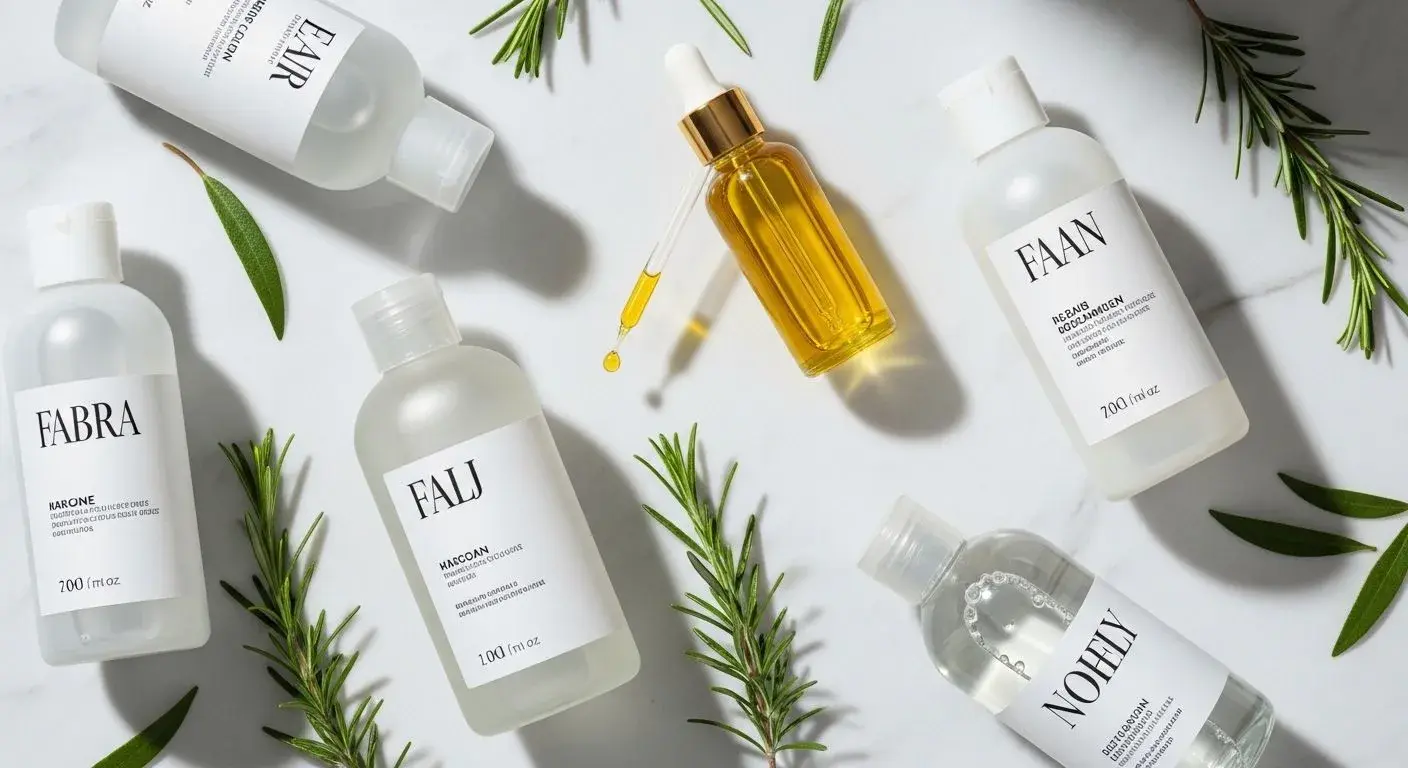
The Ingredient Difference: What Actually Works on Ageing Hair
The most effective shampoo and conditioner for older women share a common ingredient philosophy: replenish what ageing removes rather than stripping what little remains. Here is what the evidence — and real-world experience — actually supports:
- Sodium cocoyl isethionate or cocamidopropyl betaine: Mild surfactants that cleanse without disrupting the scalp's acid mantle. Far gentler than sodium lauryl sulfate, the standard in most cheap shampoos.
- Hyaluronic acid and glycerin: Humectants that draw moisture into the hair shaft. Particularly effective for women whose hair has developed a rough, straw-like texture.
- Argan, marula, or baobab oil: Lightweight lipids that seal the cuticle and restore shine without weighing fine hair down. Heavier oils like coconut can cause buildup on low-porosity strands.
- Biotin and niacinamide: Support the scalp environment and hair follicle health. Evidence is modest but consistent for improving overall strand density over time.
A word of caution on silicones: dimethicone and similar compounds create immediate softness and shine, which is why they dominate mainstream shampoo formulations. However, with regular use on mature hair, silicone builds up on already-porous strands, eventually making hair feel heavy, dull, and harder to volumise. If you have noticed a gradual decline in how your hair looks despite switching products repeatedly, silicone buildup may be the reason. Just as skincare for ageing skin benefits from barrier-supporting actives — explored in depth at the best moisturiser for combination skin — haircare for mature women benefits most from formulas that work with biology, not against it.
What to Look For: Expert Buying Guide
Sulfate-Free Moisturising Shampoo
Why it helps: Mature scalps produce far less sebum than younger ones, meaning the aggressive cleansing power of sulfates removes oils the scalp can no longer replenish quickly. A gentle, sulfate-free formula cleanses without triggering dryness or sensitivity.
Look for: Cocamidopropyl betaine or sodium cocoyl isethionate as the primary surfactant. Bonus ingredients: panthenol (vitamin B5), aloe vera, or ceramides for scalp barrier support.
Avoid: Sodium lauryl sulfate (SLS), sodium laureth sulfate (SLES), alcohol denat in high concentrations, and synthetic fragrance if your scalp is reactive.
Hydrating Conditioner or Leave-In Treatment
Why it helps: Mature hair cuticles lift more easily and struggle to lock in moisture after washing. A conditioner formulated for dry or damaged hair fills cuticle gaps and temporarily restores smoothness — reducing frizz, static, and breakage.
Look for: Cetyl alcohol (a fatty alcohol, not drying), behentrimonium chloride, shea butter, or argan oil. For fine hair, opt for a lighter spray conditioner applied mid-length to ends only.
Avoid: Heavy butters applied at the root, any conditioner marketed as 'ultra-rich' or '10-in-1' if your hair is fine — these typically contain too much silicone and protein for mature strands.
Frequently Asked Questions
Is there a specific shampoo made for older women?
Yes, several brands formulate shampoos specifically for mature hair. The key difference is a gentler surfactant base, more moisturising agents, and often a lower pH. You do not need a product literally labelled 'for older women' — look for sulfate-free, hydrating, or age-defying hair formulas with the ingredient profile described above.
Why does my hair feel dry even after conditioning?
High-porosity mature hair absorbs products quickly but cannot hold them. A silicone-heavy conditioner gives temporary slip but does not address porosity. Try a weekly deep conditioning mask with ceramides or a protein-free moisturising treatment — and ensure you are not shampooing more than two to three times per week.
Can shampoo help with thinning hair in older women?
Shampoo alone cannot regrow hair, but it can reduce breakage and improve scalp health, which supports a better environment for growth. Look for formulas with caffeine, biotin, or niacinamide. If shedding is significant, a dermatologist assessment is worthwhile — hormonal or nutritional deficiency is often the root cause.
How often should older women wash their hair?
Two to three times per week is usually optimal for mature hair. Because sebum production slows significantly after menopause, daily washing is almost never necessary and actively worsens dryness. Dry shampoo applied lightly at the roots can extend freshness between washes.
Sources
- Hair shaft abnormalities and ageing. pubmed.ncbi.nlm.nih.gov — PubMed / NIH
- Hair loss in women: Medical and cosmetic approaches to increase scalp hair fullness. ncbi.nlm.nih.gov — NIH / NCBI
- Menopause and skin: what happens and what can help. nhs.uk — NHS
- Scalp pH and hair health. healthline.com — Healthline