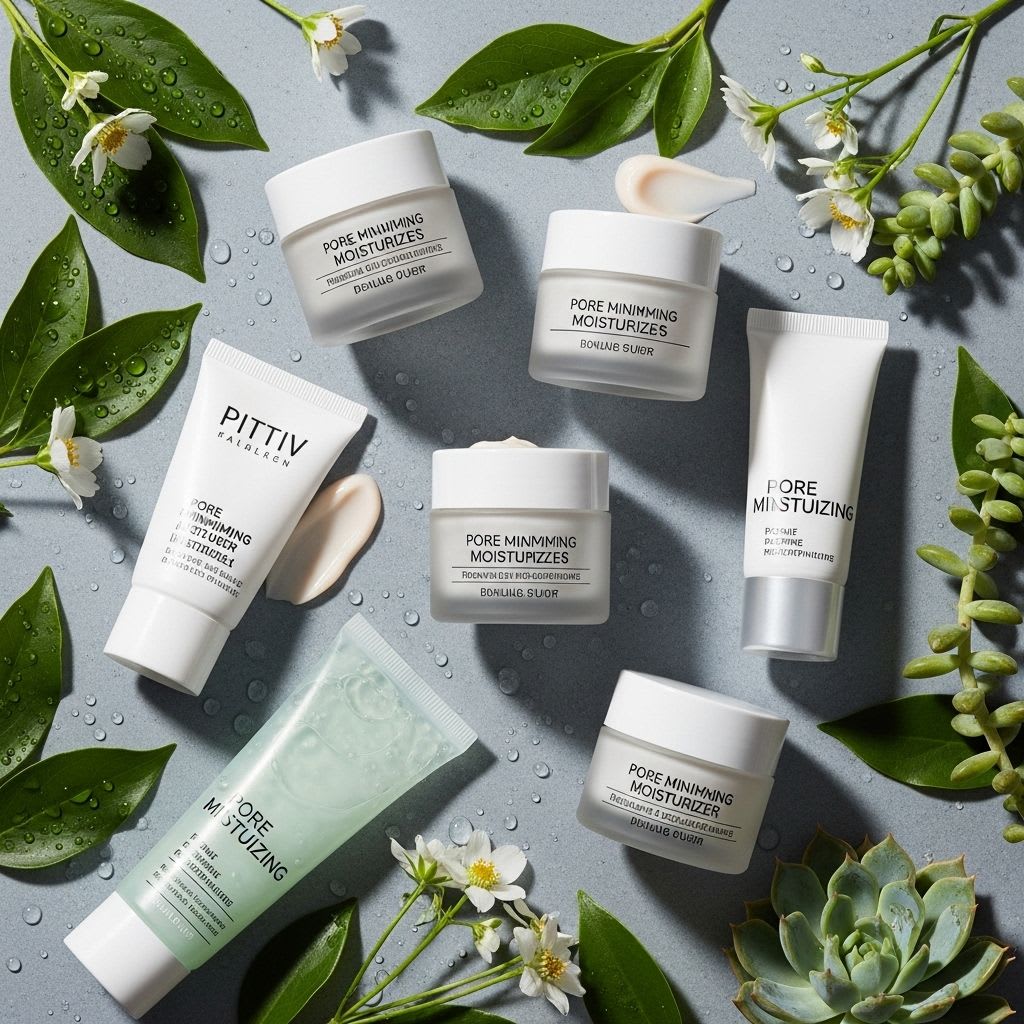
Why Your Moisturizer Makes Pores Look Worse
The best moisturizer for large pores isn't the one that promises to shrink them—that's physiologically impossible since pore size is genetically determined. Instead, it's the formula that addresses the two factors that make pores appear larger: compromised skin barrier function and inadequate moisture distribution. During perimenopause and menopause, declining estrogen reduces sebum production by up to 60%, causing the skin around pores to lose structural support and appear collapsed. Paradoxically, this dehydration can trigger compensatory oil production in the T-zone, creating the combination skin pattern that makes pore visibility worse.
Here's what dermatologists observe but moisturizer marketing rarely addresses: visible pores correlate more strongly with chronic inflammation than with actual pore diameter. When your skin barrier is compromised—whether from hormonal changes, over-exfoliation, or using the wrong moisturizer—inflammatory responses cause the tissue surrounding pores to swell slightly while the pore opening itself appears more prominent by contrast. The best face lotion for large pores contains barrier-repair ingredients like ceramides, niacinamide, and cholesterol in a 3:1:1 ratio that mimics your skin's natural lipid structure, reducing inflammation and creating the optical effect of smaller pores.
The most damaging misconception is avoiding moisturizer entirely because you fear it will enlarge pores or cause breakouts. Skipping hydration triggers a cascade that makes pores more visible: your skin overproduces sebum to compensate for surface dryness, dead skin cells accumulate around pore openings instead of shedding naturally, and the dehydrated tissue loses the plumpness that makes pores less apparent. Even oily skin experiencing hormonal fluctuations needs lightweight hydration—the key is selecting formulas with specific molecular weights and delivery systems that hydrate without occluding.
The Combination Skin Paradox During Menopause
Women searching for best moisturizer for large pores and combination skin face a unique challenge that intensifies with age. The combination skin you're experiencing now differs fundamentally from combination skin in your twenties. Hormonal changes create unpredictable oil distribution—your forehead and nose may become unexpectedly oily while your cheeks develop dry patches and visible pores from collagen degradation. Traditional mattifying moisturizers designed for young, oily skin will dehydrate the dry zones and make pores more prominent, while rich creams intended for mature skin will congest the oily areas.
The solution professional estheticians use but rarely explain: gel-cream hybrid formulas that contain both humectants and lightweight emollients. These textures deliver serious hydration through hyaluronic acid and glycerin while using plant-derived squalane or meadowfoam seed oil instead of heavy occlusives. The moisturizer for large pores that works best on hormonally-changing combination skin absorbs completely within 60 seconds, leaves no residue, yet provides 24-hour hydration by strengthening your moisture barrier rather than sitting on top of it. Look for formulas labeled as gel-cream, water-cream, or hydro-gel that specifically mention niacinamide, which regulates sebum production while simultaneously hydrating.
Ingredients That Actually Improve Pore Appearance
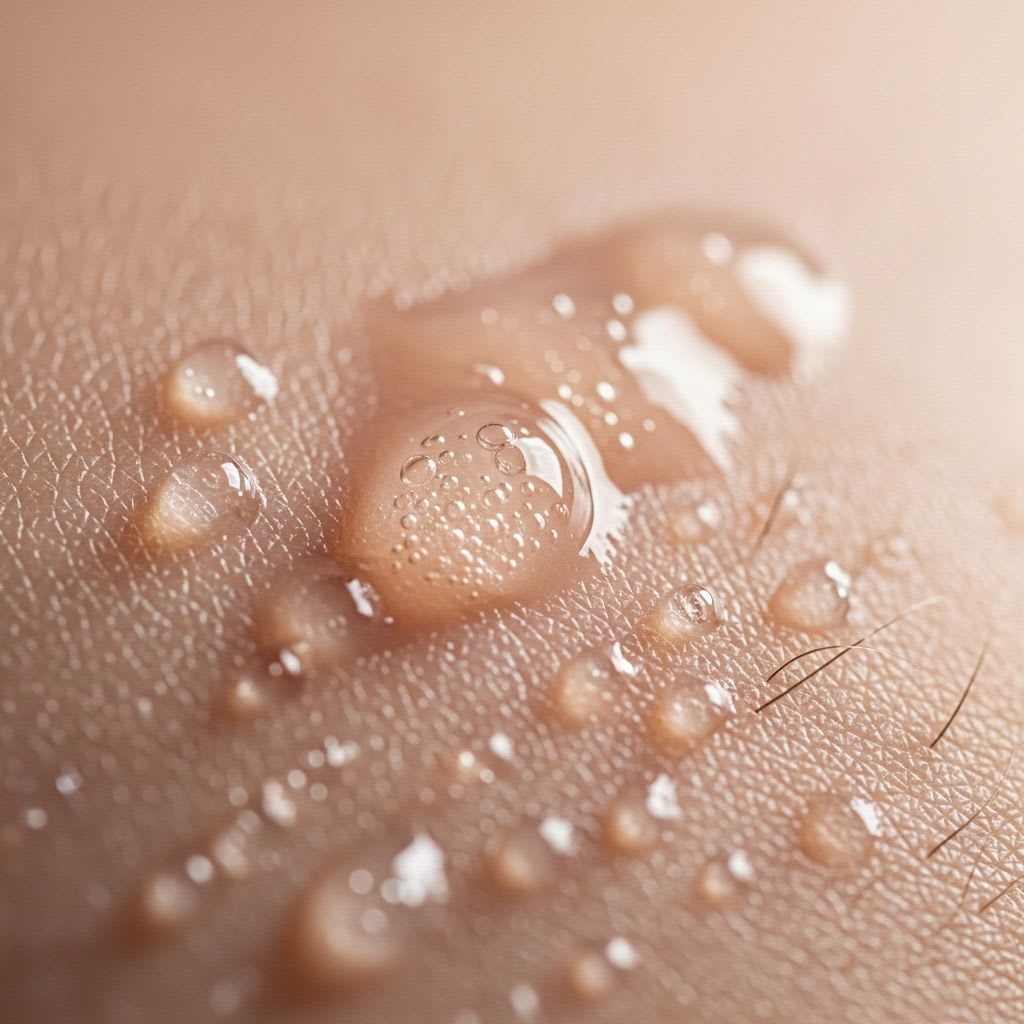
The best moisturizer for pores contains specific active ingredients at therapeutic concentrations, not just marketing buzzwords on the label. Niacinamide at 2-5% concentration consistently shows clinical results for reducing pore appearance by regulating sebum production and improving skin texture. It works synergistically with zinc PCA to control oil without stripping moisture, making it particularly effective for the combination skin patterns common during hormonal transitions. Unlike harsh astringents that temporarily tighten pores through irritation, niacinamide addresses the underlying inflammation and barrier dysfunction that make pores prominent.
What research shows but product labels often obscure: hyaluronic acid's molecular weight determines whether it helps or hinders pore appearance. High molecular weight HA (over 1 million daltons) sits on skin's surface and can actually emphasize texture irregularities and pores. Low molecular weight HA (under 50,000 daltons) penetrates deeper to plump skin from within, creating the smooth canvas that makes pores less visible. The most effective formulas for menopausal skin contain multiple molecular weights of HA to provide both immediate surface hydration and deeper structural support.
- Niacinamide (2-5%): Regulates sebum, strengthens barrier function, and reduces inflammation that makes pores appear enlarged
- Ceramides: Restore lipid barrier to support tissue around pores, preventing the collapsed appearance from dehydration
- Salicylic Acid (0.5-2%): Exfoliates inside pores to prevent buildup while reducing surrounding inflammation
- Avoid: Heavy oils (coconut, olive): These comedogenic ingredients can congest pores and create the appearance of enlargement
The texture consideration that makes or breaks results: your moisturizer's finish affects how pores appear under makeup and in different lighting conditions. Formulas that dry down completely matte can emphasize texture and make pores look like craters, while overly dewy finishes can make enlarged pores appear wet and more visible. The ideal best face lotion for large pores creates what dermatologists call a satin finish—skin that looks naturally healthy with subtle light reflection but no obvious shine or visible product sitting on the surface.
For optimal pore minimization when applying makeup over your moisturizer, explore our guide to primers formulated specifically for large pores during menopause that work synergistically with pore-minimizing moisturizers.
When Pore-Minimizing Moisturizer Advice Completely Backfires
The universal recommendation to use oil-free formulas for large pores fails for women experiencing severe hormonal dryness during menopause. If your skin feels tight, flaky, or uncomfortable despite having visible pores, you're likely dealing with dehydration-induced pore prominence rather than excess oil. Oil-free moisturizers in this scenario will make pores more visible by creating surface dryness that emphasizes every texture irregularity. You need what the skincare industry rarely acknowledges: a moisturizer with carefully selected non-comedogenic oils like squalane or rosehip that deliver essential fatty acids without clogging pores.
Another scenario where standard advice fails: women with large pores caused by decades of sun damage rather than active oiliness. The collagen degradation and elastin breakdown from UV exposure creates permanently enlarged pores that no amount of sebum regulation will minimize. For these cases, the best moisturizer for large pores must contain retinol or peptides that stimulate collagen production to rebuild the structural support around pores. This requires patience—you won't see results for 8-12 weeks—but it addresses the actual cause rather than just managing surface symptoms.
The critical contradiction between marketing claims and reality: moisturizers advertised as pore-minimizing often contain alcohol or witch hazel that temporarily tighten skin through mild irritation. This creates the illusion of smaller pores for 30-60 minutes, but the inflammatory response actually damages your moisture barrier over time and makes pores more prominent in the long term. The ingredients that genuinely minimize pore appearance—ceramides, niacinamide, hyaluronic acid—work gradually by improving skin health rather than creating immediate cosmetic effects.
What estheticians know but rarely share openly: pore appearance varies dramatically based on your skin's hydration status throughout the day. Your pores may look minimal in the morning after sleeping in a humidified room, then appear enlarged by afternoon in a dry office environment. The solution isn't stronger products—it's layering your moisturizer for large pores with a hydrating essence or serum underneath to create sustained moisture levels that keep pores less visible throughout the day. This multi-product approach provides better results than any single miracle cream.
For comprehensive guidance on addressing all aspects of menopausal skin changes beyond pore concerns, including barrier repair and hormonal sensitivity, see our guide to complete skincare for menopausal skin that addresses the full spectrum of hormonal skin challenges.