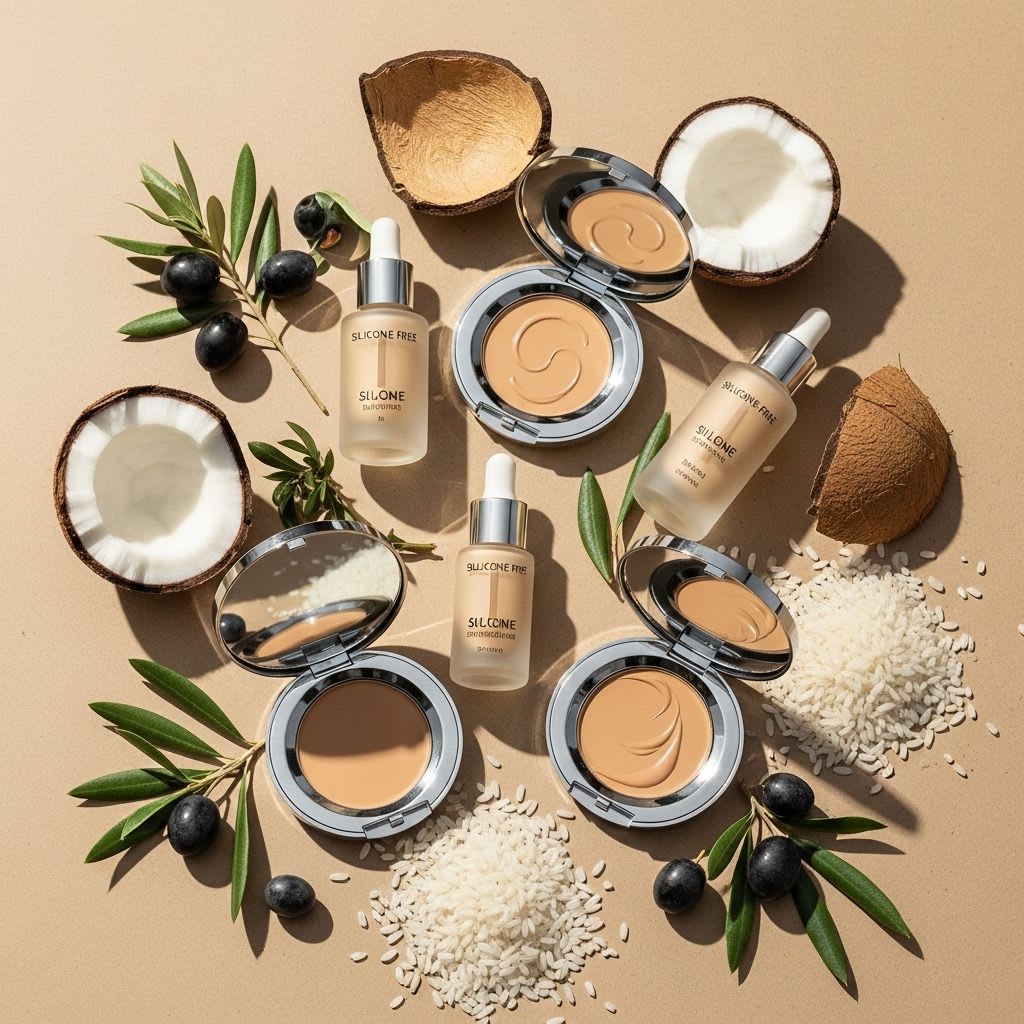
Why Silicones Become Problematic During Hormonal Transitions
The instant smoothness you feel when applying silicone-based foundation comes from dimethicone and cyclopentasiloxane creating an occlusive film across your skin's surface. For decades, this technology delivered the velvety, pore-blurring finish that defined modern makeup. During menopause, however, this same occlusive barrier creates a specific problem that younger women don't experience: it traps the heat your body generates during hot flashes, intensifying the sensation and prolonging recovery time. Silicone-free foundation allows heat to dissipate naturally through your skin rather than being reflected back, making temperature fluctuations noticeably more manageable.
Beyond the heat-trapping issue, silicones interfere with the natural moisture exchange your menopausal skin desperately needs. Declining estrogen reduces hyaluronic acid production in your dermis by up to 50%, meaning your skin can no longer maintain hydration from within as effectively. Best silicone-free foundation formulas use breathable alternatives like plant-based esters and natural waxes that create smoothness without blocking transepidermal water loss. This allows hydrating serums and moisturizers underneath to actually penetrate throughout the day, rather than sitting uselessly beneath a silicone barrier that prevents absorption.
The misconception that destroys foundation performance: believing silicone-free means rough, cakey texture. Modern formulations using alternatives like squalane, coconut alkanes, or olive-derived emollients create the same slip and blurring effect as silicones without the occlusive drawbacks. The difference in application feel is minimal—often undetectable to anyone except formulators—but the difference in how your skin functions underneath is substantial. Women who switch to silicone-free formulas during perimenopause consistently report fewer breakouts, reduced sensitivity, and better skincare efficacy, even when the foundation itself looks identical to silicone-based alternatives.
The Pore-Clogging Reality Dermatologists Actually Observe
While silicones themselves are technically non-comedogenic, dermatologists observe a clear pattern: menopausal women using silicone-heavy foundations experience more congestion, particularly around the chin and jawline where hormonal acne commonly appears. The mechanism isn't direct pore-clogging but rather the way silicones prevent proper cleansing. That velvety film that makes foundation feel weightless also makes it incredibly difficult to remove completely with standard cleansers. Residual silicone accumulates in pores over days and weeks, mixing with dead skin cells and creating the microcomedones that eventually become visible breakouts.
The problem intensifies for women using prescription retinoids or chemical exfoliants to combat aging. These treatments increase cell turnover, generating more dead skin cells that need to be cleared from the skin's surface. Silicone foundations trap these cells against your skin rather than allowing them to shed naturally, essentially working against your skincare routine. Silicone-free drugstore foundation options using water-based or oil-based formulas rinse clean with basic cleansing, allowing your exfoliating products to function as intended and preventing the buildup that leads to congestion and dullness.
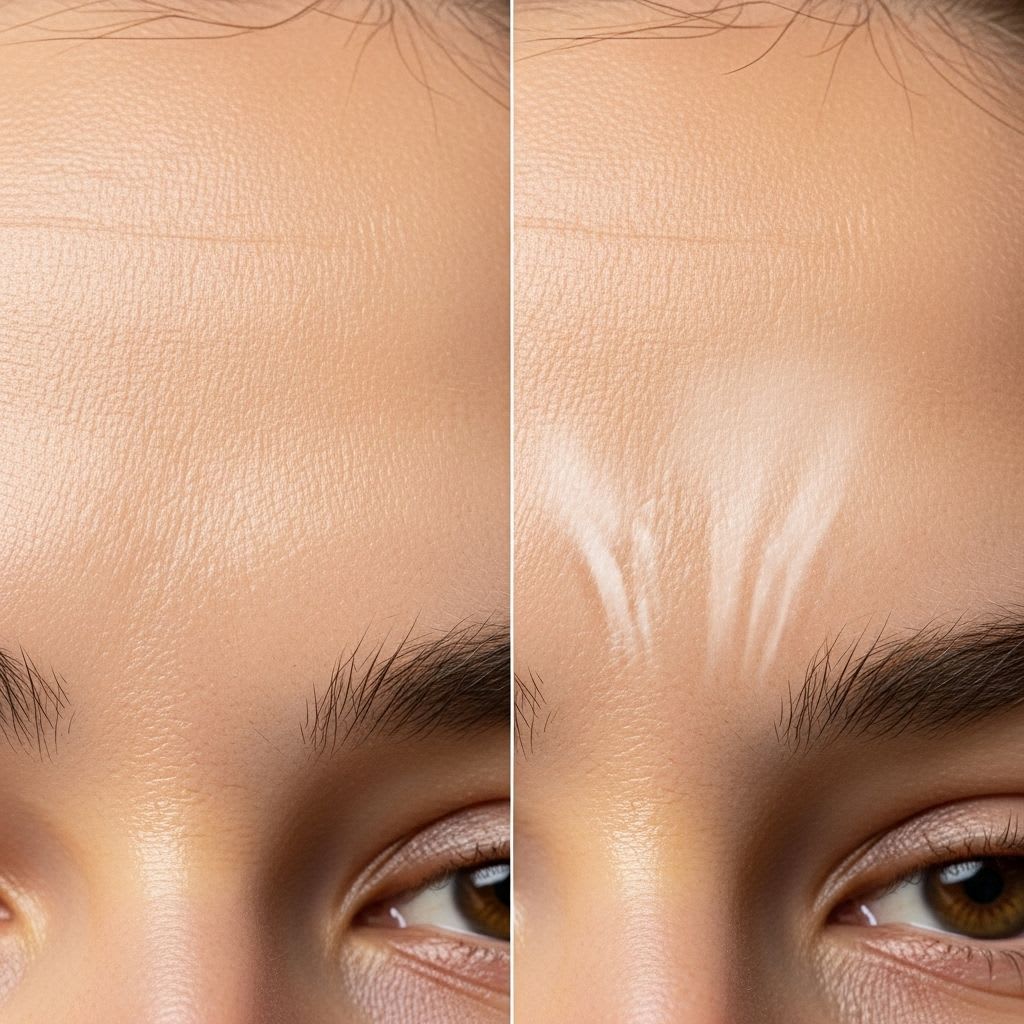
What Actually Replaces Silicones in Quality Formulas
The beauty industry's shift toward silicone-free formulations forced cosmetic chemists to rediscover and refine alternatives that had been abandoned when silicones became cheap and ubiquitous. Best silicone-free foundation for mature skin uses a combination of plant-derived emollients that each serve specific functions silicones previously handled alone. Squalane provides the slip and smooth application feel, tapioca starch or rice powder creates the soft-focus blurring effect, and natural film-formers like acacia gum ensure longevity without creating an impermeable barrier.
Here's the trade-off that reviews rarely acknowledge honestly: silicone-free foundations require slightly more skill to apply evenly. Silicones are essentially fail-proof—they glide across any skin texture and self-level into an even finish regardless of application technique. Plant-based alternatives demand more attention to proper skin preparation and blending. Your skin must be adequately moisturized before application, and you'll need to work the foundation into skin with deliberate patting or pressing motions rather than simply swiping it on. The learning curve lasts about a week, after which most women find the application becomes second nature and the skin benefits far outweigh the minimal extra effort.
- Squalane (olive or sugarcane-derived): Provides silicone-like slip while actually nourishing skin and improving moisture retention over time
- Coconut Alkanes: Creates lightweight, breathable texture that mimics dimethicone's feel without occlusion or buildup
- Jojoba Esters: Delivers pore-blurring effect similar to silicones while being fully biodegradable and non-comedogenic
- Rice or Tapioca Starch: Absorbs excess oil and creates soft-focus effect without the heat-trapping properties of cyclopentasiloxane
For drugstore shoppers, the silicone-free drugstore foundation category has expanded dramatically in recent years as mainstream brands recognize consumer demand for breathable formulas. Look for foundations listing water or aloe vera as the first ingredient, followed by plant oils or esters within the first five ingredients. Avoid products where dimethicone, cyclopentasiloxane, or any ingredient ending in '-cone' or '-siloxane' appears in the top half of the ingredient list. Many drugstore brands now clearly label silicone-free formulas on packaging, making identification easier than reading ingredient lists in tiny print.
For comprehensive information on clean, non-toxic foundation options that are also silicone-free, see our detailed guide to non-toxic foundations for hormonal skin changes that addresses both ingredient safety and menopausal skin compatibility.
When Silicone-Free Foundations Actually Fail
The universal recommendation to switch to silicone-free formulas during menopause fails for women with severely enlarged pores or significant texture concerns who prioritize immediate visual smoothness over skin health benefits. Nothing blurs pores quite as instantly and dramatically as high-concentration silicone formulas—this is simply physics, not marketing. If you have an important event or photoshoot where your skin needs to look flawless in the moment, silicone-based foundations still deliver superior immediate results. The silicone-free approach is about long-term skin health and comfort, not necessarily the most dramatic instant transformation.
Another scenario where standard advice backfires: extremely oily mature skin that produces excess sebum despite hormonal changes. Some women develop sebaceous hyperplasia or continue experiencing high oil production through menopause, often due to genetic factors or specific medications. For these women, silicone-free foundations can slide off within hours, while silicone-based formulas use that same occlusive property to create oil-resistant wear. The solution isn't necessarily choosing one category permanently but rather maintaining both types—silicone-free for daily wear when comfort matters most, silicone-based for occasions requiring extended wear without touch-ups.
The contradiction between clean beauty marketing and practical reality: many foundations marketed as silicone-free replace synthetic silicones with heavy plant oils or butters that can be equally pore-clogging for acne-prone menopausal skin. Coconut oil, shea butter, and cocoa butter all appear in natural foundations as silicone alternatives, but these ingredients have comedogenic ratings of 4-5 out of 5. Reading labels matters more than trusting category names—a foundation can be completely silicone-free while still causing breakouts if it's loaded with pore-clogging botanical alternatives. The best formulas for congestion-prone mature skin use lightweight oils like squalane, rosehip, or marula that provide emolliency without comedogenic risk.
Understanding how foundation choice integrates with your entire makeup approach during hormonal changes provides context for why breathable formulas matter. Explore our complete guide to makeup for menopausal skin to see how silicone-free foundations work synergistically with other product adjustments for hormonal aging skin.