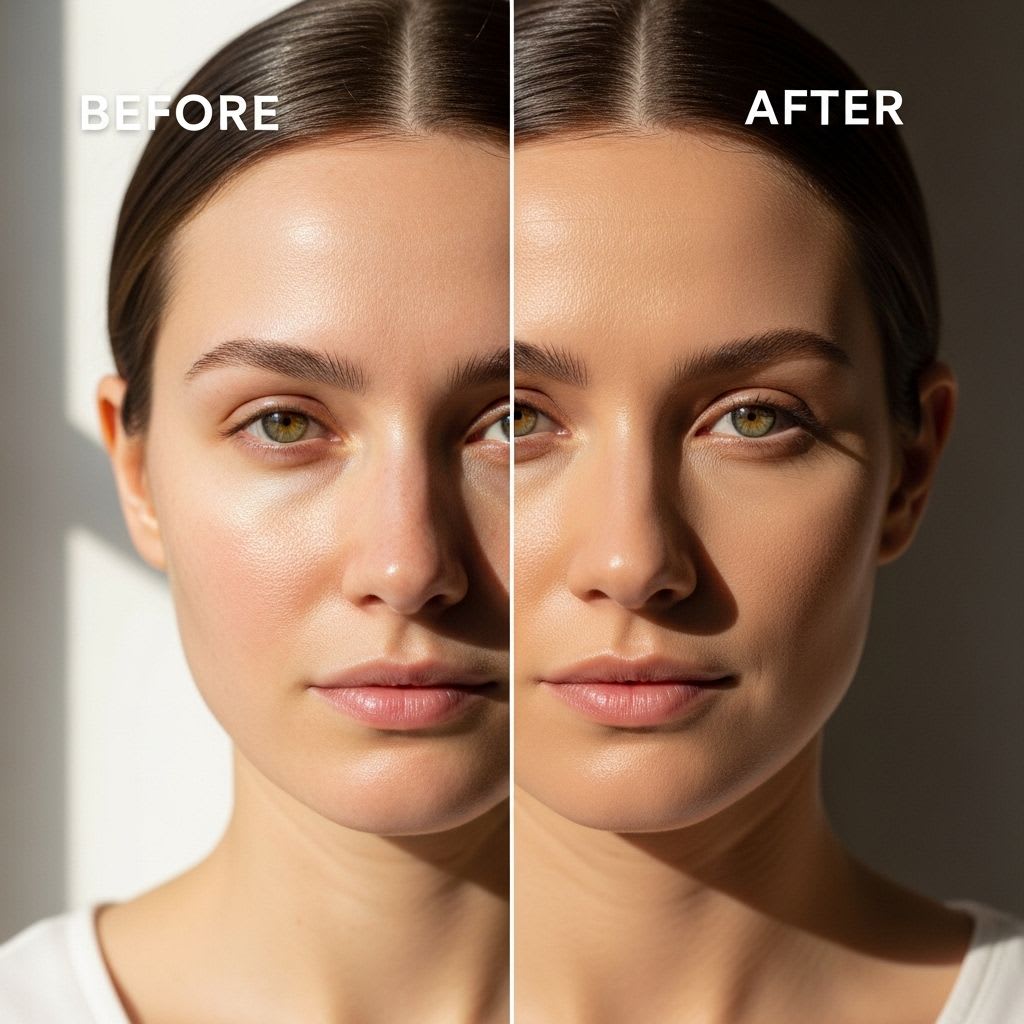
Why Fair Skin Gets Left Behind in Tinted Moisturizer Ranges
The challenge of finding the best tinted moisturizer for pale skin starts with a product development problem: most brands create their lightest shade by adding white pigment to a medium-toned base. This produces a shade that's technically light but has gray or ashy undertones that don't exist in actual fair skin. Real pale skin contains visible red, pink, or yellow undertones from blood vessels and melanin distribution, but these nuances get erased when formulas prioritize depth over accurate undertone matching.
What cosmetic chemistry reveals about tinted moisturizers: they contain 3-8% pigment load compared to 15-20% in foundations. This lower concentration means undertone accuracy becomes more critical, not less. With sheer coverage, any undertone mismatch shows through immediately because there's not enough pigment to mask the error. The best tinted moisturizer for fair skin requires precise undertone formulation from the start, which explains why luxury brands often perform better for pale complexions—they invest in multiple fair shades rather than offering one token light option.
The oxidation problem compounds difficulty for fair skin. Tinted moisturizers contain oils and emollients that interact with your skin's natural sebum throughout the day. Fair formulas oxidize more visibly because there's less base pigment to absorb the color shift—a change from ivory to peachy-orange stands out dramatically, while the same shift on medium skin appears as subtle warming. For strategies on managing changing skin during hormonal transitions, see our guide to makeup during menopause skin changes.
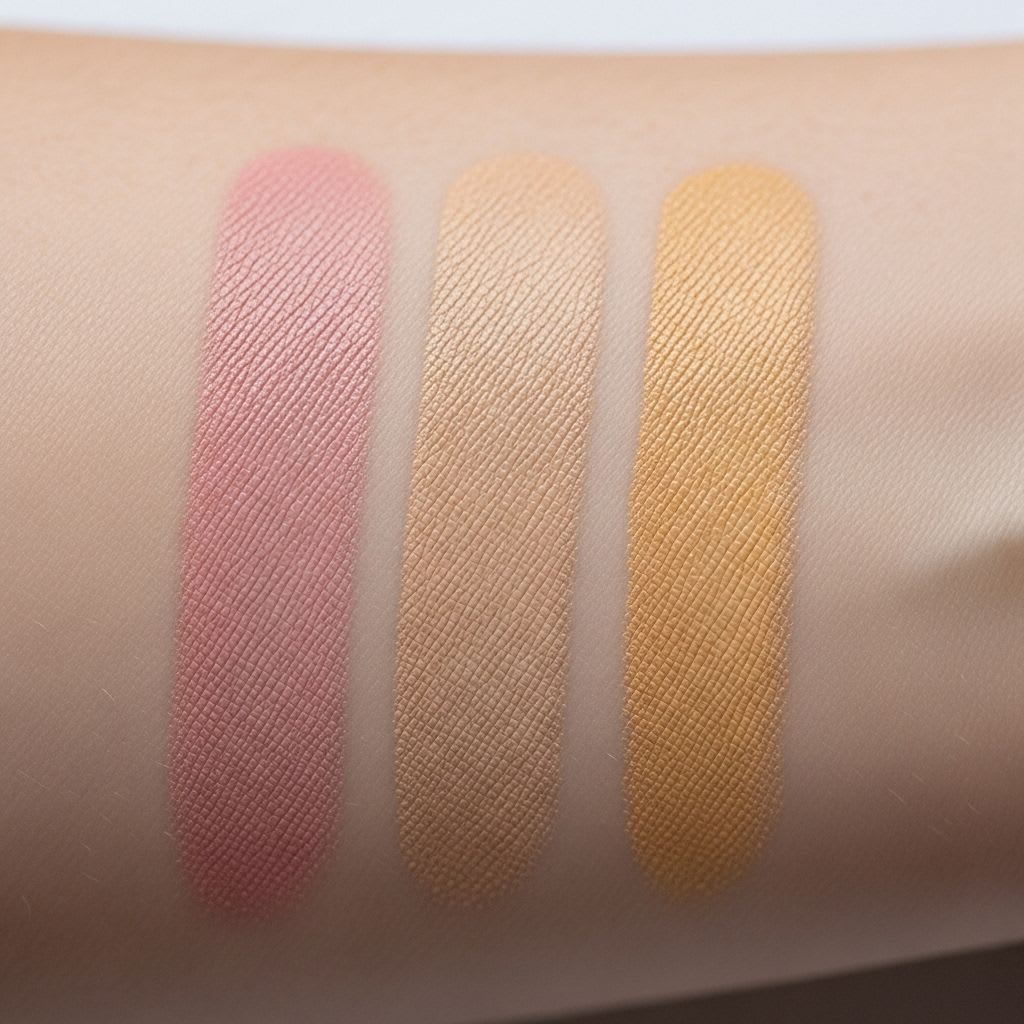
Tinted Moisturizer Myths Keeping You From Your Match
Myth 1: Sheer Coverage Means Shade Matching Doesn't Matter
The dangerous assumption that tinted moisturizers are 'forgiving' leads fair-skinned women to settle for close-enough shades. The reality contradicts this: because tinted moisturizers are sheer, they blend with your natural skin tone rather than covering it. A slightly-too-dark shade on medium skin creates subtle bronzing. The same shade on fair skin creates a visible mask effect with a distinct line at your jawline. What beginners misunderstand is that you need a more precise match for tinted moisturizer than for full-coverage foundation, not less.
Myth 2: Fair Skin Should Always Choose Cool or Pink Undertones
Here's the misconception causing repeated purchase failures: many fair-skinned women assume they need pink or cool-toned products because they can see red or pink in their skin. But visible redness from rosacea or surface blood vessels is different from undertone. Some very pale skin has warm yellow undertones that look pink due to thin skin showing blood vessels. Testing cool-pink tinted moisturizer on warm-fair skin creates an ashy, grayish appearance. The evidence shows fair skin spans the full undertone spectrum—cool, neutral, and warm all exist at light depths.
Myth 3: More Coverage Equals Better for Mature Fair Skin
The contradiction between marketing and performance: the best coverage tinted moisturiser for fair mature skin isn't the highest coverage option. Medium-to-high coverage tinted moisturizers contain more pigment and thickening agents that settle into fine lines, creating texture emphasis on pale skin where every shadow shows more dramatically. Light-to-medium coverage with strategic concealer placement actually provides better overall appearance because the base looks skin-like while targeted coverage addresses specific concerns. The trade-off? This approach requires owning and applying two products instead of one multi-tasking tinted moisturizer.
Finding Your Perfect Fair Shade Match
The most reliable undertone identification method for fair skin uses your wrist veins in natural daylight. Blue or purple veins indicate cool undertones (look for tinted moisturizers with pink or neutral-cool bases). Green veins indicate warm undertones (seek yellow or golden-based formulas). Blue-green combination suggests neutral undertones (choose true neutral or slightly yellow-leaning shades). This test works better than comparing to white paper or checking jewelry preferences, which are influenced by external factors.
What experienced users prioritize when selecting formulas:
- Brands offering 3+ fair shades: Companies that subdivide the fair range into multiple options understand pale skin complexity. Single fair-shade brands almost always lean too pink or too yellow for half their potential customers.
- Mineral-based or iron oxide pigments: These oxidize less than organic pigments. Check ingredient lists for titanium dioxide, zinc oxide, and iron oxides in the first 10 ingredients for more stable color throughout wear.
- Matte versus dewy finish based on skin type: For oily fair skin, matte skin tint for oily skin prevents the shiny-pale look that emphasizes oil production. For dry or mature fair skin, dewy formulas prevent the chalky appearance that matte products can create on pale, textured skin.
Application technique matters for fair skin specifically. Apply tinted moisturizer with damp beauty sponge rather than fingers to prevent streaking that shows more obviously on pale skin. Blend thoroughly into hairline, jawline, and neck—the contrast between made-up fair skin and natural fair skin is more visible than on deeper tones. If your formula appears slightly too dark after application, the issue might be your base prep. Ensure you're using a proper primer for your skin concerns to create an even canvas that doesn't darken your tinted moisturizer through interaction.
When Standard Fair Shade Recommendations Fail
Here's the edge case that disrupts typical shade selection: some very fair women have significant redness from rosacea, broken capillaries, or active inflammation. Standard advice suggests matching your neck or chest, but for these users, that natural tone includes the redness they're trying to neutralize. Matching to inflamed skin means the tinted moisturizer preserves the redness rather than evening it. The solution requires color-correcting strategy—apply green-tinted primer to red areas before tinted moisturizer, allowing you to match your true undertone rather than your surface redness. The limitation? This adds complexity and products to what's meant to be a simple routine. Some women prefer this corrected approach, while others choose higher-coverage foundation instead, accepting that tinted moisturizer can't address their specific skin concern. Neither approach is wrong—it depends whether you prioritize the lightweight feel of tinted moisturizer or the simplicity of single-product coverage.