
Why Water-Based Foundation Isn't Just for Oily Skin
The best water-based foundation solves a problem most women don't realize they have—foundation that sits on top of skin rather than integrating with it. Water-based formulas use water as their primary solvent instead of oils or silicones, creating a fundamentally different interaction with your skin's surface. These foundations don't create an occlusive barrier like traditional formulas; instead, they allow your skin to maintain its natural moisture exchange and temperature regulation. This matters exponentially more during hormonal transitions when hot flashes and fluctuating body temperature make heavy, barrier-creating foundations feel suffocating within hours of application.
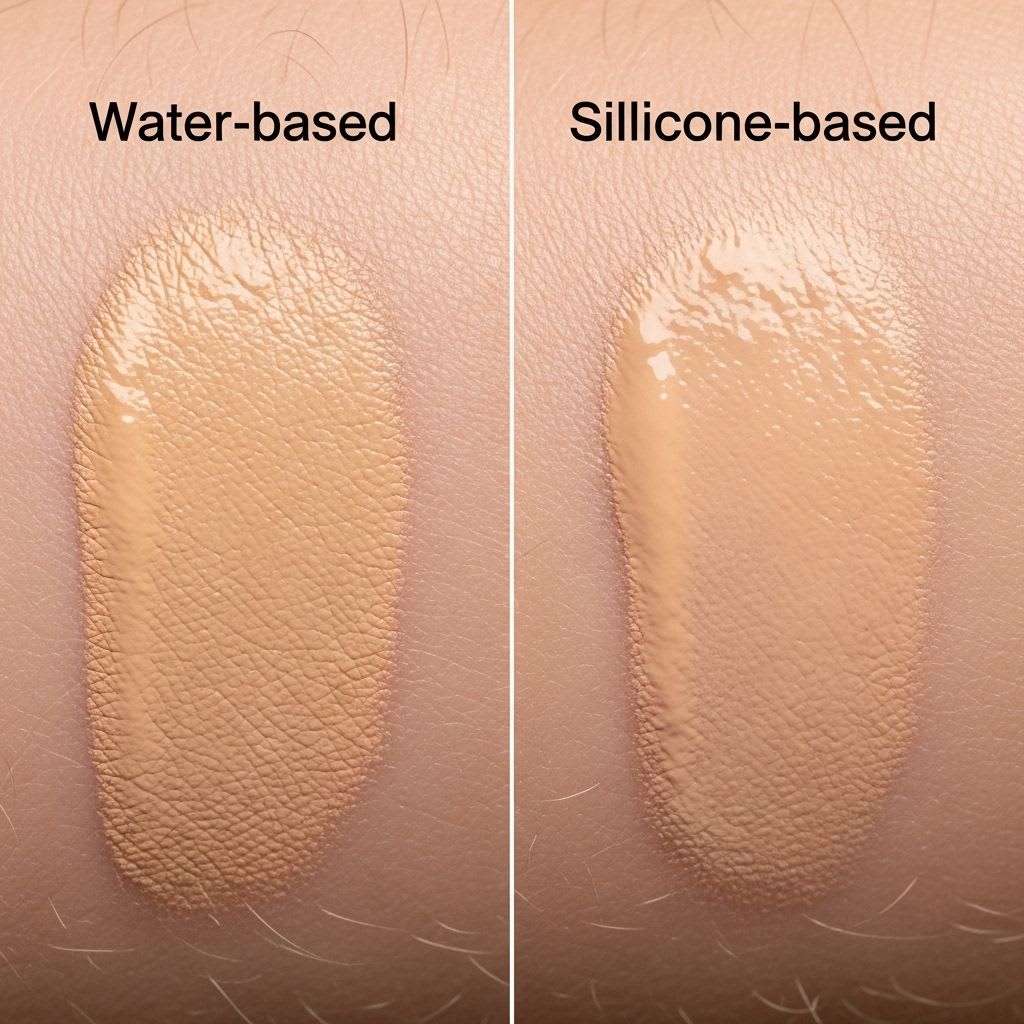
Here's what cosmetic chemists understand about best water foundation technology that marketing rarely explains: water-based doesn't mean oil-free or silicone-free. The term indicates that water is the first ingredient, comprising 60-80% of the formula, with other ingredients suspended in that aqueous base. The best formulas contain small amounts of film-forming polymers and emollients that remain after the water evaporates, creating lasting coverage without weight. Cheaper water-based foundations skip these crucial components, giving you sheer coverage that disappears within two hours because there's nothing left on your skin once the water content evaporates—you've essentially applied tinted water that offers no lasting benefit.
The critical misconception causing product failure: believing that water based makeup foundation for oily skin automatically controls shine better than other formulas. Water-based foundations excel at not adding additional oil to already-oily skin, but they don't actively absorb excess sebum the way mattifying formulas do. If you have genuinely oily skin producing excess sebum throughout the day, you need a water-based foundation that also contains oil-absorbing ingredients like silica, kaolin clay, or rice powder. Pure water-based formulas without these mattifying components will show breakthrough shine on oily skin just as quickly as oil-based foundations, giving you the worst of both worlds—no oil control and potentially less longevity than silicone-based alternatives.
The Breathability Factor Nobody Quantifies
Beauty marketing constantly references water-based foundations as more breathable, but this claim has measurable scientific backing that brands rarely explain. Occlusive silicone-based foundations can increase skin surface temperature by 1-3 degrees Celsius by preventing evaporative cooling—minimal for most women but intolerable for those experiencing menopausal hot flashes or rosacea-related flushing. Water-based formulas maintain normal transepidermal water loss rates, allowing your skin's natural cooling mechanism to function. For women over 50 dealing with temperature regulation issues, this isn't a luxury feature but a practical necessity that determines whether foundation feels comfortable or unbearable by midday.
What dermatologists observe in patients with adult acne or perioral dermatitis: switching to water-based foundation often resolves persistent breakouts that persisted despite proper skincare because the issue wasn't the skincare—it was eight hours daily of occlusive makeup preventing pore function. Water based foundation drugstore options have improved dramatically as mass-market brands recognize the growing consumer understanding of non-comedogenic formulations. Look for products explicitly listing water or aqua as the first ingredient and lacking heavy silicones like dimethicone in the top five ingredients—these deliver the breathable benefits without requiring prestige pricing.
Which Water-Based Formulas Actually Deliver Coverage and Longevity
The engineering challenge with water-based foundations involves creating lasting coverage when your primary ingredient evaporates. The best water based foundation formulas solve this through film-forming polymers—ingredients like polyvinyl alcohol or acrylates copolymer that create a flexible mesh network as water evaporates. This mesh traps pigment particles against your skin, providing coverage that survives normal facial movement and environmental exposure without the heavy feel of traditional foundations. Formulas lacking adequate film-formers give you beautiful application that literally evaporates within three hours, leaving you with patchy, faded coverage that wasn't worth the application effort.
For mature skin experiencing hormonal changes, water-based foundations offer unique advantages over silicone-heavy alternatives. As estrogen declines, skin becomes more reactive and prone to developing sensitivities it never had before. Water-based formulas typically contain fewer potential irritants than complex silicone blends, making them safer choices for newly sensitive skin. However, purely water-based formulas can emphasize dryness on mature skin lacking adequate moisture—you need water-based foundations that also include humectants like glycerin or sodium hyaluronate in the first five ingredients, which deliver hydration alongside breathability without the heaviness of oil-based emollients.
- Serum water-based foundations:Best for normal to dry skin needing lightweight coverage; high water content with skincare ingredients like hyaluronic acid
- Gel water-based foundations:Ideal for oily or combination skin; contains polymers that create matte finish as water evaporates without added oils
- Hybrid water-silicone foundations:Excellent for mature skin needing breathability and smoothing; water base with minimal silicone for pore-blurring
- Cushion foundations:Perfect for buildable coverage needs; water-based formula delivered fresh with each application tap
- Avoid: Pure water foundations without polymers:Provide beautiful initial application but fade to nothing within hours once water content evaporates
The compatibility issue that causes most water-based foundation failures: mixing water-based foundation with silicone-based primer or moisturizer. Water and silicone don't mix at a molecular level—they repel each other, causing your foundation to pill, separate, or slide off in patches throughout the day. Before applying water-based foundation, ensure your skincare and primer are also water-based by checking that water or aqua appears as the first ingredient rather than dimethicone or cyclopentasiloxane. This base-matching creates a compatible layering system where each product enhances rather than fights the next, delivering the long-wearing results water-based foundations are capable of when properly supported.
If you're concerned about ingredient safety alongside lightweight texture, explore our guide to non-toxic foundations for hormonal skin which covers clean water-based formulas that avoid endocrine disruptors while maintaining the breathable benefits mature skin needs.
When Water-Based Foundation Advice Completely Backfires
The universal recommendation that water-based foundations work best for oily skin fails spectacularly for the 35% of women with dehydrated oily skin—where your skin overproduces oil because it's actually desperate for water. Pure water-based foundations without adequate humectants can worsen this cycle by providing temporary hydration that evaporates quickly, triggering even more compensatory oil production. If you're experiencing unexpected shine with water-based foundation despite having oily tendencies, you don't have the wrong foundation type—you have the wrong water-based formula. You need versions containing glycerin, sodium hyaluronate, or tremella mushroom extract that deliver lasting hydration alongside oil-free coverage, addressing the underlying dehydration driving your oil production.
Another scenario where standard advice fails: women with very dry or mature skin being told to avoid water-based foundations entirely because they're not moisturizing enough. This blanket statement ignores the existence of hybrid water-based formulas specifically engineered for dry skin needs. Modern water based foundation drugstore options now include formulas with water as the primary ingredient but enriched with squalane, glycerin, and other humectants that provide genuine moisture alongside breathability. These give dry-skinned women the comfortable, non-occlusive wear of water-based formulas without the tightness or emphasis of dry patches that occurred with earlier-generation water foundations.
The critical contradiction between marketing and performance: water-based foundations advertised as providing a natural, dewy finish often contain mica or pearl particles that create shine through reflection rather than actual moisture. On skin with visible texture or enlarged pores, these light-reflecting particles can make imperfections more apparent in certain lighting despite the foundation looking beautiful in your bathroom mirror. True dewy finish on mature or textured skin comes from skin-identical ingredients like squalane or botanical oils in small amounts, not from shimmer particles. Read ingredient lists looking for hydrating components in the first five ingredients rather than trusting finish descriptors on packaging.
What professional makeup artists know about water-based application that beginners miss: these formulas dry and set faster than oil or silicone-based foundations, giving you a much shorter working time for blending. You must work in small sections—one cheek at a time, not your entire face at once—and blend immediately before the foundation sets. Attempting to blend water-based foundation after it's begun drying causes patchiness and disturbs the coverage you've already achieved. This faster setting time is actually an advantage once you adapt your technique, as it means less waiting between foundation application and the next makeup step, but it requires abandoning the leisurely blending approach that works with silicone-based formulas.
The hidden limitation nobody discusses: water-based foundations require setting with powder far more critically than silicone-based alternatives to achieve true longevity. The water content that makes these foundations feel light also makes them more susceptible to breaking down from natural skin oils, sweat, and environmental humidity. Without powder to absorb excess moisture and lock coverage in place, water-based foundation fades noticeably faster than alternatives. Use a finely-milled translucent powder applied with a damp beauty sponge in pressing motions—this sets foundation without the cakey appearance powder application typically creates, giving you the lasting wear water-based formulas require to compete with longer-wearing silicone alternatives.
For comprehensive strategies on managing all makeup products as your skin changes through hormonal transitions, including which base types work best at different life stages, see our complete makeup guide for menopausal skin that addresses foundation selection alongside every other product category affected by declining estrogen and changing skin behavior.