
Why Menopause Changes Your Fingernails
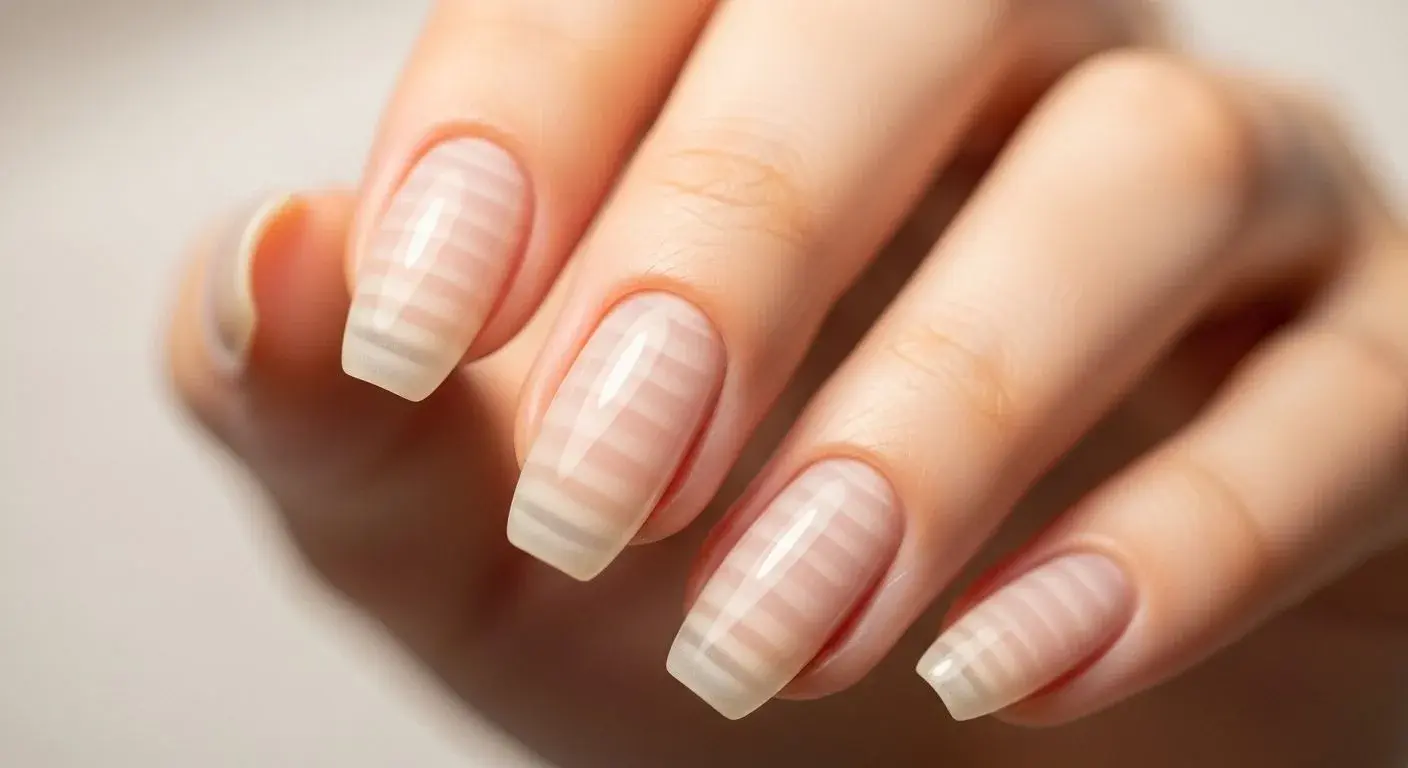
Nail changes during perimenopause and menopause are more common than most women expect, and more directly hormonal than most dermatologists initially communicate. Estrogen supports keratin production, maintains moisture in the nail bed, and influences the rate of nail-cell turnover. As estrogen declines, nails grow more slowly, retain less moisture, and lose structural integrity. The result is a cluster of symptoms: brittle tips that snap rather than bend, longitudinal ridges running from cuticle to tip, and peeling that separates the top layers of the nail plate.
A common misconception is that these changes signal a nutritional deficiency. While low biotin or iron can certainly affect nails, the pattern of change in menopause is distinct: it tends to appear across all nails simultaneously and correlates with other skin changes rather than dietary intake. If you are also noticing dry, reactive skin alongside nail changes, that points to a systemic hormonal shift rather than a localised problem. The same collagen and moisture-loss mechanisms that affect your nails also affect facial skin — our guide on the best face creams for menopause skin covers this crossover in detail.
What Standard Nail Advice Gets Wrong in Menopause
The typical recommendation for brittle nails is to take biotin supplements and wear gloves when washing dishes. Both are reasonable but insufficient when the root cause is hormonal. Biotin supplementation has mixed evidence even outside menopause — studies show benefit mainly in those with a confirmed deficiency, which is relatively rare. The contradiction between popular belief and evidence is significant here: biotin is widely marketed as a nail-strengthening supplement, yet clinical trials show minimal effect in people with normal biotin levels, and this group includes most menopausal women.
The edge case where standard advice genuinely fails is in women using gel or acrylic nails to 'protect' brittle nails. In menopause, the nail bed is more permeable and less resilient, meaning the removal process for artificial nails causes disproportionate damage. Many women find their nails worsen significantly after gel cycles during perimenopause, even if the same routine was fine for years before. The trade-off is real: short-term aesthetic improvement, long-term structural damage to an already compromised nail.
Treatments and Products That Support Menopause Nails
The most evidence-supported approach combines topical hydration with internal support and, where appropriate, hormonal treatment. For topical care, look for nail oils containing jojoba, argan, or vitamin E applied directly to the cuticle and nail plate twice daily — these penetrate the nail bed and reduce brittleness measurably over 6 to 8 weeks. Nail strengtheners containing hydrolysed keratin or calcium offer a protective film layer and are more effective than hardeners containing formaldehyde, which can paradoxically increase brittleness over time.
Internally, collagen peptide supplements (specifically types I and III) have more robust support than biotin for menopause-related nail and skin changes. Omega-3 fatty acids also reduce nail-plate inflammation and peeling. Women on HRT frequently report nail improvement as a secondary benefit, consistent with estrogen's role in keratin regulation. For related skin symptoms that often appear alongside nail changes, including ear canal dryness and itching, the same hormonal mechanism applies — see our article on menopause itchy ears treatment for the broader skin-barrier picture.