
Understanding Water-Based vs Silicone-Based Foundations for Menopausal Skin
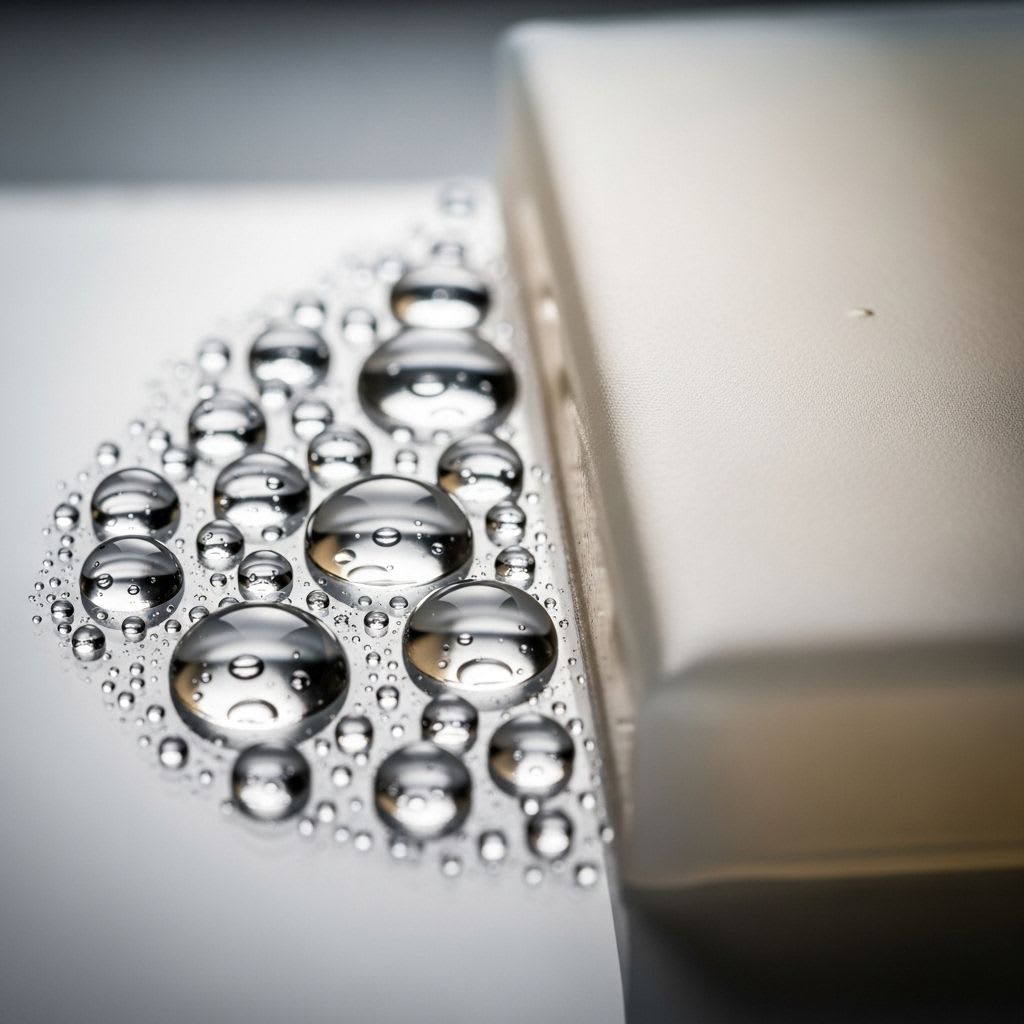
The distinction between water-based and silicone-based foundations becomes critical during menopause when skin loses 30% of its moisture-retaining capacity. Water-based foundations list water (aqua) as the first ingredient and provide lightweight, breathable coverage that allows skin to absorb moisture throughout the day. These formulas feel refreshing on application and work well for dehydrated menopausal skin that needs hydration support rather than occlusive barriers.
In contrast, silicone-based foundations list cyclopentasiloxane, dimethicone, or other siloxanes first. They create a smooth, pore-blurring effect and resist moisture loss by forming a semi-permeable film. This sounds beneficial, but on extremely dry menopausal skin, silicone formulas can emphasize texture and settle into wrinkles within hours because they don't provide the hydration the skin desperately needs—they just trap whatever moisture exists underneath.
The confusion arises because many modern foundations are hybrid formulas containing both water and silicones. The ingredient order determines the base—whichever appears first defines the formula type. For menopausal skin specifically, water-based formulas generally perform better because they don't require existing moisture to look good, while silicone-based formulas work beautifully on well-hydrated skin but look patchy and dry on compromised barriers. Understanding your skin's current state matters more than the formula's reputation.
Which Clinique Foundations Are Water-Based vs Silicone-Based
Clinique's most popular foundations split between both categories. Even Better Clinical Serum Foundation is water-based, listing water first followed by glycerin and niacinamide. This formula is specifically designed for dry, aging skin and provides buildable coverage with skincare benefits. The water base allows it to blend seamlessly into dehydrated menopausal skin without emphasizing texture, though it offers less pore-blurring than silicone alternatives.
Conversely, Beyond Perfecting Foundation + Concealer is silicone-based, with cyclopentasiloxane as the first ingredient. This creates Clinique's signature smooth, natural finish that photographs beautifully and resists transfer. However, on very dry menopausal skin, it can look disconnected from the skin's surface by afternoon, settling into fine lines around the eyes and mouth. The formula works best when skin is adequately hydrated with serums and moisturizers beforehand.
A common misconception is that all Clinique foundations are water-based because the brand emphasizes dermatologist development and sensitive skin compatibility. In reality, Clinique uses both bases strategically—water for dry/mature skin formulas and silicone for long-wear/oil-control products. The Superbalanced Makeup, for example, is a hybrid that lists water first but contains significant silicones to balance combination skin, making it moderately suitable for menopausal skin depending on individual dryness levels.
To identify the base of any Clinique foundation you're considering, check the ingredient list directly. If water (aqua) is first, it's water-based. If cyclopentasiloxane, dimethicone, or similar siloxane is first, it's silicone-based. Don't rely on marketing descriptions like 'hydrating' or 'lightweight'—these terms appear on both formula types. For comprehensive foundation selection guidance, see our age-defying foundation guide.
When Silicone-Based Formulas Actually Work Better: The Edge Case
Standard advice recommends water-based foundations for dry menopausal skin, but there's a critical exception: women experiencing combination skin during perimenopause. Hormonal fluctuations can create paradoxical skin where the T-zone produces excess oil while cheeks remain dry. In this scenario, water-based foundations look beautiful on dry areas but slide off oily zones within hours, while silicone-based formulas create a unified finish across both skin types.
The trade-off is preparation time. Silicone-based Clinique foundations require intensive pre-makeup hydration—hyaluronic acid serum, rich moisturizer, and 10-minute absorption time—to prevent them from emphasizing dry patches. If you're willing to invest this prep time, silicone formulas provide superior longevity and photograph better than water-based alternatives. If you need quick application, water-based formulas are more forgiving of rushed routines.
Additionally, silicone-based foundations excel for special events where makeup must last 8+ hours without touch-ups. The film they create resists breakdown from heat, humidity, and natural oil production better than water-based formulas. For daily wear where you can refresh makeup mid-day, water-based provides more comfort and skin-compatible wear. Neither is universally superior—the choice depends on your specific needs that day. Learn more application strategies in our complete makeup guide for menopausal skin.
The honest limitation is that both formula types perform suboptimally on severely dehydrated menopausal skin. Water-based foundations provide temporary comfort but may lack sufficient coverage for age-related discoloration. Silicone-based foundations offer coverage but can look artificial on extremely textured skin. In cases of severe dryness, the solution isn't choosing the perfect foundation base—it's addressing barrier dysfunction through intensive skincare before expecting any makeup to perform well. This reality means some periods require makeup hiatus while skin recovers, which standard beauty advice rarely acknowledges.