Why Hyperpigmentation Requires Different Concealer Than Other Concerns
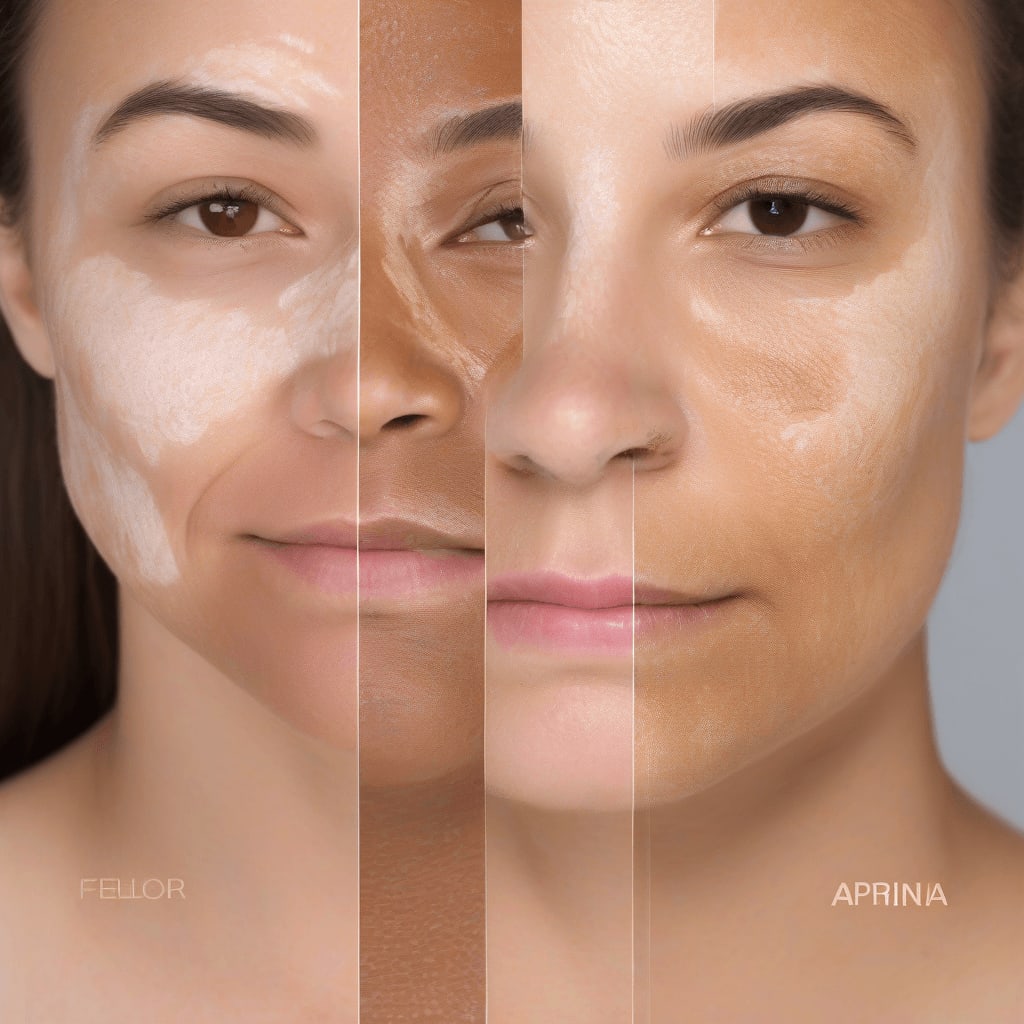
Dark spots and hyperpigmentation present a unique concealer challenge that differs fundamentally from covering blemishes, redness, or under-eye circles. While those concerns involve temporary discoloration or shadows, hyperpigmentation represents excess melanin deposited deep in the skin that shows through even heavy foundation. The pigment isn't sitting on the surface—it's embedded within skin layers, which means surface coverage alone creates a gray, ashy appearance rather than natural-looking correction. This explains why women can apply multiple layers of regular concealer to dark spots yet the discoloration remains visible, often looking worse than if left bare.
The situation intensifies after 40 when hormonal fluctuations during perimenopause and menopause trigger melasma—large patches of brown pigmentation typically across the cheeks, forehead, and upper lip. Unlike age spots that appear as distinct circles, melasma spreads in irregular patterns that are nearly impossible to conceal with standard techniques. Estrogen and progesterone changes increase melanocyte activity while simultaneously thinning skin, making pigmentation both darker and more visible. Additionally, the skin texture changes that accompany menopause mean concealers that might have worked in your 30s now emphasize the very areas you're trying to hide by settling into fine lines around dark spots.
What most tutorials fail to mention is that hyperpigmentation also changes the skin's surface properties. Areas with concentrated melanin often feel slightly different in texture—sometimes smoother, sometimes more porous—which affects how concealer adheres and wears throughout the day. This texture variation means concealer may fade from dark spots while remaining intact on surrounding skin, creating obvious patches by afternoon. Understanding this helps explain why you need both specialized formulas and application techniques. Learn comprehensive approaches to managing skin changes in our complete makeup guide for menopause.
Common Mistakes That Make Dark Spots More Obvious
Myth 1: Just Use More Concealer for Better Coverage
The instinct to pile on concealer when dark spots show through creates a self-defeating cycle that makes pigmentation more noticeable rather than less. Multiple thick layers of flesh-toned concealer over brown pigmentation produce a grayish, muddy result because you're essentially mixing brown and beige on the skin—the dark pigment showing through lighter coverage creates an in-between color that looks unnatural and flat. Additionally, heavy concealer applied directly over hyperpigmentation emphasizes any texture differences, drawing attention through both color and texture contrast. The professional approach uses thin layers of properly color-corrected product, which requires less total product while achieving more complete coverage.
Myth 2: Match Concealer Exactly to Your Skin Tone
For dark spot coverage specifically, exact skin-tone matching guarantees failure because you're trying to cover pigmentation that's darker than your base skin tone with a concealer that matches your base tone—the math simply doesn't work. Professional makeup artists working with hyperpigmentation typically use concealers one shade lighter than the surrounding skin, applied after color correction. This slightly lighter shade compensates for the underlying darkness while still appearing natural when blended at the edges. The key is that the lighter concealer only covers the dark spot itself—you're not applying it across your entire face, so the slight mismatch becomes invisible when properly feathered.
The Color Correction Reality Most Tutorials Oversimplify
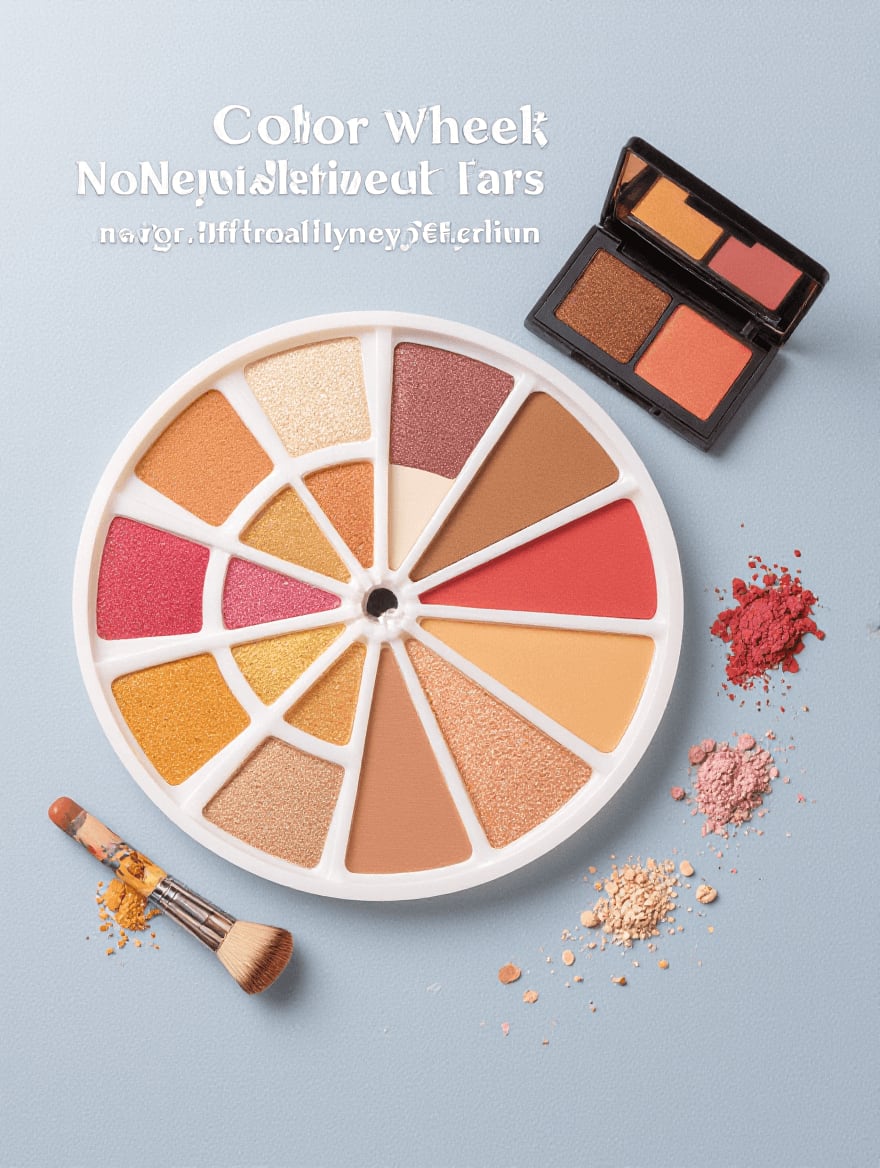
Standard color correction advice recommends orange or peach correctors for dark spots, but this oversimplifies a complex issue. The correct corrector depends on both your skin depth and the pigmentation type. Fair to light skin with brownish hyperpigmentation needs peachy-pink correctors, while medium to deep skin requires true orange or even red-orange tones. Using the wrong intensity makes correction obvious—too light and it doesn't neutralize, too dark and you've added another visible layer. Additionally, not all dark spots are the same color: sun damage tends toward brown, hormonal melasma often has grayish undertones, and post-inflammatory hyperpigmentation can appear purple-brown. Each requires slightly different correction, which means you may need to mix corrector shades or layer them strategically rather than relying on a single product.
Techniques That Actually Neutralize Hyperpigmentation
The Three-Layer Method for Stubborn Dark Spots
Effective dark spot coverage requires systematic layering rather than random application. Start with color corrector applied only to the darkest pigmentation—not the entire area, just the deepest brown spots. Use the smallest amount possible, warming it between fingers and pressing it into the pigmentation with a patting motion. Let this set for 30 seconds before applying your regular foundation over your entire face, including the corrected areas. The foundation acts as the second layer, providing some coverage while creating a unified base. Finally, use a concealer one shade lighter than your foundation, applying it specifically over any remaining visible pigmentation and blending only the outer edges. This three-step approach builds coverage progressively without thickness, preventing the cakey appearance that comes from piling a single product.
Formula Selection: Why Texture Matters as Much as Color
For hyperpigmentation on mature skin, creamy, emollient concealers dramatically outperform matte or powder formulas because they don't emphasize the texture differences around dark spots. Matte concealers cling to any dry patches or rough texture that often surrounds pigmentation, creating obvious patches. Instead, look for concealers described as "luminous," "radiant," or "hydrating"—these contain light-reflecting particles and moisturizing ingredients that diffuse the appearance of both color and texture irregularities. The slight sheen also prevents that flat, painted-on look that betrays heavy concealer use. However, balance is critical—too much luminosity on mature skin emphasizes fine lines, so you want subtle glow, not obvious shimmer.
- For isolated age spots: Use a small precision brush to apply full-coverage concealer only to the spot itself, then tap edges with your finger to blend—never drag or rub, which removes coverage
- For melasma patches: Apply color corrector in a stippling motion across the entire patch, then use a damp sponge to press foundation over it—the moisture helps blend without disturbing the correction layer
- For upper lip hyperpigmentation: Use the lightest possible layers in this area as skin is thin and shows product buildup easily—multiple sheer layers work better than one heavy application
When Concealer Alone Isn't Enough: The Skincare Connection
The scenario where concealer consistently fails is when you're trying to cover actively darkening hyperpigmentation that's worsening due to ongoing inflammation or sun exposure. No concealer, regardless of formula or technique, can keep pace with pigmentation that's actively being produced. If your dark spots look worse by midday even with fresh concealer, or if you're using more product each month to achieve the same coverage, the issue isn't your makeup—it's untreated melanogenesis. This particularly affects women experiencing hormonal fluctuations during perimenopause when melanocyte activity is unpredictable. In these cases, focusing exclusively on coverage becomes frustrating and expensive. Instead, addressing the underlying cause through proper skincare creates a stable canvas that concealer can actually cover. Ingredients like tranexamic acid, niacinamide, and vitamin C help regulate melanin production, making concealer dramatically more effective. While makeup provides immediate coverage, treating the source of pigmentation means you'll need less concealer over time rather than more. Explore treatment approaches in our guide to skin cream for menopause.