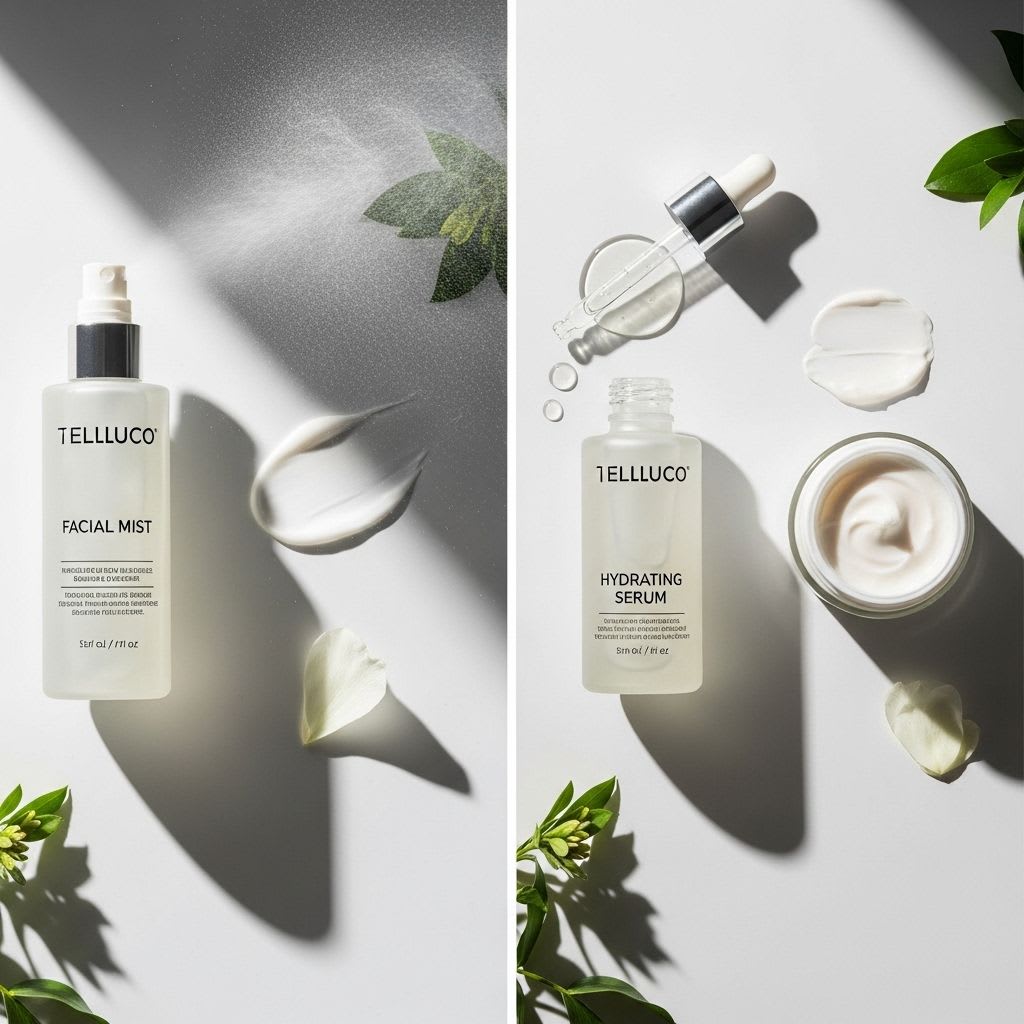
Why Face Mist Placement Actually Matters
The question do you use facial mist before or after moisturizer doesn't have a single answer because face mists serve three completely different functions depending on their formulation and when you apply them. A hydrating mist used before moisturizer acts as a humectant delivery system, pulling moisture into skin that moisturizer then seals in. The same mist used after moisturizer becomes a setting agent that helps product absorption. Meanwhile, a fixing mist applied over makeup serves an entirely separate purpose—holding pigments in place with film-forming polymers.
What dermatological research reveals about face misting benefits contradicts the simple refreshment claim most brands promote. When applied to damp skin immediately after cleansing, mists containing humectants like glycerin or hyaluronic acid can increase stratum corneum hydration by 30-40% compared to applying moisturizer on dry skin. This happens because humectants need water to function—they bind to existing moisture and prevent evaporation. Without adequate water present, they actually pull moisture out of deeper skin layers, causing paradoxical dehydration.
The critical distinction most product marketing obscures: understanding what is face mist used for requires reading ingredient lists, not product names. A thermal spring water mist provides minerals but minimal hydration. A rosewater mist offers temporary soothing but evaporates quickly. A hyaluronic acid mist delivers actual moisture-binding benefits. Each requires different placement in your routine to function optimally, yet they're all marketed identically as refreshing sprays. For similar layering decisions with active ingredients, see our guide on vitamin C serum placement in routines.
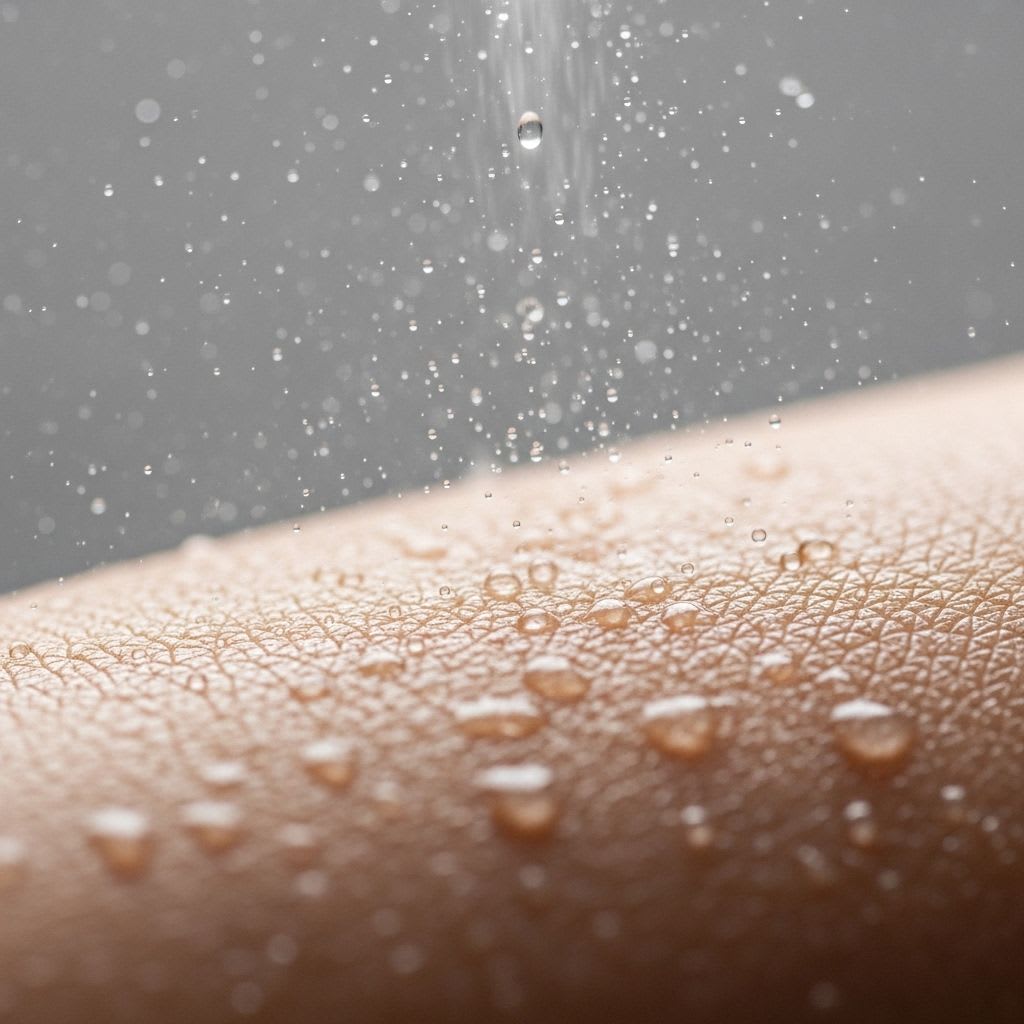
Common Face Mist Myths Sabotaging Your Routine
Myth 1: Face Mist Hydrates Skin Throughout the Day
The marketing promise of midday hydration refreshment contradicts how skin barrier function actually works. Spraying plain water or mineral mist onto skin without following with an occlusive product causes the Transepidermal Water Loss effect—the mist evaporates and pulls existing moisture from your skin with it, leaving you more dehydrated than before. This is why your skin feels tight 5-10 minutes after misting. The only exception: mists containing film-forming humectants like sodium hyaluronate that create a temporary moisture barrier, but these make skin feel sticky and aren't practical for over-makeup application.
Myth 2: All Face Mists Work the Same Way
What beginners misunderstand is that face mist is a delivery method, not an ingredient category. A thermal water mist (just mineral water) requires application before moisturizer to provide any benefit—the minerals support barrier function but offer zero hydration alone. A glycerin-based hydrating mist works best before moisturizer to boost humectant activity. But a fixing spray containing acrylates copolymer must go after all products to create its setting film. Using a fixing spray before moisturizer blocks product absorption entirely. The trade-off with understanding these distinctions? You likely need 2-3 different mists for different purposes, not one miracle spray.
Myth 3: More Misting Equals More Hydration
The misconception that excessive misting improves results actually creates the opposite effect. Your skin can only absorb so much water at once—typically 2-3 passes of mist before saturation. Additional spraying just creates dripping water that runs off without penetrating. Worse, over-wetting skin before applying serums dilutes their active ingredients, reducing efficacy. Evidence shows that one thorough misting—holding the bottle 8-10 inches away and spraying until fine droplets coat your face—provides maximum benefit. A second layer after 30 seconds adds nothing except wasted product.
The Correct Face Mist Protocol for Each Skin Goal
What experienced practitioners do differently starts with matching mist type to intended outcome. Your routine placement depends entirely on whether you're trying to boost hydration, improve product absorption, set makeup, or refresh during the day. Each goal requires different formulations at different steps, and using the wrong mist at the wrong time delivers zero benefits while potentially causing problems.
Strategic placement protocols for maximum efficacy:
- For hydration boost: Mist immediately after cleansing while skin is still damp. Use hydrating mists containing hyaluronic acid, glycerin, or aloe vera. Wait 30 seconds for absorption, then apply serum while skin remains slightly damp. Follow with moisturizer to seal everything in. This layering maximizes humectant function.
- For product absorption: Apply mist after each product layer—after serum, after moisturizer, after sunscreen. Use essence-type mists with fermented ingredients or niacinamide. This technique, borrowed from Korean skincare, helps each layer penetrate rather than sit on the surface. Particularly effective during hormonal skin changes when absorption decreases.
- For makeup setting: Use fixing spray only after complete makeup application. Hold bottle 10-12 inches away and spray in an X-then-T pattern. Let dry completely (2-3 minutes) without touching. These sprays contain film-formers that need to set undisturbed. For makeup techniques during menopause, explore our
complete guide to makeup during skin changes.
Ingredient analysis matters more than marketing claims. Check if your mist contains humectants (glycerin, hyaluronic acid, propylene glycol), emollients (squalane, oils), or film-formers (acrylates, PVP). Humectant mists go before moisturizer. Film-former mists go after everything. Emollient mists can work either way but function best after water-based products. Simple thermal or floral water mists provide minimal benefit regardless of placement—they're essentially expensive water in a spray bottle.
When Face Mist Makes Things Worse
Here's the edge case that standard advice ignores: if you live in low-humidity environments (below 40% relative humidity), using hydrating face mist without immediately sealing it with moisturizer creates worse dehydration than skipping mist entirely. The humectants in the mist pull moisture from your skin into the dry air because there's insufficient environmental humidity for them to draw from. This explains why face mist feels amazing in humid climates but makes skin tight and irritated in dry climates like Colorado or Arizona. The solution requires inverting standard protocol—apply moisturizer first to create an occlusive barrier, then mist lightly over it to add surface hydration that can't escape. This contradicts every tutorial but actually works in arid conditions. The limitation? It feels counterintuitive and doesn't provide the same immediate plumping effect as traditional mist-first application, even though it delivers better long-term hydration in dry environments.