Why Everything You've Tried Makes Marionette Lines More Visible
The instinct when learning how to hide marionette lines with makeup is to apply more coverage directly into the lines—exactly what makes them dramatically more noticeable. Marionette lines are vertical folds extending from the corners of your mouth to your jawline, created by loss of collagen and fat pad descent, not surface texture issues. When you pack concealer or foundation into these structural creases, it settles within 30 minutes, creating a visible stripe that actually draws attention to the depth and shadow of the fold. The makeup migrates into the crevice throughout the day, oxidizes to a darker shade, and creates the opposite effect you intended.
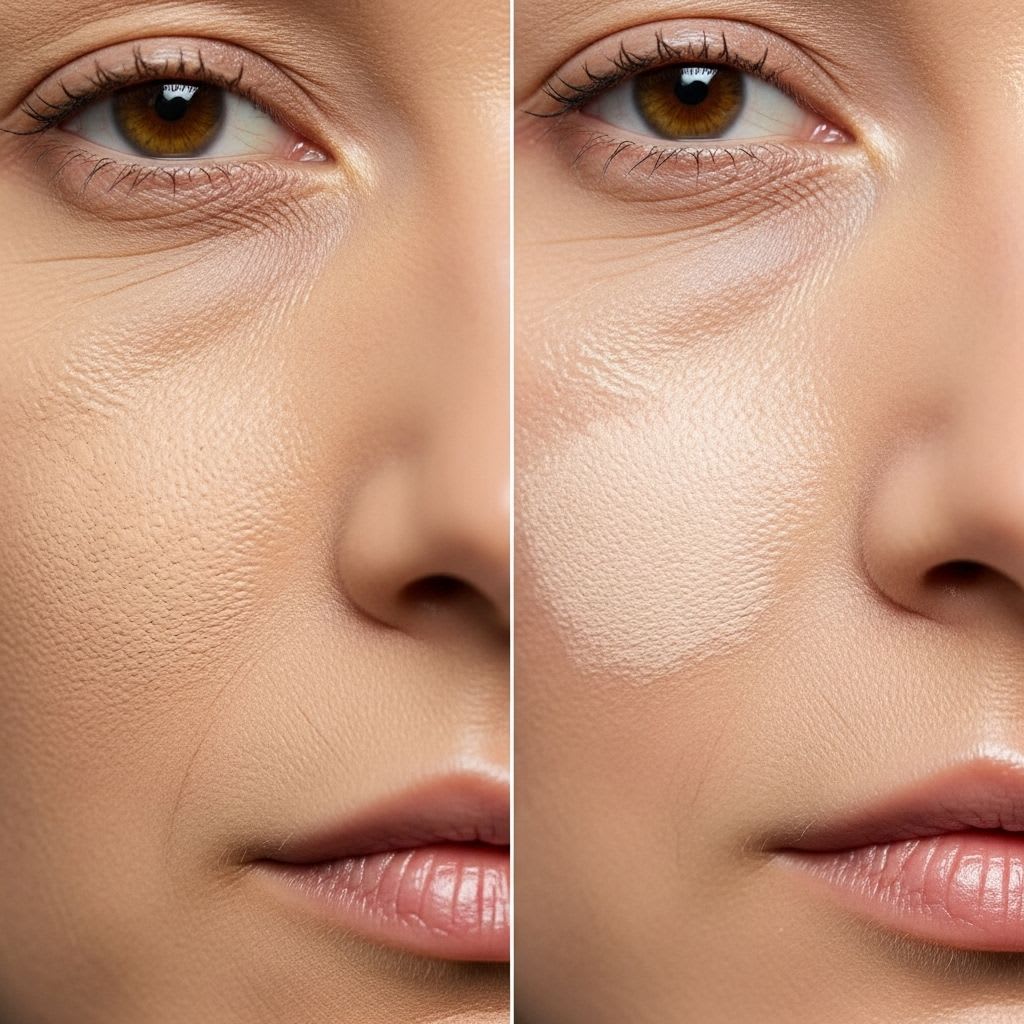
What professional makeup artists understand through working with actresses over 50: you cannot truly hide deep structural folds with makeup—you can only manipulate light and shadow to make them less prominent. Makeup for marionette lines succeeds when it blurs the transition between the fold and surrounding skin rather than attempting to fill or mask the line itself. This requires understanding that the shadow cast by the fold is what creates visual depth, not the line itself. Strategic illumination of the shadowed area while maintaining overall skin texture makes marionette lines recede visually without the telltale signs of heavy concealing.
The most damaging misconception is that thicker, fuller coverage foundation will minimize marionette lines better than lightweight formulas. The opposite is true—heavy foundation emphasizes every bit of skin laxity and makes the fold appear deeper by creating a visible layer that separates and creases along the line. Lightweight, flexible formulas that move with your facial expressions prevent the cracking and settling that occurs when you smile or talk. Professional sets require foundations that remain undetectable during close-up filming, which means formulas so sheer they're almost imperceptible yet strategically layered to even tone without weight.
The Light-Manipulation Technique Nobody Teaches
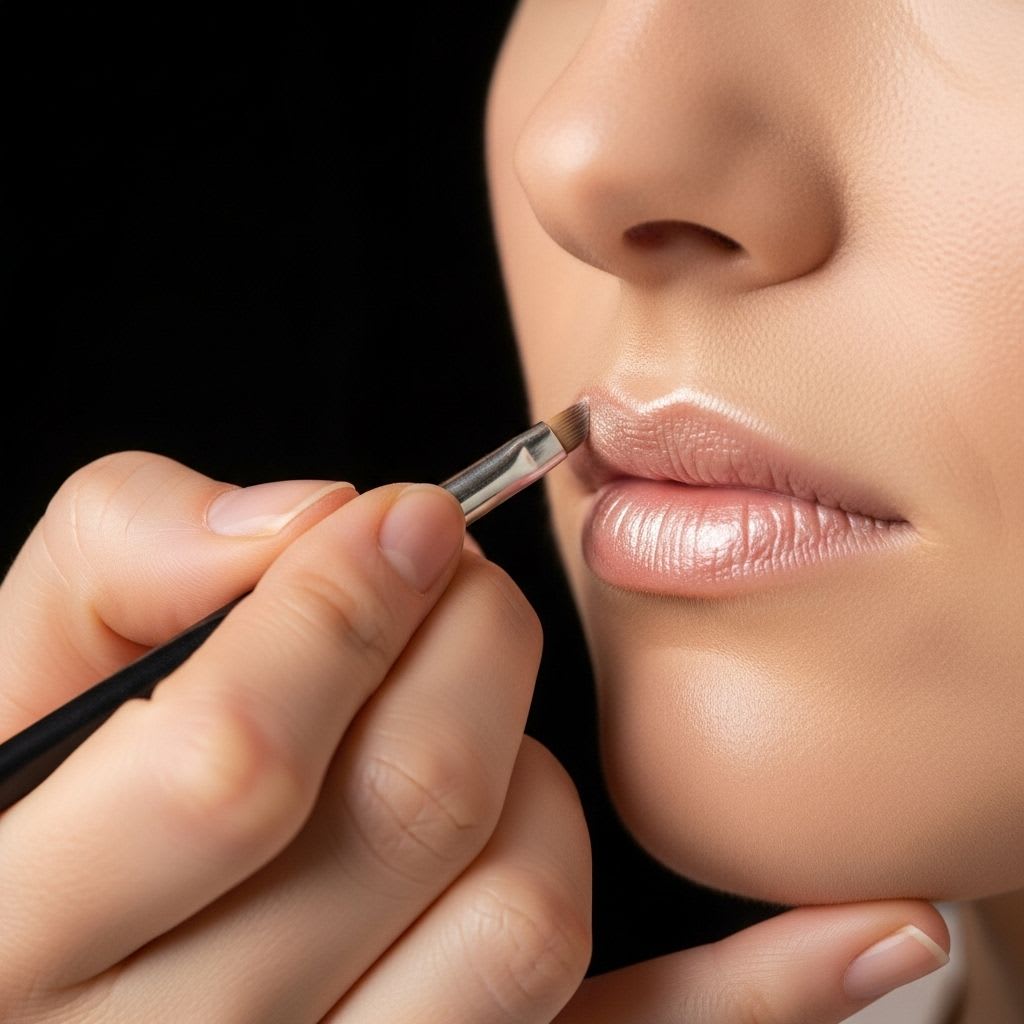
The professional approach to minimizing marionette lines relies on a counterintuitive technique: using luminosity to cancel shadows rather than coverage to hide lines. Apply your regular foundation everywhere except the immediate area of the marionette fold—attempting to work foundation into the crease only emphasizes it. Instead, take a liquid illuminator or light-reflecting concealer one shade lighter than your skin tone and apply it exclusively in the shadowed depression of the fold using a small, precise brush. This isn't highlighting the line—it's canceling the shadow that makes the depth visible.
The critical detail most tutorials skip: the illuminator must be tapped in with a dampened sponge after initial placement to press it into the fold without dragging or pulling your skin. Any rubbing motion stretches the already-lax tissue and makes the fold more pronounced. After pressing the illuminator into the shadow, you leave it completely alone—no powder, no additional foundation, no setting spray in that specific area. The slight dewyness of the illuminator continues to reflect light throughout the day, maintaining the shadow-canceling effect that makes the lines appear less deep.
The Product Formulas That Work Versus Those That Settle
Foundation selection determines whether your makeup for marionette lines approach succeeds or fails within the first hour of wear. Avoid any foundation marketed as 'long-wearing' or 'transfer-resistant' for the lower face area where marionette lines form—these formulas contain film-forming polymers that create a rigid layer which cracks along every fold and crease. Instead, choose foundations labeled as 'flexible,' 'second-skin,' or 'natural finish' that contain ingredients like glycerin, squalane, or hyaluronic acid in the first five ingredients. These formulas maintain slight movement capability that prevents the visible separating and settling that emphasizes deep lines.
The illuminator or brightening concealer you use in the fold itself requires specific characteristics that differ from traditional concealers. It must be liquid or serum-based rather than cream or stick formula—creamy textures have too much grip and will drag on the delicate, lax skin around marionette lines. Look for products containing light-reflecting pearls or mica but not chunky glitter particles that will settle into the texture and create a disco-ball effect in the crease. The reflection should be soft and diffused, created by micronized minerals that scatter light in multiple directions rather than obvious shimmer.
- Serum-based illuminating concealers: Thin enough to sink into folds without settling, with built-in light reflection that lasts all day without reapplication
- Hydrating setting sprays: Used everywhere except the marionette area—moisture in the fold keeps the illuminator active and prevents dry settling
- Silicone-based primers: Applied only to smooth areas of the face, never near marionette lines where they create a barrier that emphasizes the fold
- Avoid: Any powder near marionette lines: Powder clings to the texture of folds and creates visible buildup that makes lines look deeper and more textured
Blush and contour placement becomes strategic when working around marionette lines. The standard technique of applying blush on the apples of your cheeks actually draws the eye downward toward marionette folds. Instead, apply cream blush higher on the cheekbone and blend upward and outward toward your temples—this creates an uplifting effect that counteracts the downward pull of marionette lines. Similarly, avoid contouring directly along your jawline, which emphasizes the shadow created by the fold; instead, contour only at the very bottom edge of your jaw to define bone structure without accentuating the area where marionette lines form.
Lip liner and lipstick application requires modification when you have prominent marionette lines. Overdrawn lips or dramatically dark lip colors draw attention directly to the lower face area and make marionette lines more visible by creating contrast. Choose lip colors within two shades of your natural lip tone and avoid sharp, precise lip liner that creates a harsh edge near the fold area. Slightly blurred, softer lip definition keeps the focus on your lips themselves rather than the surrounding structure where marionette lines are visible.
For a complete foundation approach that addresses marionette lines alongside other age-related skin changes, see our guide to age-defying foundation techniques for menopausal skin that covers product selection and application for all common areas of concern.
When Standard Concealing Techniques Make Everything Worse
The universal advice to use color-correcting concealers before your illuminator fails catastrophically with marionette lines because it adds too many layers to an area that shows every bit of product buildup. Laycolor correctors like peach or pink tones are designed for flat discoloration, not three-dimensional folds. When applied to marionette lines, color correctors create a visible stripe of different-toned product that settles into the crease and looks obviously makeup-heavy. The successful approach skips color correction entirely and relies solely on light manipulation through illumination—one strategic product rather than multiple layers.
Another scenario where conventional wisdom backfires: women with very deep marionette lines who are told to use heavy-duty, full-coverage concealer in the fold. The deeper the line, the more essential it becomes to use the lightest touch possible. Deep marionette lines have more surface area for product to settle into and more shadow to manipulate—attempting to mask them with heavy coverage creates an obvious, cakey appearance that makes you look older rather than minimizing the lines. These severe cases require the illuminator technique with the sheerest possible foundation everywhere else, allowing the strategic light reflection to do all the work.
The question how to hide marionette lines with makeup itself reveals a flawed premise—the goal isn't to hide but to minimize visual prominence. Women who achieve the most natural, youthful results understand that marionette lines will still be visible upon close inspection, but they won't be the first thing people notice about your face. This mindset shift from 'complete concealment' to 'reduced prominence' prevents the over-application of product that creates the heavy, obviously made-up appearance that paradoxically emphasizes aging.
The critical failure point for most techniques occurs during touch-ups throughout the day. Adding more powder or concealer to marionette lines after initial application never improves their appearance—it only creates more buildup and settling. If your illuminator has faded by midday, the solution is blotting papers to remove any oil in the surrounding area followed by a single light mist of hydrating setting spray, which reactivates the light-reflecting properties of your original illuminator application. Never add more product to the fold itself during touch-ups.
For comprehensive strategies on adapting your entire makeup approach to address all types of expression lines and age-related changes, explore our complete guide to makeup for hormonal skin changes that addresses techniques for every facial area affected by aging and hormonal shifts.