
Understanding Laura Geller's Baked Foundation Technology
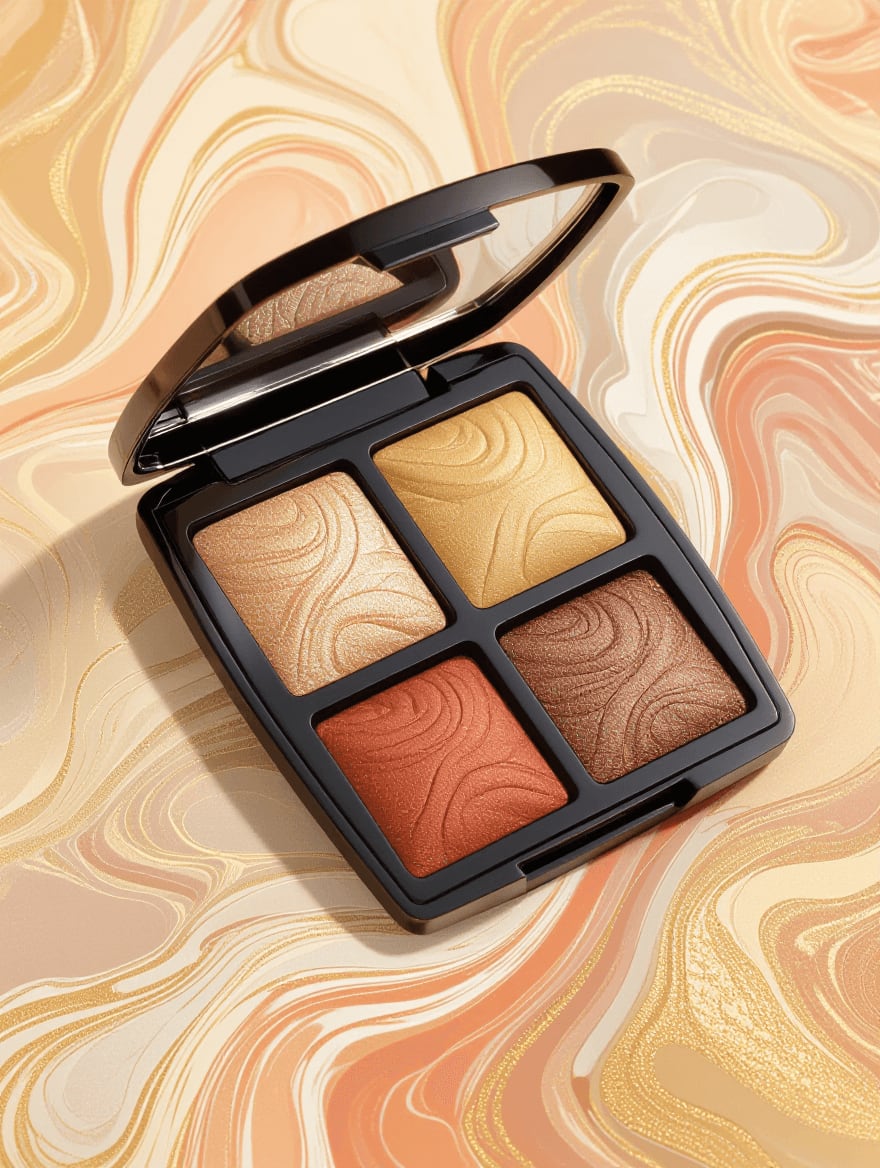
Laura Geller's baked foundation isn't just marketing language—it's a fundamentally different product than pressed powder or liquid foundation. The baking process involves pouring liquid foundation onto terra cotta tiles and slow-baking for 24 hours, which creates a unique texture that's simultaneously powder and cream. This mosaic-domed surface you see isn't decorative; it's the result of moisture evaporation creating concentrated pigment pockets within a silky base.
What makes this relevant for mature skin is the formula's dual personality. Unlike traditional powder that sits on skin surface and emphasizes texture, or liquid that can settle into lines, baked foundation melts slightly on contact with skin warmth. This creates a hybrid finish—the weightless feel of powder with the seamless blending of cream. For hormonal skin experiencing both dryness and unexpected oil patches, this adaptability prevents the common problem where foundation looks perfect on one area but terrible on another.
The color marbling throughout the compact serves a specific function beyond aesthetics. Different pigment concentrations within the pan allow you to customize coverage and undertone by how you load your brush or sponge. Swirling picks up a balanced mix, while targeting specific color veins lets you adjust warmth or correct discoloration. This built-in versatility matters during perimenopause when skin tone becomes less predictable due to fluctuating estrogen affecting melanin distribution.
However, this same technology creates confusion about application method. The product can be used wet or dry, with fingers, brush, or sponge—but each combination produces dramatically different coverage and finish. What works beautifully for a 30-year-old applying makeup for Instagram won't translate to 50-year-old skin needing natural, long-wearing coverage. Understanding which technique serves mature skin goals prevents the frustrating experience of fighting the product instead of working with its unique properties, similar to principles in choosing age-defying foundations.
Wet vs. Dry Application: Which Method for Mature Skin?
The Dry Method: Everyday Natural Coverage
Applying Laura Geller baked foundation dry means using it like traditional powder—but with crucial differences in technique. Dry application provides sheer to light-medium buildable coverage with a luminous, natural finish that doesn't settle into fine lines. This method works best for daily wear when you want to even skin tone without heavy makeup feeling.
The technique: use a large, fluffy dome-shaped brush (not a flat kabuki) and swirl lightly across the compact surface. The key word is lightly—pressing hard picks up too much product and breaks the baked surface. Tap excess back into the lid (never blow on the brush, which introduces moisture and bacteria). Apply to face using circular buffing motions, starting from center and working outward. Build coverage gradually by repeating the process rather than loading more product initially.
What beginners misunderstand: they expect powder-level sheerness and are surprised by how much coverage the dry method actually provides. Because baked foundation contains more pigment than pressed powder, one pass across the compact is sufficient for entire face. Going back multiple times before blending creates patchy, overly heavy application. The baked texture melts slightly with skin heat, so initial appearance during application looks different than the settled finish 2-3 minutes later.
The Wet Method: Enhanced Coverage and Longevity
Dampening your application tool transforms baked foundation into medium-to-full coverage with extended wear time. The moisture activates pigments and creates a more cream-like consistency that adheres better to skin. This method suits special occasions, photography, or when you need coverage that lasts 10+ hours without touch-ups.
Proper wet application technique: dampen a dense synthetic foundation brush or beauty sponge with water, then squeeze out excess so it's damp but not dripping. Press (don't swirl) the damp tool onto the foundation surface to pick up product—you'll notice it picks up more intensely than dry application. Apply to face using pressing and rolling motions rather than sweeping, which creates streaks. The foundation should feel slightly cool and creamy going on, then set to a powder finish within 60 seconds.
The critical mistake: using a soaking wet tool or adding too much water. Excess moisture creates a paste that's difficult to blend and emphasizes texture. What experienced users do: they dampen the tool, apply foundation, then lightly mist face with setting spray rather than adding more water to the brush. This creates the wet method's enhanced coverage without the blending difficulties of over-wet application.
For mature skin specifically, the wet method works best when skin is exceptionally well-hydrated underneath. The increased coverage can emphasize dryness if applied over insufficiently moisturized skin. Always use a hydrating serum and moisturizer, let them fully absorb, then apply foundation. If you notice the wet method settling into lines around eyes or mouth, those areas need additional prep with eye cream or targeted hydration before foundation application.
Choosing the Right Application Tools
Brush Selection for Different Effects
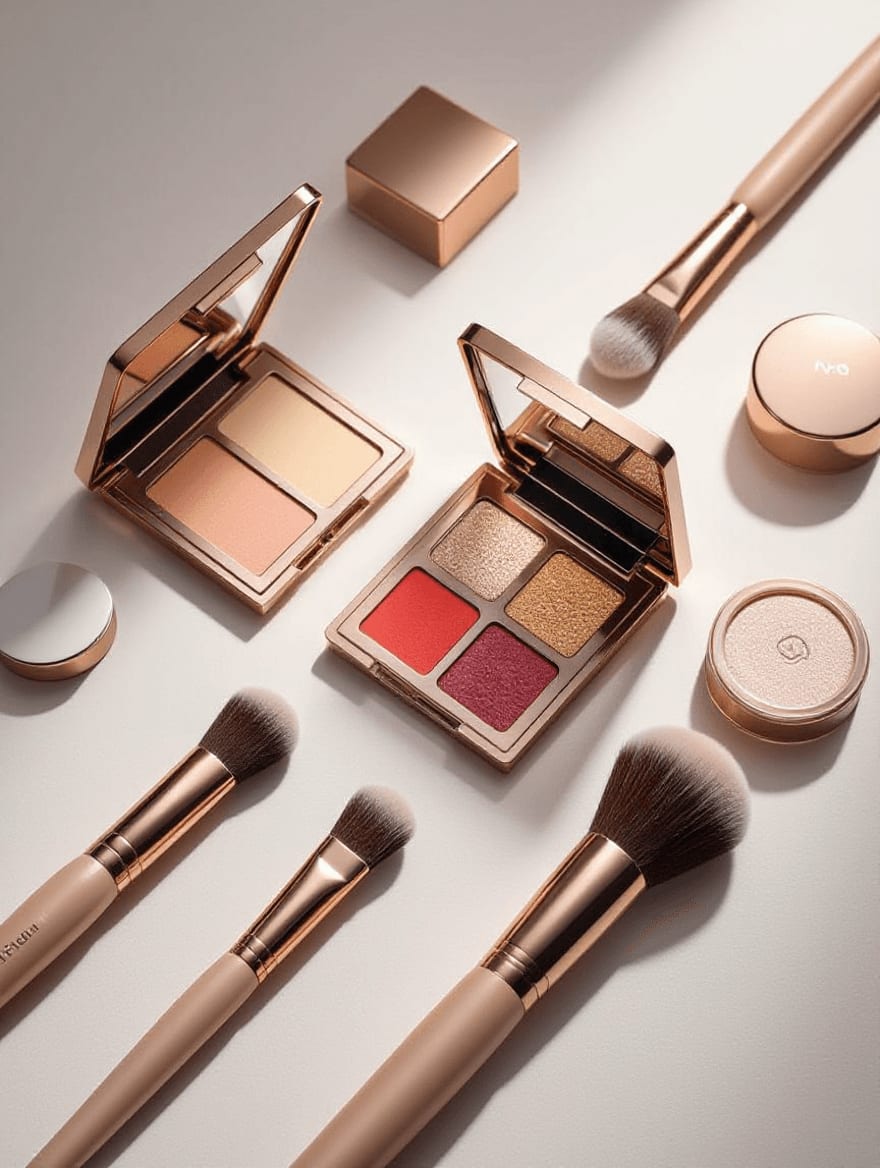
Laura Geller includes a brush with most foundation compacts, but the included brush rarely provides optimal results for mature skin. It's typically too small and dense, creating streaky application or picking up excessive product. Understanding brush characteristics helps you select tools that work with aging skin rather than against it.
For dry application, choose a large dome-shaped powder brush with soft, fluffy natural bristles. The size ensures even distribution across face zones, while natural bristles hold the powder texture better than synthetic. The brush should be at least 2 inches in diameter—smaller brushes require more strokes to cover face, increasing likelihood of patchy application. Brands like Real Techniques, Sigma, or even drugstore options from EcoTools work well; the brush doesn't need to be expensive, just appropriately sized and shaped.
Wet application demands dense synthetic brushes that don't absorb moisture. Flat-top kabuki brushes or densely-packed foundation brushes with synthetic taklon bristles work best. The density prevents product from getting trapped in brush interior (which wastes product and creates uneven application), while synthetic material resists moisture absorption that would occur with natural bristles.
Sponge Application: Pros and Limitations
Beauty sponges (BeautyBlender, Real Techniques, etc.) create the most seamless, skin-like finish with baked foundation, particularly when used damp. The bouncing, stippling motion of sponge application prevents dragging that can emphasize fine lines or disturb delicate mature skin. Sponges also excel at blending the foundation into primer or skincare without creating distinct lines of demarcation.
However, sponges absorb significant product, making them less economical than brushes. A sponge might use 50% more foundation to achieve the same coverage as a brush because half the product gets absorbed into the sponge interior. For everyday use, this represents considerable waste. What experienced users do: they reserve sponge application for special occasions or when they need absolutely flawless finish, and use brushes for daily wear.
Sponge technique specific to baked foundation: dampen the sponge thoroughly and squeeze out excess water until just damp. Press the sponge onto foundation compact (don't swirl or scrape), then bounce onto face using the rounded sides—never drag or wipe. Use the pointed tip for detailed areas around nose, inner corners of eyes, and lips. The foundation should feel cool and slightly wet initially, then dry down to powder finish. If it's leaving streaks or looking patchy, your sponge isn't damp enough.
Finger Application: When It Works and When It Doesn't
Fingers seem like the simplest option, but they're actually the most technique-dependent. Finger application only works well for very targeted correction—spot-treating blemishes, adding coverage to specific discoloration, or building up areas that need extra attention. For overall face application, fingers create uneven coverage because you can't maintain consistent pressure and the warmth of your fingers melts product too aggressively.
If you do use fingers, employ a pressing and patting motion (like applying concealer) rather than rubbing or massaging. Pick up a small amount on fingertip, warm it slightly by rubbing fingers together, then press onto the target area and blend edges with gentle tapping. This works for adding extra coverage to age spots or redness, but attempting full-face application this way results in patchy, finger-streaked makeup that looks applied rather than professional, as discussed in makeup application during menopause.
Step-by-Step Application for Mature Skin
Essential Pre-Foundation Preparation
Baked foundation's performance depends entirely on skin preparation. Unlike liquid foundations that bring their own moisture, baked formulas require adequately hydrated skin as their base. Start with hydrating serum containing hyaluronic acid or glycerin, let it absorb for 60 seconds, then apply moisturizer formulated for mature skin (ingredients like ceramides, peptides, or niacinamide work well).
The waiting period after moisturizer is critical. Skin must feel hydrated but completely dry to touch before foundation application. This typically takes 3-5 minutes. Applying baked foundation over tacky skincare creates pilling, uneven coverage, and separation. Test readiness by lightly pressing your cheek—if product transfers to your finger, wait longer.
Primer use with baked foundation is optional but beneficial for specific concerns. Pore-minimizing primers (silicone-based) work well in T-zone where texture is most visible, while hydrating primers benefit dry areas. Avoid heavy, thick primers that create a barrier—baked foundation works best when it can make slight contact with skin surface. A thin, targeted primer application in problem zones provides better results than heavy all-over priming.
The Actual Application Process
For dry method: swirl brush lightly across the compact surface, picking up a balanced mix of the marbled colors. Tap excess into the lid. Begin application at center of face (cheeks, nose, forehead) using circular buffing motions. Work in sections, blending as you go rather than applying product everywhere then blending. This prevents the foundation from setting before you've blended it properly.
Pay special attention to transition areas: jawline, hairline, and around eyes. Use a lighter touch in these zones and blend outward to avoid harsh lines. For under-eye area, many mature skin users find baked foundation too drying—consider using a creamy concealer here instead of foundation. If you do use the foundation under eyes, apply with a damp sponge using minimal product and set immediately with a finely-milled powder to prevent creasing.
For wet method: dampen your tool, press (don't swirl) onto foundation, then apply to face using pressing and rolling motions. Start with high-coverage needs areas (redness, hyperpigmentation) and blend outward into areas needing less coverage. The key difference from dry application is using less total product with more intentional placement. One or two tool loads should cover entire face when wet—if you need more, your tool is too wet or you're not picking up enough product per press.
Building Coverage Strategically
The beauty of baked foundation is buildability, but this requires understanding when to build and when to use concealer instead. Foundation should create overall evenness; concealer handles specific spots requiring high coverage. Trying to build baked foundation to full coverage on dark circles or prominent age spots creates thickness and emphasis rather than camouflage.
Strategic building technique: apply first layer over entire face, let it set for 2-3 minutes, then evaluate in natural light. Only add second layer to zones genuinely needing more coverage—typically center face (nose, cheeks, chin) while leaving perimeter (jawline, temples, hairline) with single-layer application. This creates depth and dimension rather than the flat, mask-like appearance of heavy all-over coverage.
For persistent concerns like melasma, dark spots, or rosacea, apply full-coverage concealer to those specific areas after foundation has set. Set concealer with a tiny amount of baked foundation applied with small brush or sponge tip—this color-matches the concealer to your foundation and prevents it from looking obviously different. This layering approach provides targeted high coverage without making entire face look heavy.
Common Mistakes That Age Your Makeup
The Over-Powdering Trap
Because baked foundation has a powder base, many users feel compelled to set it with additional powder. This is unnecessary and actively aging on mature skin. The baked formula sets itself as it dries down—adding setting powder creates a dry, flat finish that emphasizes texture and fine lines rather than minimizing them.
The only scenario requiring additional powder: if you have persistent oily zones (typically T-zone) that cause foundation to break down within a few hours. In this case, use finely-milled translucent powder only in oily areas, applied with small brush using pressing motions. The rest of face should remain powder-free to maintain the foundation's natural luminosity. Alternatively, use blotting papers throughout the day rather than powder, which absorbs oil without adding more product.
Ignoring the Marble Pattern
The marbled color veins in the compact aren't random—they allow shade customization. Most users just swirl across the entire surface, but targeting specific color veins lets you adjust warmth and correct discoloration. If you notice your foundation pulls too pink or yellow, you can compensate by preferentially picking up the opposing undertone.
Advanced technique: use warmer (more golden) veins in center face for healthy radiance, and slightly cooler veins around perimeter for better color matching to neck. This mimics natural face coloring where center tends to be slightly warmer due to circulation. The difference is subtle but creates more dimensional, natural-looking coverage than uniform all-over application.
Applying Over Incompatible Skincare
Certain skincare ingredients cause baked foundation to pill, separate, or look patchy. Silicone-heavy primers and water-based foundations don't mix well—they repel each other at molecular level. Similarly, applying baked foundation over heavy oils or petroleum-based products creates slipping and separation.
The solution: check your moisturizer and primer ingredient lists. If the first few ingredients include dimethicone, cyclopentasiloxane, or other silicones, pair with silicone-based primer or skip primer entirely. If you use water-based, gel-type moisturizers, they work beautifully under baked foundation without primer. The rule is consistency—silicone with silicone, water with water. Mixing formulation bases guarantees poor foundation performance regardless of application skill.
Retinol users face a specific challenge: active retinoid products can cause slight surface flaking that becomes obvious under powder foundations. If you use prescription retinoids or strong retinol, apply them at night only and use gentle exfoliation 24 hours before wearing foundation. Morning skincare should focus on hydration and barrier repair, not active treatment, when you plan to wear makeup.
Shade Selection and Undertone Matching
Laura Geller's shade range uses descriptive names (Porcelain, Fair, Light, Medium, Tan, Deep) rather than numerical systems, but these names don't account for undertone variation. A shade called "Medium" might work for medium-depth skin with warm undertones but look completely wrong on medium-depth skin with cool or neutral undertones.
The marbled nature of baked foundation provides some undertone flexibility—swirling the entire surface creates a balanced mix, while targeting specific veins adjusts warmth or coolness. However, this only works within a limited range. If your actual undertone significantly differs from the foundation's base undertone, no amount of strategic swirling will create a proper match.
Testing protocol: apply foundation to jawline and blend down onto neck in natural daylight. The correct shade disappears into your skin within 30 seconds—you shouldn't see a distinct line where foundation ends and bare skin begins. If the match looks good on your face but obvious on your neck, the shade is too dark or wrong undertone. If it looks great on neck but ghostly on face, you need slightly deeper shade.
For menopausal skin specifically, hormonal changes often create surface redness even in people who previously had neutral or warm undertones. This makes many women think they need pink-toned foundation, but neutral or slightly yellow-based shades actually neutralize redness better than matching it with pink foundation. Use green color-correcting primer on red zones before foundation rather than trying to cover redness with pink-toned foundation, which emphasizes rather than corrects.
Seasonal shade variation becomes more pronounced during hormonal changes. Many users need two shades—one for winter when melanin production decreases, one for summer when sun exposure adds warmth. Rather than buying two full compacts, some users mix shades by alternating which color veins they pick up, or lightly bronzing winter shade for warmer months. This adaptation acknowledges that menopausal skin doesn't maintain consistent tone year-round like younger skin often does.
When Baked Foundation Doesn't Work: Honest Limitations
Baked foundation has specific failure points that no application technique can overcome. Extremely dry skin finds the formula emphasizes flaking and texture regardless of moisturizer use. If you're experiencing severe dryness from hormonal changes, topical treatments, or climate, liquid or cream foundations provide better results until your skin barrier improves.
Very oily skin faces the opposite problem—the foundation can slide off within hours despite setting. While the wet application method improves longevity, truly oily skin needs matte liquid formulas or powder foundations designed specifically for oil control. Laura Geller's baked foundation sits in the middle ground: not moisturizing enough for very dry skin, not oil-controlling enough for very oily skin.
The shade range, while improved from earlier years, still lacks options for very deep skin tones. Women with skin deeper than medium-tan often can't find appropriate matches, making this foundation line inaccessible regardless of how well the formula might work for their skin type. This isn't something application technique can solve—it's a genuine product limitation.
Coverage expectation also determines satisfaction. If you need full coverage for extensive hyperpigmentation, severe rosacea, or significant scarring, baked foundation disappoints even with wet application and building. Maximum achievable coverage is medium—attempting to build beyond this creates cakey, obvious makeup. The formula's strength is natural-looking skin perfection, not camouflage. Different coverage needs require different foundation types entirely.
Finally, the compact format poses travel and hygiene challenges. The baked surface is delicate—dropping the compact often shatters the entire pan beyond repair. Dipping brushes directly into the product (while convenient) introduces bacteria and oils that can contaminate the formula. These aren't application issues but practical limitations of the product format that some users find dealbreaking compared to more durable, hygienic pump bottles.