
Why Aging Accelerates After Menopause — and Where
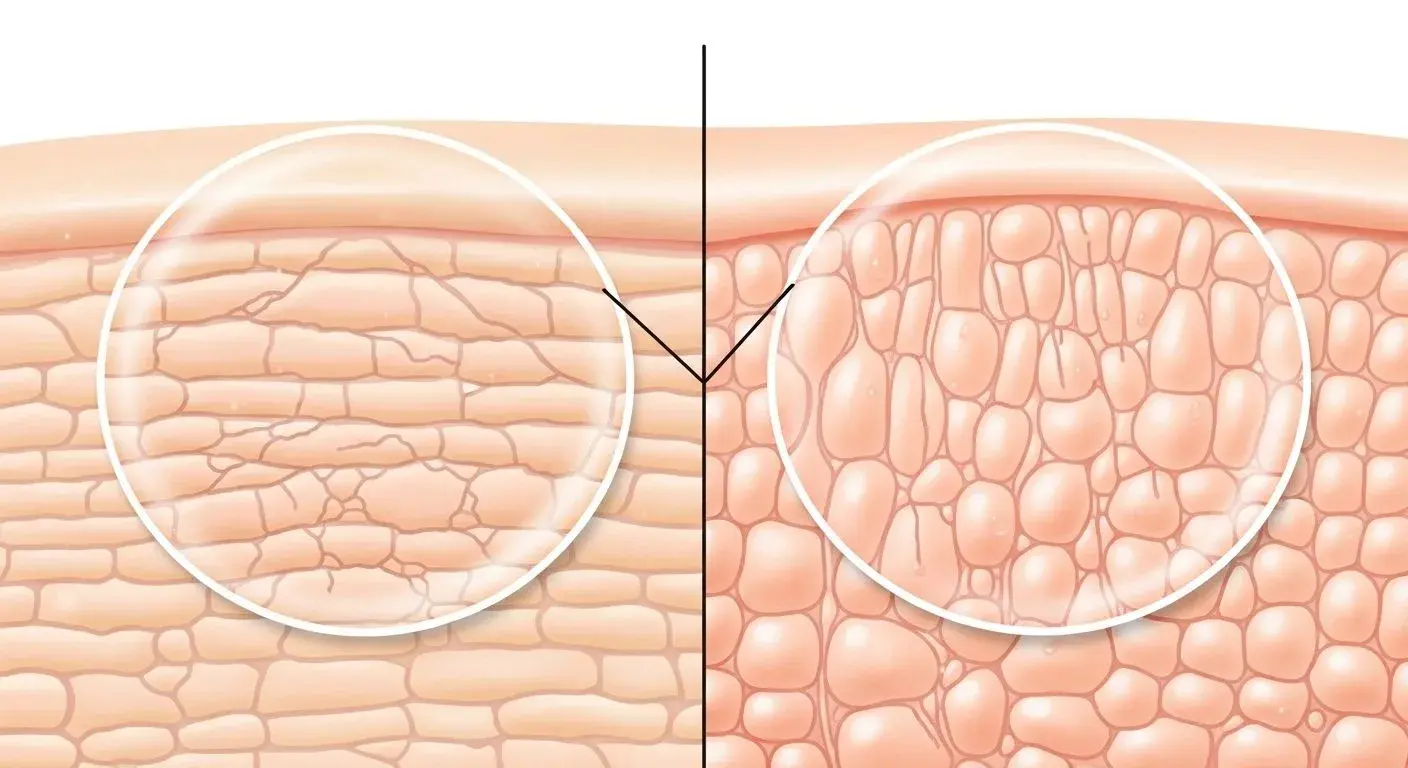
The years immediately following menopause represent the fastest period of age-related physical change in a woman's life. Estrogen is not just a reproductive hormone — it is a tissue-maintenance signal. When it drops sharply, bone turnover increases, collagen production falls by as much as 30% in the first five years, skin becomes thinner and less elastic, and metabolic rate slows as muscle mass declines. Understanding why aging accelerates is the first step to slowing it down strategically, rather than applying surface-level fixes that miss the underlying biology.
The changes are not uniform across all women or all body systems. Bone density loss is fastest in the first 2–3 years post-menopause, then plateaus. Skin aging is most visible around the face and neck where collagen density was already lower. Cardiovascular risk, which estrogen partially suppresses, begins to rise. Brain fog and sleep disruption — often dismissed as 'just aging' — are driven by the same hormonal shift and respond to the same interventions. Knowing which systems are most vulnerable at each stage allows for targeted action rather than general wellness gestures.
One important nuance: the speed of post-menopause aging is substantially influenced by what happened before menopause. Women who entered menopause with higher muscle mass, lower inflammation, and better sleep quality age more slowly afterward — meaning lifestyle investment during perimenopause pays compounding dividends. For a detailed look at how to protect skin specifically as hormones shift, see a complete guide to menopause skincare for hormonal changes.
Interventions That Actually Slow Post-Menopause Aging
The most evidence-backed anti-aging intervention for post-menopausal women remains resistance training. It directly counters sarcopenia (muscle loss), improves insulin sensitivity, supports bone density, and correlates with reduced all-cause mortality. The common misconception is that cardio is the priority — in fact, women who do only cardio after menopause often continue losing muscle mass despite being aerobically fit. Two to three sessions of progressive resistance training per week produces measurably different body composition outcomes than cardio-only approaches within 12 weeks.
For skin, the most effective topical approach is a combination of retinoids and broad-spectrum SPF 50. Tretinoin (prescription) and retinol (OTC) are the only topical ingredients with robust clinical evidence for stimulating collagen synthesis in post-menopausal skin. SPF is the single most effective anti-aging step because UV damage accounts for a large proportion of visible skin aging — and post-menopausal skin burns and damages more easily. Note the trade-off: retinoids cause initial irritation and peeling that deters many users within the first 4–6 weeks, precisely when they have not yet seen results. Starting at the lowest strength (0.025% tretinoin or 0.25% retinol) and applying every third night avoids this dropout point.
- Protein intake: Post-menopausal women require more dietary protein per kilogram of body weight to maintain muscle — research suggests 1.2–1.6g/kg/day, not the standard 0.8g/kg general recommendation.
- Sleep quality: Growth hormone — central to tissue repair — is released primarily during deep sleep. Menopause-related sleep disruption reduces this repair window significantly. Addressing sleep is an anti-aging strategy, not just a comfort one.
- Menopausal Hormone Therapy (MHT): When started within 10 years of menopause onset, MHT slows bone loss, supports skin collagen, and reduces cardiovascular risk in eligible women. It is not appropriate for everyone — the window, individual risk factors, and formulation all matter. Always assess with a menopause-specialist physician.
What Overpromises and What Gets Overlooked
A common contradiction in the anti-aging supplement space: collagen supplements are widely marketed for post-menopause skin, yet the evidence — while encouraging — is still preliminary for the specific context of estrogen-depleted tissue. Peptide collagens (specifically types I and III, hydrolyzed) show promise in trials, but they are not a substitute for retinoids or dietary protein. Women who take collagen supplements while avoiding retinoids and resistance training are optimizing a secondary input while neglecting primary ones.
What gets overlooked most consistently is chronic low-grade inflammation — sometimes called inflammaging. Post-menopausal estrogen loss removes an anti-inflammatory effect that estrogen previously provided. This baseline inflammation accelerates cellular aging across tissues. The interventions that most reduce inflammaging are not glamorous: consistent sleep, reduction of ultra-processed food, regular movement, and stress management. These work synergistically; no single supplement replaces the combined effect.
One often-missed overlap: itchy, reactive skin after menopause is frequently part of the same inflammation picture — not a separate condition. If you are experiencing unexplained skin sensitivity on the scalp or elsewhere, see why menopause causes itchy skin beyond the face and how to address it. Slowing aging after menopause is not about reversing biology — it is about removing the obstacles that cause biology to deteriorate faster than it needs to. The women who age best after menopause are not those who found a magic supplement; they are those who treated the systems that estrogen used to regulate and replaced that support through deliberate lifestyle and, where appropriate, medical intervention.
Disclaimer: This article is for informational purposes only and does not constitute medical advice. Consult a qualified healthcare provider before starting any new supplement, hormone therapy, or significant lifestyle intervention.